
In the intricate dance of filmmaking, where vision meets reality, creative conflicts are as inevitable as the rising sun. Directors, writers, producers, and a myriad of talented artists come together, each bringing their own dreams, ideas, and perspectives to the table. But what happens when these visions collide? How do filmmakers navigate the turbulent waters of creative disagreement to ensure a film not only reaches completion but resonates with audiences? This article delves into the art of resolving creative conflicts during the production process, exploring the delicate balance between collaboration and compromise that lies at the heart of cinematic creation.
Navigating Vision: Balancing Director and Producer Perspectives
In the filmmaking arena, the dance between directors and producers is a delicate one, requiring both collaboration and compromise. Directors often focus on the artistic elements, driven by a vision that paints the story with a unique brush. Producers, on the other hand, balance this creativity with practical constraints such as budget, schedule, and marketability. When these perspectives clash, the key is finding a harmonious blend that respects both viewpoints.
- Open Communication: Regular meetings and transparent dialogue help in aligning goals and addressing concerns before they escalate.
- Creative Compromise: Directors may need to adjust their vision to fit within budgetary limits, while producers might need to embrace unconventional ideas that could elevate the project.
- Shared Objectives: Establishing a common ground with a focus on the project’s success can bridge gaps and foster mutual understanding.
By valuing each other’s roles and contributions, directors and producers can transform potential conflicts into opportunities for innovation, crafting films that are both visionary and viable.
 Storytelling Techniques“>
The Art of Compromise: Collaborative Storytelling Techniques
In the dynamic world of filmmaking, creative conflicts are inevitable. These challenges, however, often lead to innovative solutions when addressed through collaborative storytelling techniques. At the heart of this process is the art of compromise, where directors, writers, and producers come together to weave a narrative that aligns with a unified vision. Successful teams prioritize open communication, allowing each member to express their perspectives while remaining receptive to others’ ideas.
- Active Listening: Encouraging an environment where all voices are heard ensures that unique ideas are considered, leading to richer storytelling.
- Flexible Storyboarding: Adaptable planning tools allow for creative adjustments without derailing the project timeline.
- Shared Vision Workshops: Regular sessions where team members revisit the core themes and goals of the film help maintain a cohesive direction.
By embracing these techniques, filmmakers transform potential conflicts into opportunities for growth, crafting stories that resonate deeply with audiences.

Communication Breakthroughs: Strategies for Resolving On-Set Disputes
In the dynamic environment of a film set, creative differences are inevitable. To transform potential conflicts into productive discussions, filmmakers employ several communication breakthroughs. One key strategy is the use of a neutral mediator. This could be a trusted crew member who helps facilitate dialogue, ensuring all voices are heard and respected. This approach minimizes emotional escalation and keeps the focus on finding a solution that aligns with the project’s vision.
Another effective tactic is organizing regular team check-ins. These sessions provide a structured space for team members to express concerns and brainstorm collaboratively. By fostering an atmosphere of openness, filmmakers can preemptively address issues before they evolve into larger disputes. Additionally, the implementation of visual aids, such as storyboards or mood boards, helps in aligning everyone’s creative expectations, making abstract ideas more tangible and less prone to misinterpretation.
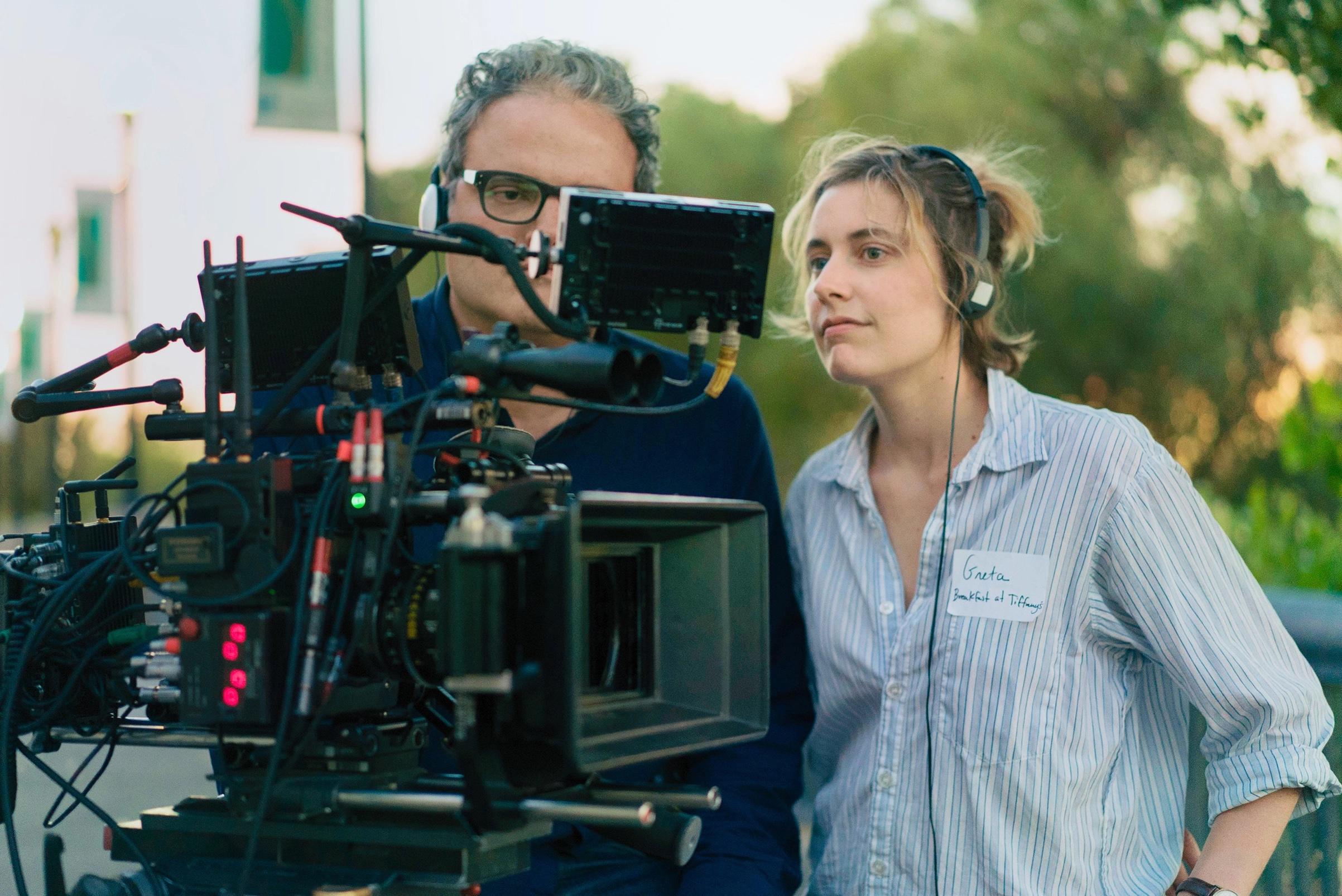
Building Bridges: Fostering a Culture of Creative Respect
In the dynamic world of filmmaking, creative conflicts are almost inevitable. However, the key to navigating these challenges lies in fostering a culture where diverse ideas are not only welcomed but respected. Open dialogue is crucial; encouraging team members to voice their opinions without fear of judgment creates an environment ripe for innovation. Directors and producers often hold brainstorming sessions where all ideas are put on the table, allowing for a free flow of creativity.
- Active Listening: Emphasizing the importance of truly hearing and considering each team member’s perspective.
- Compromise: Finding middle ground that respects the artistic vision of all parties involved.
- Role Clarity: Ensuring everyone understands their creative boundaries and responsibilities.
By integrating these practices, filmmakers can transform potential conflicts into opportunities for growth, ultimately leading to a more cohesive and innovative production process.


