
In the dim glow of a theater, as the screen flickers to life, audiences are whisked away to realms once confined to the imagination. Over the past decade, the magic behind these cinematic journeys has undergone a breathtaking transformation. Special effects, the invisible architects of our wildest dreams, have evolved with unprecedented speed, reshaping not only the landscapes of our favorite films but also the very fabric of storytelling itself. From the subtle artistry of digital touch-ups to the grand spectacle of CGI worlds, this article delves into the captivating evolution of special effects, exploring how technological advancements have redefined the boundaries of visual storytelling. Join us as we unravel the threads of innovation that have stitched together the past ten years of cinematic wonder.
Crafting Reality: The Rise of Real-Time Rendering
The past decade has witnessed a transformative shift in how visual effects are conceived and executed, thanks to the advancements in real-time rendering technology. No longer confined to post-production stages, filmmakers and creators are harnessing the power of real-time engines to visualize and adjust scenes on the fly. This revolution is powered by game engines like Unreal and Unity, which have expanded beyond gaming to become integral tools in filmmaking and animation.
Key benefits of this evolution include:
- Instant Feedback: Creators can see changes in lighting, textures, and models immediately, allowing for more intuitive decision-making.
- Cost Efficiency: By reducing the time spent on rendering, production costs can be significantly lowered.
- Enhanced Collaboration: Teams can work simultaneously on different aspects of a scene, fostering creativity and innovation.
Real-time rendering has not only democratized access to high-quality visual effects but also pushed the boundaries of storytelling, making it a cornerstone of modern special effects production.
Beyond the Green Screen: Innovations in Virtual Production
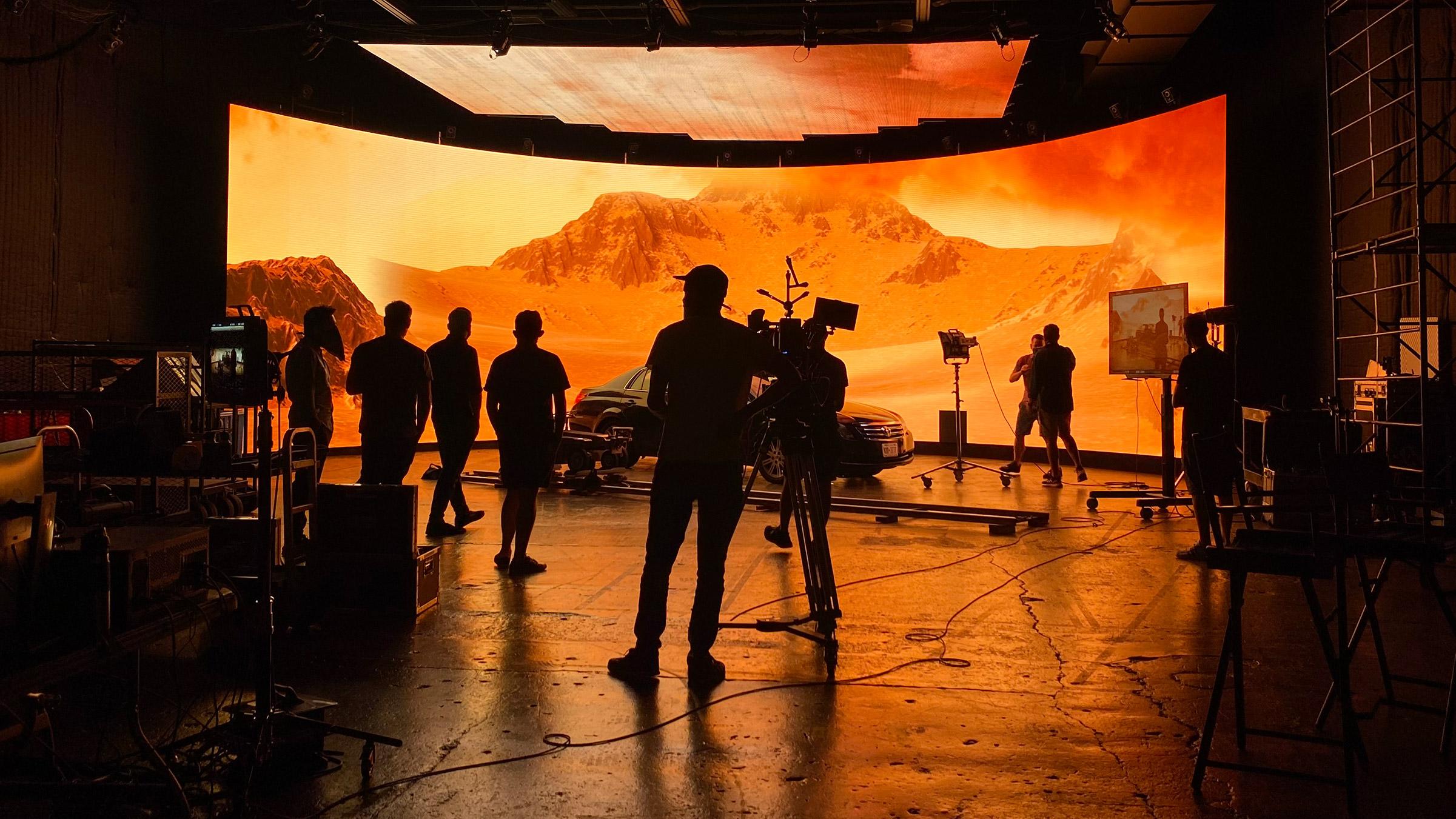
In the past decade, the realm of special effects has undergone a revolutionary transformation, thanks to the integration of virtual production techniques. Traditional green screens are now giving way to dynamic LED walls and real-time rendering, allowing filmmakers to craft immersive worlds with unprecedented realism. This shift has been propelled by advancements in gaming engines like Unreal Engine, which facilitate the creation of highly detailed environments that actors can interact with in real-time. The result is a seamless blend of the physical and digital, offering filmmakers greater creative freedom and efficiency.
- Real-time Collaboration: Directors, cinematographers, and visual effects teams can now work simultaneously on set, making adjustments on the fly.
- Cost Efficiency: By reducing the need for location shoots and extensive post-production work, virtual production cuts down on both time and budget.
- Enhanced Storytelling: Filmmakers can visualize complex scenes in real-time, enhancing narrative possibilities and ensuring a cohesive vision from start to finish.
The Art of Illusion: Advancements in CGI Techniques
In recent years, computer-generated imagery has transformed from mere visual enhancements to breathtaking spectacles that blur the lines between reality and fantasy. This evolution is driven by significant advancements in technology and artistry, allowing filmmakers to craft worlds with unprecedented detail and realism. Real-time rendering has become a game-changer, enabling artists to see changes instantly and make quick adjustments, streamlining the creative process. Deep learning and AI have further revolutionized CGI by automating complex animations and creating more lifelike characters.
- Photorealistic Textures: Enhanced algorithms now simulate natural materials with stunning accuracy, from the sheen of metal to the translucence of skin.
- Volumetric Effects: Advanced simulations produce realistic smoke, fire, and fog, adding depth and dynamism to scenes.
- Virtual Production: The fusion of CGI with real-time LED screens, as seen in productions like “The Mandalorian,” creates immersive environments that actors can interact with.
These innovations are not just technical feats; they represent a new era of storytelling where imagination is the only limit.

Future-Proofing Effects: Embracing AI and Machine Learning
As the digital landscape transforms, the integration of AI and Machine Learning into special effects has become a pivotal shift in the industry. These technologies are redefining the boundaries of creativity and efficiency, offering filmmakers unprecedented tools to craft immersive worlds. With AI, the process of rendering complex visual effects is accelerated, enabling artists to focus more on innovation rather than tedious manual tasks. Machine Learning algorithms, on the other hand, are adept at analyzing vast datasets, allowing for the creation of hyper-realistic simulations that were once unimaginable.
- Automated Rendering: AI optimizes rendering processes, saving time and resources.
- Enhanced Realism: Machine Learning refines texture and lighting for lifelike visuals.
- Creative Freedom: Artists can experiment with new ideas, liberated from technical constraints.
These advancements not only streamline production but also open new avenues for storytelling. By harnessing AI and Machine Learning, creators are not just keeping up with the times—they’re setting the stage for the future of cinematic experiences.


