
In the shimmering realm of cinema, where imagination dances with reality, CGI—or computer-generated imagery—has become the alchemist’s tool, transforming dreams into visual spectacles. From the humble beginnings of pixelated landscapes to the breathtaking vistas of today’s blockbusters, CGI has continuously redefined the boundaries of storytelling. As we stand on the cusp of new technological horizons, the question beckons: where is this digital odyssey leading us? This exploration delves into the evolution of CGI, tracing its transformative journey and pondering the future of visual artistry in film.
From Pixels to Perfection: Tracing CGIs Cinematic Journey
The journey of computer-generated imagery in cinema is a tapestry woven with innovation and creativity. From the early days of rudimentary wireframe models to today’s breathtaking photorealism, CGI has transformed the cinematic landscape. The pioneering efforts of films like Tron and Jurassic Park opened the floodgates for what was possible, pushing boundaries and redefining storytelling.
- Technical Evolution: Advances in rendering technology and real-time graphics have enabled filmmakers to create worlds previously unimaginable.
- Artistic Expression: Artists now wield CGI as a powerful tool, crafting visually stunning narratives that blend reality with fantasy.
- Immersive Experiences: The rise of virtual reality and augmented reality hints at a future where audiences become participants in the story.
As we look to the horizon, the potential of CGI seems boundless, promising even more sophisticated and immersive experiences. The cinematic journey from pixels to perfection continues to captivate, inviting us to imagine what lies beyond the screen.
The Technological Leap: How Advances Are Shaping Storytelling
In recent years, the cinematic landscape has undergone a profound transformation thanks to the rapid advancement of CGI technology. This evolution is not just about creating visually stunning spectacles; it’s about redefining the very essence of storytelling. Filmmakers are no longer confined by the physical limitations of the real world, allowing them to craft immersive narratives that transcend traditional boundaries. From the intricacies of facial expressions to entire fantastical realms, CGI is enabling stories to unfold in ways previously unimaginable.
- Virtual Reality Integration: As VR technology becomes more sophisticated, CGI is being used to create fully immersive environments that allow audiences to step inside the story.
- AI-Driven Animation: Artificial intelligence is beginning to play a role in automating and enhancing CGI processes, leading to more realistic and complex animations.
- Real-Time Rendering: This advancement is revolutionizing the production process, allowing directors to see CGI elements in real-time, thus enhancing creativity and decision-making on set.
These innovations are not just shaping the way stories are told, but are also broadening the horizons of what stories can be told. As CGI continues to evolve, so too will the narratives it brings to life, offering audiences a glimpse into worlds both familiar and fantastical.
Balancing Act: The Art of Blending CGI with Practical Effects
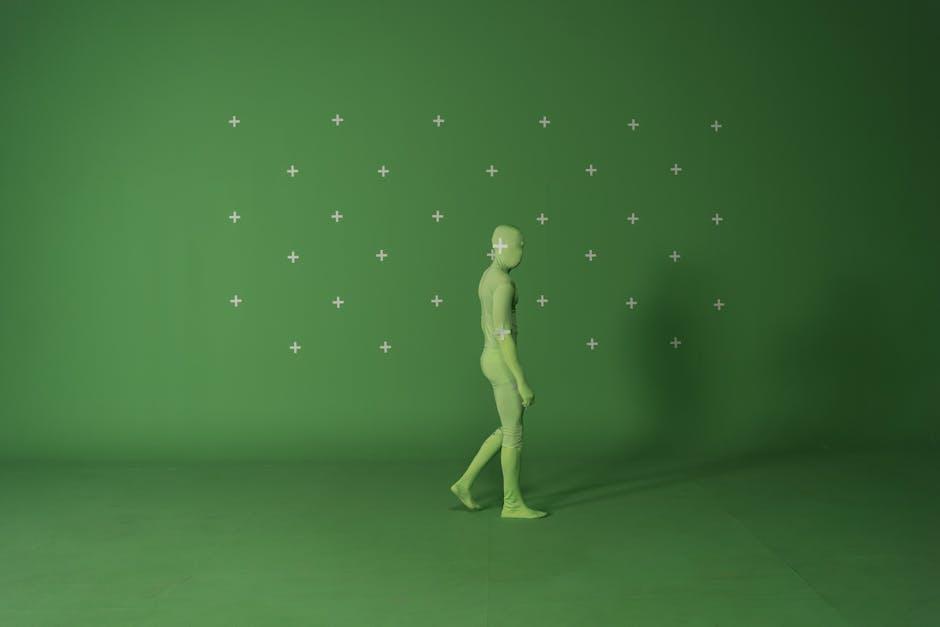
In the ever-evolving world of cinema, the delicate dance between CGI and practical effects has become an essential craft. Filmmakers are increasingly tasked with finding the perfect equilibrium, creating visual masterpieces that resonate with audiences. CGI offers limitless possibilities, crafting worlds and creatures beyond imagination, while practical effects ground these creations, providing tangible reality that viewers can feel.
To achieve this balance, directors and special effects teams often employ a combination of techniques:
- Hybrid Techniques: Combining CGI with miniatures or animatronics to add depth and realism.
- Seamless Integration: Ensuring CGI complements rather than overshadows practical elements.
- Emotional Impact: Utilizing practical effects for close-ups to evoke genuine reactions from actors.
As technology advances, this fusion will continue to evolve, offering filmmakers new tools to captivate and inspire.
Future Horizons: Navigating the Ethical and Creative Challenges of CGI
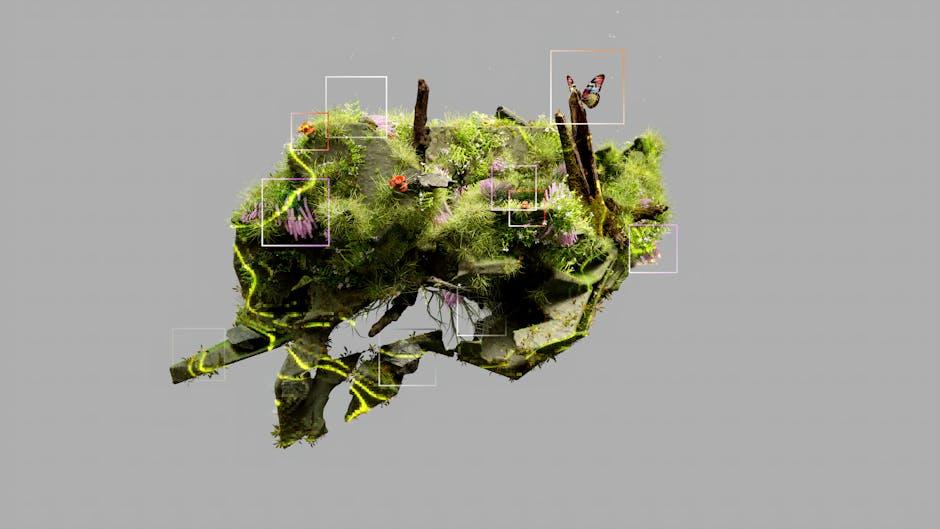
As we peer into the possibilities that lie ahead for CGI in cinema, the intersection of ethics and creativity emerges as a compelling frontier. The rapid advancements in technology present filmmakers with both exhilarating opportunities and complex moral dilemmas. Hyper-realistic digital characters and environments have the power to transform storytelling, yet they also challenge traditional notions of authenticity and authorship.
- Authenticity vs. Manipulation: The ability to seamlessly blend CGI with live-action raises questions about the authenticity of performances and the potential for digital manipulation.
- Creative Freedom: CGI offers unparalleled creative possibilities, enabling filmmakers to visualize worlds previously constrained by physical limitations.
- Ethical Considerations: As CGI characters become indistinguishable from human actors, ethical concerns about consent, representation, and intellectual property gain prominence.
Balancing these elements requires a nuanced approach, where innovation is harmonized with a deep respect for the art form’s ethical dimensions. As we navigate these challenges, the future of CGI promises not only to redefine visual storytelling but also to reshape the moral landscape of cinema.


