
In the dimly lit corridors of post-production studios, where creativity meets precision, a silent revolution is unfolding. Artificial Intelligence, once the realm of science fiction, now stands as a formidable ally to editors, reshaping the landscape of film and media. This technological evolution whispers promises of efficiency and innovation, challenging traditional boundaries and redefining the art of storytelling. As pixels dance and timelines shift, we delve into the profound impact AI is having on post-production editing, exploring its potential to transform the craft while pondering the delicate balance between machine logic and human intuition.
Revolutionizing Workflow Efficiency with AI Tools
In the realm of post-production editing, AI tools are transforming traditional workflows into streamlined processes that boost efficiency and creativity. These intelligent systems analyze vast amounts of data with remarkable speed, allowing editors to focus more on the art of storytelling rather than the minutiae of technical tasks. Machine learning algorithms can automatically tag and sort footage, reducing hours of manual labor. Furthermore, AI-powered software can enhance color correction and audio balancing, ensuring a seamless final product with minimal human intervention.
- Automated Transcription: Instantly convert spoken words into text, simplifying the editing of interviews and dialogue.
- Smart Clip Selection: AI can recommend the best clips based on scene recognition, saving editors from sifting through hours of footage.
- Enhanced Visual Effects: With AI, creating and integrating visual effects becomes more intuitive and less time-consuming.
These advancements not only expedite the editing process but also open up new avenues for creativity, enabling editors to experiment with innovative techniques without being bogged down by routine tasks.
Enhancing Creative Decisions through Intelligent Automation
In the dynamic realm of post-production editing, the fusion of artificial intelligence with creative processes is revolutionizing how editors make decisions. AI-driven tools now empower editors to enhance their storytelling by offering intelligent automation capabilities that streamline workflows and elevate creative choices. These tools analyze vast amounts of data, providing insights that were previously inaccessible, allowing for a more informed and intuitive editing process.
- Automated Scene Detection: AI can quickly identify scene changes, making it easier for editors to organize and navigate large volumes of footage.
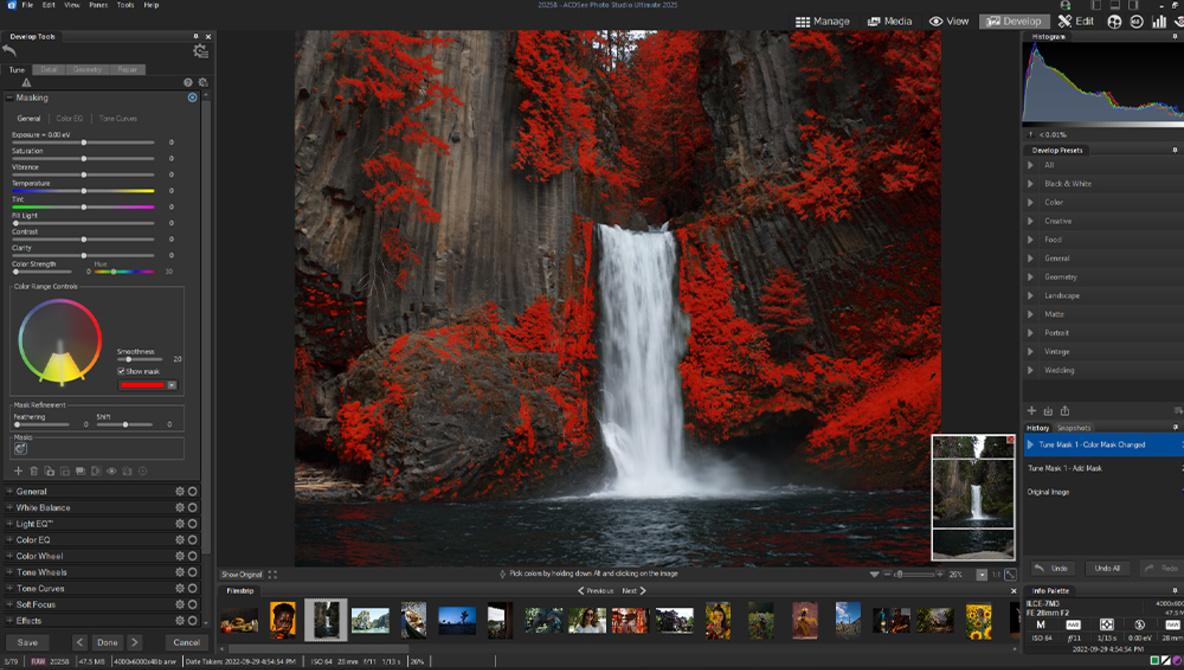
- Color Correction: Intelligent algorithms can suggest color palettes that enhance mood and tone, aligning with the creative vision.
- Sound Editing: AI tools can automatically remove unwanted noise, balance audio levels, and suggest sound effects that complement the narrative.
These advancements not only speed up the editing process but also open up new avenues for creativity, allowing editors to focus on the artistic aspects rather than getting bogged down by repetitive tasks. By harnessing AI, editors can experiment more freely, push boundaries, and ultimately craft more compelling and immersive stories.
 Ethical Considerations in AI-Driven Editing”>
Navigating Ethical Considerations in AI-Driven Editing
As artificial intelligence becomes more integrated into post-production workflows, editors face a myriad of ethical dilemmas that demand careful consideration. One primary concern is the potential for bias in AI algorithms. Since these systems are trained on existing datasets, they may inadvertently perpetuate or even amplify existing biases. Editors must ensure that the AI tools they use are developed with fairness and inclusivity in mind.
Another crucial aspect is the authenticity of edited content. AI’s ability to seamlessly alter images and audio raises questions about the integrity of the final product. Editors should weigh the artistic benefits against the ethical implications of modifying reality. Considerations include:
- Transparency: Clearly disclosing when AI tools have been used in the editing process.
- Consent: Ensuring that all parties involved are aware of and agree to the use of AI editing.
- Accountability: Taking responsibility for the outcomes of AI-driven edits, particularly in sensitive or impactful projects.
By thoughtfully addressing these ethical challenges, editors can harness the power of AI while upholding their commitment to integrity and trust.

Strategic Recommendations for Integrating AI in Post-Production
To successfully integrate AI into post-production workflows, a strategic approach is essential. Begin by identifying specific tasks where AI can enhance efficiency and creativity. These might include:
- Automated Editing: Leverage AI tools to handle repetitive tasks such as sorting and tagging footage, allowing editors to focus on storytelling.
- Enhanced Visual Effects: Use AI for tasks like rotoscoping and color correction, speeding up processes that traditionally require significant manual effort.
Collaboration is key when introducing AI technologies. Ensure that team members are trained and comfortable with new tools. This might involve workshops or partnering with tech providers for seamless integration. Additionally, maintain a feedback loop to continually refine AI applications, ensuring they align with creative goals and technical needs.


