
In the ever-evolving landscape of cinematic storytelling, a new player is stepping onto the stage, poised to revolutionize the way films are crafted and experienced. Augmented Reality (AR), once the realm of futuristic fantasies, is now infiltrating the corridors of Hollywood and beyond, offering filmmakers an unprecedented toolkit for creativity. Imagine a world where directors and producers can visualize digital elements within real-world environments, actors interact with characters not yet born, and audiences engage with narratives in ways previously unimaginable. This article explores how AR could redefine the filmmaking process, blending the boundaries between the virtual and the tangible, and opening up a universe of possibilities for the next generation of cinema.
Reimagining Cinematic Storytelling with Augmented Reality
Imagine a film where the boundaries between the audience and the screen dissolve, creating a dynamic, interactive experience. Augmented Reality (AR) is poised to transform traditional cinematic storytelling, offering filmmakers an innovative toolkit to craft immersive narratives. By overlaying digital elements onto the physical world, AR can enrich storytelling, allowing viewers to engage with characters and environments in unprecedented ways.
Key possibilities include:
- Interactive Plotlines: Audiences can influence story outcomes by making choices that affect the narrative arc.
- Enhanced Visual Effects: Seamless integration of CGI with real-world settings to create breathtaking, lifelike scenes.
- Layered Storytelling: Multiple narrative layers that viewers can explore, providing a deeper understanding of the plot.
These advancements could redefine the roles of both the storyteller and the audience, making each movie experience a unique journey tailored to individual preferences.
Innovative Tools and Techniques for Filmmakers
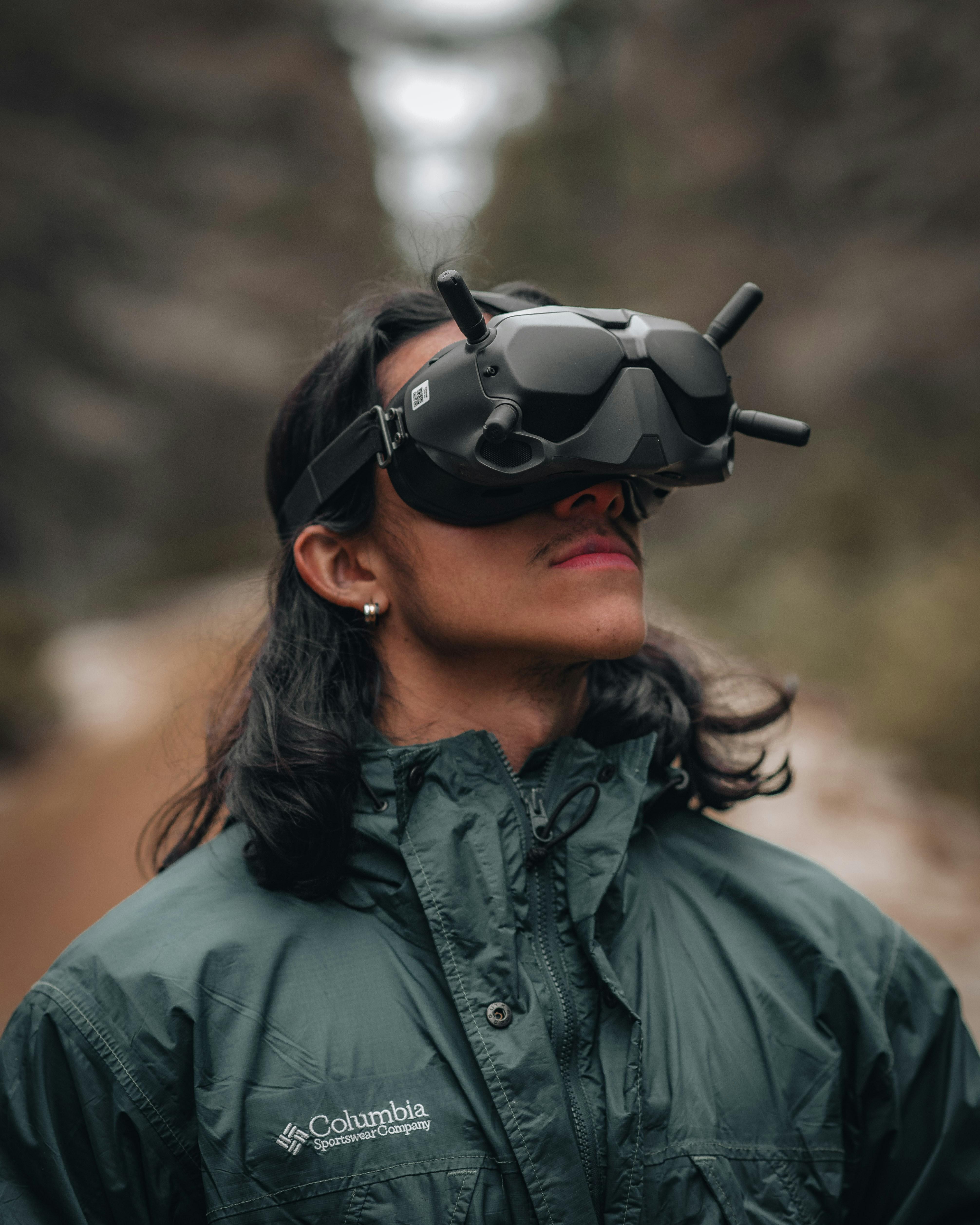
Augmented Reality (AR) is reshaping the filmmaking landscape by introducing immersive storytelling and enhancing the creative process. With AR, filmmakers can overlay digital elements onto real-world environments, allowing for a seamless blend of physical and virtual worlds. This technology not only opens up new avenues for visual storytelling but also enables directors to visualize complex scenes in real-time, reducing the need for extensive post-production adjustments.
- Pre-visualization: Directors can now view a scene with digital elements integrated, helping them make informed decisions on set.
- Location Scouting: Virtual overlays can simulate how a scene will look in different environments, aiding in selecting the perfect backdrop.
- Interactive Set Design: AR allows for dynamic set modifications, where props and backgrounds can be adjusted on the fly.
- Enhanced Actor Performances: Actors can interact with AR elements, offering a more genuine reaction to CGI components.
By leveraging these innovative tools, filmmakers can push the boundaries of creativity, crafting visually stunning and engaging narratives that captivate audiences like never before.

Augmented Realitys Role in Enhancing Production Design
In the realm of production design, augmented reality (AR) is revolutionizing how filmmakers conceptualize and execute their visions. AR technology offers a dynamic layer of interaction that allows designers to visualize and manipulate digital elements within physical spaces. This innovation not only enhances creativity but also streamlines the entire design process. Imagine walking through a film set where digital overlays bring concept art to life in real-time, allowing for immediate adjustments and collaboration among the crew.
- Enhanced Visualization: Designers can project set designs and props into real-world environments, providing a clear vision of the final scene.
- Interactive Collaboration: Teams can work together in a shared AR space, enabling seamless communication and decision-making.
- Cost Efficiency: By visualizing changes in real-time, filmmakers can reduce the need for physical prototypes, saving both time and resources.
As AR technology continues to evolve, its role in production design is set to expand, offering filmmakers unprecedented tools to craft more immersive and visually stunning worlds.
Recommendations for Integrating AR into Filmmaking Practices
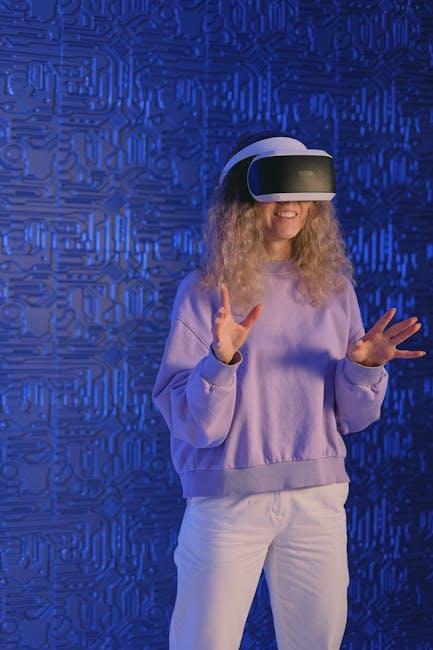
To successfully incorporate augmented reality into filmmaking, consider the following strategies:
- Embrace Pre-Visualization: Utilize AR tools during the pre-production phase to visualize scenes in real-time. This can help directors and cinematographers plan shots more effectively and ensure creative alignment before filming begins.
- Invest in Training: Provide training for your crew to familiarize them with AR technology. Understanding the nuances of AR can enhance collaboration and innovation on set.
- Collaborate with Tech Experts: Work closely with AR developers and engineers to tailor technology solutions that fit your specific project needs. This partnership can lead to groundbreaking storytelling techniques.
- Focus on Storytelling: While AR offers dazzling visuals, ensure it serves the narrative. Prioritize story-driven use of AR to enhance rather than overshadow the plot.
By thoughtfully integrating AR, filmmakers can unlock new creative dimensions and redefine the cinematic experience.


