
In the realm of modern cinema, few directors command the kind of awe and intrigue as Christopher Nolan. Known for weaving intricate narratives with breathtaking visuals, Nolan’s films are a testament to the power of storytelling through the lens. “” delves into the enigmatic world of this visionary director, unraveling the techniques and philosophies that transform his cinematic dreams into reality. From the labyrinthine twists of “Inception” to the stark realism of “Dunkirk,” we explore the meticulous craftsmanship and innovative approaches that define Nolan’s iconic style, offering a glimpse into the magic that unfolds behind the camera.
Crafting Cinematic Realities: Nolans Unique Visual Style
Christopher Nolan’s films are renowned for their distinctive visual storytelling, achieved through a combination of innovative techniques and meticulous attention to detail. His use of practical effects over CGI creates a tangible, immersive experience, allowing audiences to feel the weight of every scene. Nolan’s preference for shooting on film, particularly IMAX, enhances the grandeur and depth of his cinematic worlds, bringing a level of clarity and realism that digital formats often lack.
- Non-linear Narratives: Nolan’s visual style often complements his complex storytelling, using carefully crafted sequences to weave intricate plots.
- Natural Lighting: His commitment to authenticity extends to lighting choices, often favoring natural sources to add realism and texture.
- In-camera Effects: By prioritizing practical effects, Nolan maintains a sense of authenticity that engages viewers on a deeper level.
These elements, combined with his collaboration with talented cinematographers like Wally Pfister and Hoyte van Hoytema, create a visual language that is unmistakably Nolan. His ability to balance spectacle with substance makes each film not just a story, but a fully realized universe.

The Art of IMAX: Elevating the Viewing Experience
Christopher Nolan’s films are renowned for their breathtaking visuals, and much of this can be attributed to his masterful use of IMAX technology. By capturing scenes with IMAX cameras, Nolan offers audiences an immersive experience that standard formats simply can’t match. This format not only enhances the clarity and depth of each frame but also allows for an expansive field of view that envelops viewers into the narrative.
- Enhanced Resolution: IMAX cameras capture images at a resolution that is up to ten times greater than traditional film, resulting in unparalleled detail and sharpness.
- Aspect Ratio: The taller aspect ratio of IMAX screens complements Nolan’s storytelling by providing a more vertical space, perfect for his iconic sweeping landscapes and towering cityscapes.
- Immersive Sound: Coupled with its visual prowess, IMAX’s custom sound systems create a multi-dimensional audio experience that envelops the audience, heightening the emotional impact.
By seamlessly integrating these elements, Nolan crafts a cinematic experience that is both artistically profound and technically sophisticated, setting a new standard for visual storytelling.
Mastering Light and Shadow: Techniques in Nolans Films
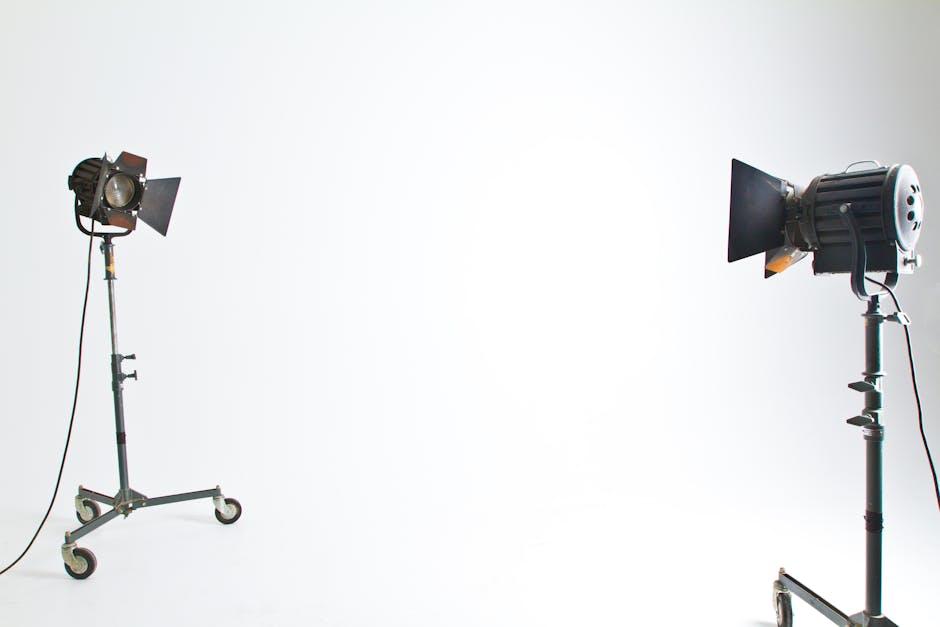
Christopher Nolan’s films are a masterclass in the delicate dance between light and shadow, a technique that enhances narrative depth and visual intrigue. His use of chiaroscuro—contrasting light and dark—adds layers to storytelling, creating atmospheres that resonate with audiences on a subconscious level. Nolan employs natural lighting to ground his films in reality, often opting for practical effects over CGI to achieve authenticity. In “Dunkirk,” for example, the stark, almost oppressive sunlight underscores the tension and desperation of the soldiers stranded on the beach.
- Silhouettes: Nolan frequently uses silhouettes to convey mystery and emotion, as seen in “The Dark Knight” where Batman is often framed against the city skyline, highlighting his role as both protector and outsider.
- Reflections: Mirrors and reflections are another technique used to explore duality and introspection, particularly evident in “Inception” where dreamscapes often blur the lines between perception and reality.
- Shadow Play: Shadows are strategically employed to symbolize inner turmoil or impending danger, as demonstrated in “Memento,” where fragmented memories are mirrored by fractured, shadowy visuals.
By meticulously crafting scenes that play with light and shadow, Nolan not only captivates visually but also enriches the thematic depth of his films, making them enduring visual masterpieces.
The Power of Practical Effects: Creating Authentic Visuals
Christopher Nolan is renowned for his commitment to authenticity, often opting for practical effects over CGI to craft visuals that resonate with viewers on a deeper level. By utilizing real locations, intricate set designs, and tangible props, Nolan ensures that his films possess a tangible realism. This dedication can be seen in films like “Inception,” where a rotating hallway was constructed to create the zero-gravity fight scene, or in “The Dark Knight,” where an actual truck flip was orchestrated on the streets of Chicago.
- Real Locations: Filming in authentic settings enhances the story’s believability and depth.
- Intricate Set Designs: Meticulously crafted sets allow for more immersive storytelling.
- Tangible Props: Using real objects helps actors engage more fully with their roles.
By prioritizing practical effects, Nolan not only captures the audience’s imagination but also honors the tradition of filmmaking as a craft. This approach results in visuals that are not just seen, but felt, offering an experience that digital effects alone often struggle to replicate.


