
In the ever-evolving realm of film and television, where every frame is meticulously crafted to captivate and immerse, High Dynamic Range (HDR) technology has emerged as a transformative force. By expanding the spectrum of colors and contrast, HDR breathes new life into visual storytelling, offering filmmakers a palette as vivid and dynamic as their imaginations. This article delves into the pivotal role HDR plays in enhancing visual effects and cinematography, exploring how it reshapes the boundaries of what we perceive on screen. From the dazzling glow of cityscapes to the subtle play of shadows, HDR is redefining our cinematic experience, one pixel at a time.
Unlocking the Spectrum: How HDR Transforms Cinematic Imagery
The magic of High Dynamic Range lies in its ability to capture and display a wider range of colors and brightness levels than ever before. This transformative technology allows filmmakers to paint with a broader palette, resulting in visuals that are not only more vibrant but also more true to life. HDR enhances the depth and richness of each frame, making shadows more nuanced and highlights more striking. This is particularly impactful in genres like fantasy and science fiction, where the visual storytelling can fully embrace the surreal and the sublime.
With HDR, filmmakers can harness a number of benefits, such as:
- Enhanced Color Accuracy: Reds, greens, and blues appear more vivid, allowing for more precise artistic expression.
- Improved Contrast: Dark scenes reveal intricate details without losing the moodiness, while bright scenes dazzle without washing out.
- Greater Realism: Viewers experience visuals closer to what the human eye perceives, creating a more immersive experience.
By unlocking the full spectrum, HDR not only elevates the visual quality but also enriches the emotional impact of a film, bringing stories to life in a way that captivates and resonates with audiences.
Crafting Realism: The Art of HDR in Visual Storytelling
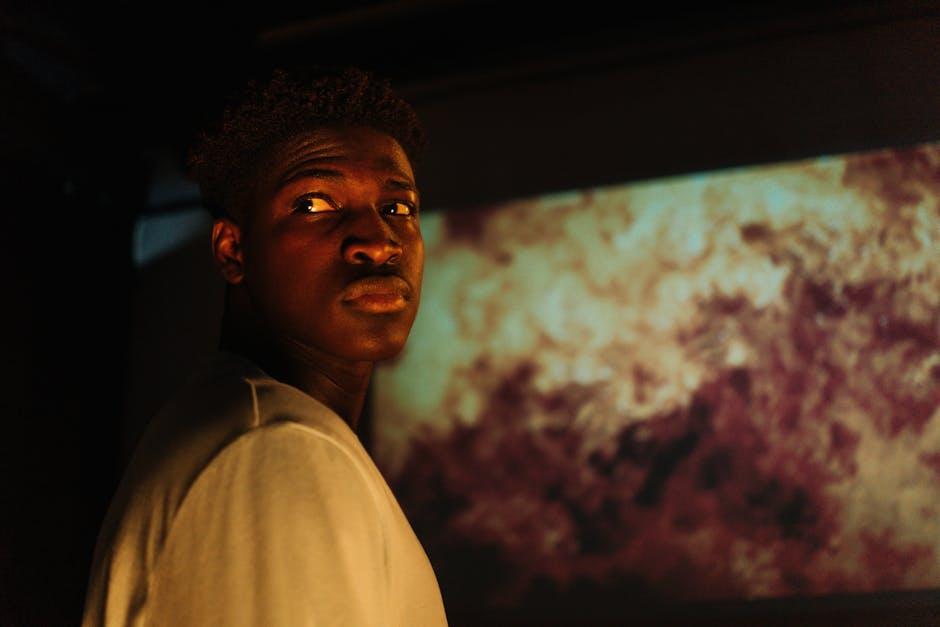
In the realm of visual storytelling, High Dynamic Range (HDR) serves as a powerful tool for crafting realism. It enhances the dynamic range of images, allowing filmmakers to capture scenes with striking contrast and vivid detail. This technique is crucial in bringing out the nuances of light and shadow, essential for creating lifelike imagery. By expanding the range of luminance levels, HDR enables storytellers to convey emotions more effectively, making every scene resonate with authenticity.
Key benefits of using HDR in visual effects and cinematography include:
- Enhanced Contrast: Achieves deeper blacks and brighter whites, enriching the visual texture.
- Color Accuracy: Renders colors with greater precision, capturing the subtlety of real-world hues.
- Immersive Experience: Engages viewers by creating a more realistic and immersive visual environment.
- Detail Preservation: Maintains intricate details in both highlights and shadows, offering a comprehensive visual narrative.

Balancing Brilliance: Techniques for Effective HDR Integration
Incorporating HDR into visual effects and cinematography requires a delicate touch to ensure that the enhanced dynamic range serves the story rather than overwhelming it. One key technique is to maintain color consistency across scenes. This involves matching HDR-enhanced shots with non-HDR footage, ensuring that the transition feels seamless to the viewer. Filmmakers often employ color grading tools to balance the intensity of HDR, preventing any single element from dominating the frame.
Another effective approach is to use HDR selectively, focusing on scenes where it adds the most value. This might include moments with complex lighting conditions or scenes that demand heightened emotional impact. Consider these techniques for successful HDR integration:
- Layered Lighting: Utilize HDR to emphasize layers of light and shadow, enhancing depth and realism.
- Controlled Highlights: Keep highlights under control to avoid distraction, using HDR to enhance rather than overpower.
- Subtle Enhancements: Employ HDR for subtle improvements in texture and detail, rather than dramatic shifts.
By carefully balancing these elements, HDR becomes a powerful tool that enhances the cinematic experience without overshadowing the narrative.
Guidelines for Filmmakers: Maximizing HDRs Potential in Production
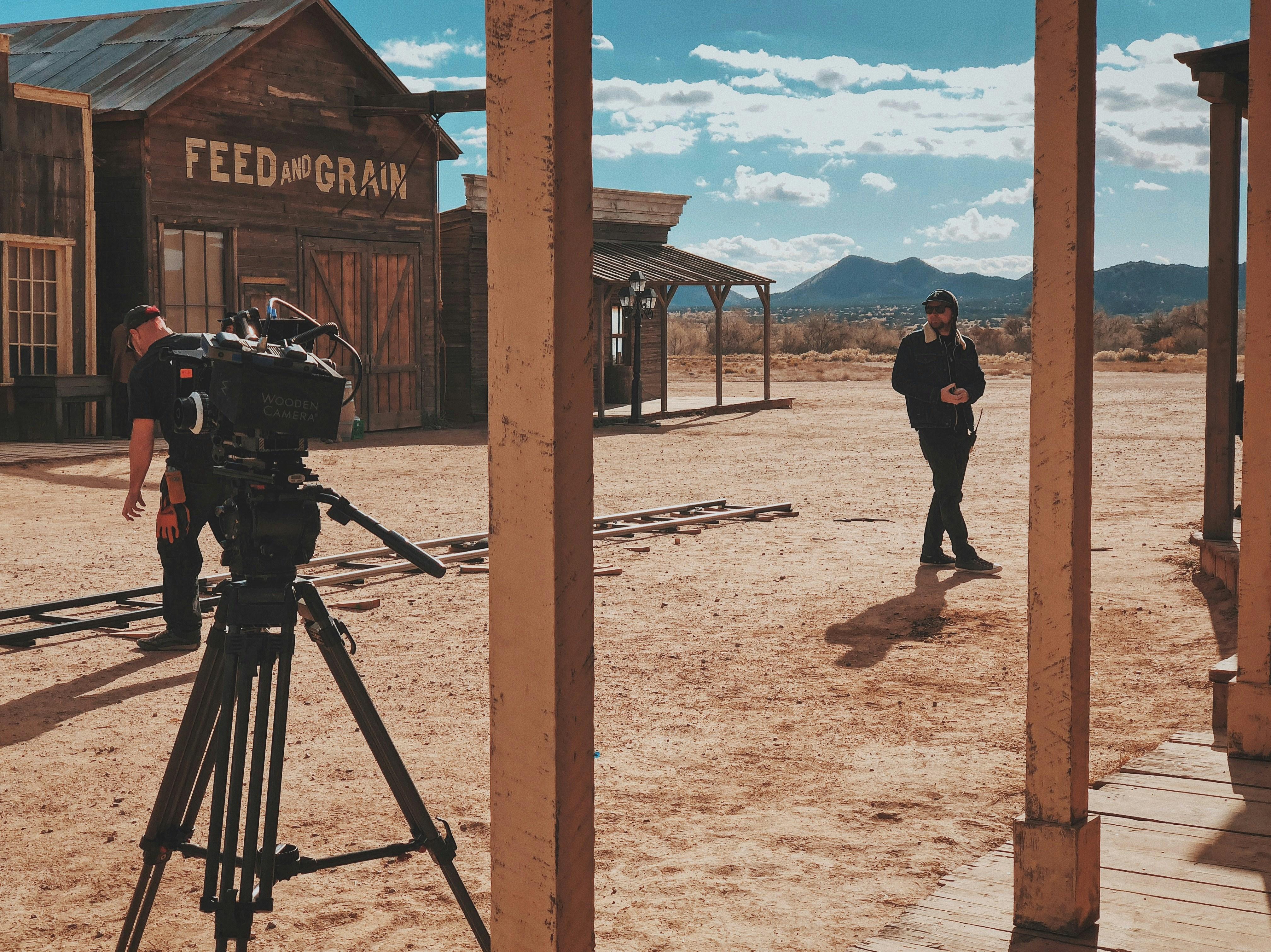
To fully harness the transformative power of HDR in filmmaking, it’s crucial to adhere to certain guidelines that ensure both the technical and artistic aspects are optimally utilized. Start by investing in high-quality cameras and lenses that are capable of capturing the extensive dynamic range HDR demands. Pre-production planning should incorporate considerations for lighting and color grading, as these elements are pivotal in achieving the rich contrast and vibrant colors HDR is known for.
- Lighting Techniques: Utilize natural light sources and high-contrast scenes to accentuate depth and dimension.
- Color Grading: Collaborate with colorists to ensure the final output maintains the integrity of the HDR visuals.
- Monitor Calibration: Ensure all monitors used in production and post-production are properly calibrated to reflect true HDR quality.
By following these guidelines, filmmakers can maximize HDR’s potential, creating visually stunning and immersive experiences that captivate audiences.


