
In the dim glow of a film set, where imagination meets reality, costumes serve as silent storytellers. They whisper secrets of character, era, and emotion, weaving a visual tapestry that draws audiences into the cinematic world. ”” peels back the curtain on this intricate craft, exploring how designers transform mere fabric into powerful symbols of identity and narrative. From initial sketches to the final stitch, each costume is a journey of creativity and collaboration, shaping the films that captivate our hearts and minds. Join us as we delve into the art and alchemy behind these unforgettable ensembles.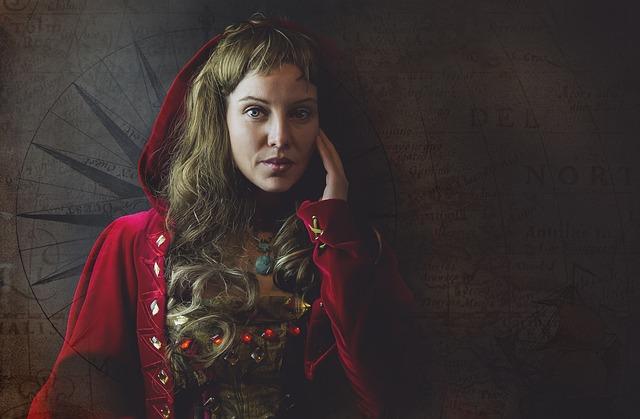
Crafting a Vision: The Art of Costume Design
In the world of film, creating unforgettable costumes requires a blend of creativity, research, and collaboration. Costume designers embark on a journey to translate a character’s essence into wearable art. This process begins with an in-depth analysis of the script, diving into the nuances of each character’s personality, background, and evolution. Designers then sketch their initial concepts, drawing inspiration from historical contexts, cultural influences, and the film’s visual style.
- Research: Delving into the era, societal norms, and fabric technologies relevant to the film’s setting.
- Collaboration: Engaging with directors, actors, and production teams to ensure cohesion and authenticity.
- Iteration: Refining designs through fittings and adjustments, allowing costumes to seamlessly blend with the narrative.
Ultimately, the art of costume design lies in its ability to encapsulate a story within each garment, transforming fabric and thread into symbols of identity and emotion.

From Sketch to Screen: The Journey of Fabric and Form
The creation of iconic film costumes is a meticulous journey, blending artistic vision with technical prowess. Conceptualization begins with a designer’s sketch, capturing the essence of a character. These initial drawings are then transformed into detailed blueprints, considering factors like movement, lighting, and historical accuracy. Fabric selection plays a crucial role, where texture and color are chosen to complement the narrative and enhance the character’s presence on screen.
- Pattern Making: Translating sketches into wearable art involves crafting precise patterns.
- Prototyping: Initial prototypes are sewn, allowing for adjustments and perfecting the fit.
- Final Construction: Skilled artisans bring the design to life, ensuring every stitch aligns with the vision.
- Fittings: Multiple fittings with actors ensure comfort and authenticity, often requiring last-minute tweaks.
Throughout this process, collaboration between designers, directors, and actors is key, each contributing insights that shape the final outcome. The result is a costume that not only tells a story but also becomes an unforgettable part of cinematic history.

Historical Accuracy vs. Creative Liberty: Balancing Authenticity
In the realm of costume design, striking the right balance between historical accuracy and creative liberty is a nuanced art. Designers often find themselves walking a tightrope, as they aim to honor the past while also crafting visually captivating ensembles that resonate with modern audiences. Historical accuracy serves as a foundation, offering a glimpse into the era’s culture, social norms, and aesthetics. Yet, the allure of creative liberty allows for the infusion of imaginative elements that can enhance storytelling and character development.
- Research and Inspiration: Designers delve into archives, paintings, and historical texts to gather authentic details.
- Character-Driven Choices: Costumes are tailored to reflect the character’s personality and journey, sometimes bending historical facts.
- Visual Appeal: While accuracy is important, the visual impact on screen often takes precedence, leading to creative embellishments.
- Audience Engagement: A balance ensures that viewers remain immersed in the story, without being distracted by anachronisms or overly modern interpretations.
This delicate interplay between the factual and the fantastical not only enriches the narrative but also leaves a lasting impression, making costumes iconic and memorable in the world of cinema.
Collaborative Mastery: Working with Directors and Actors
Crafting unforgettable costumes is a dynamic interplay between costume designers, directors, and actors. The designer must delve into the director’s vision, ensuring that every fabric and silhouette aligns seamlessly with the film’s narrative. This requires open communication and an intuitive understanding of the director’s stylistic language.
Actors play a pivotal role in this creative journey. Their input can transform a costume from mere attire into a powerful storytelling tool. Key aspects of collaboration include:
- Character Insight: Actors provide valuable perspective on how a costume can enhance their portrayal, offering feedback that ensures authenticity.
- Comfort and Functionality: Practical considerations like movement and comfort are crucial, ensuring the costume serves the actor’s performance without hindrance.
This synergy between the creative minds results in costumes that not only captivate visually but also resonate deeply with audiences.


