
In the realm of filmmaking, where imagination knows no bounds, capturing the impossible has become a tantalizing reality. Enter the world of motion control cameras—sophisticated marvels of technology that defy the constraints of traditional cinematography. These precision instruments, with their robotic grace and unparalleled accuracy, allow filmmakers to choreograph sequences that once existed only in dreams. From gravity-defying angles to seamless visual effects, motion control cameras have transformed the art of storytelling, enabling directors to push the limits of what can be seen on screen. Join us as we explore how these technological wonders are redefining cinematic possibilities, one impossible shot at a time.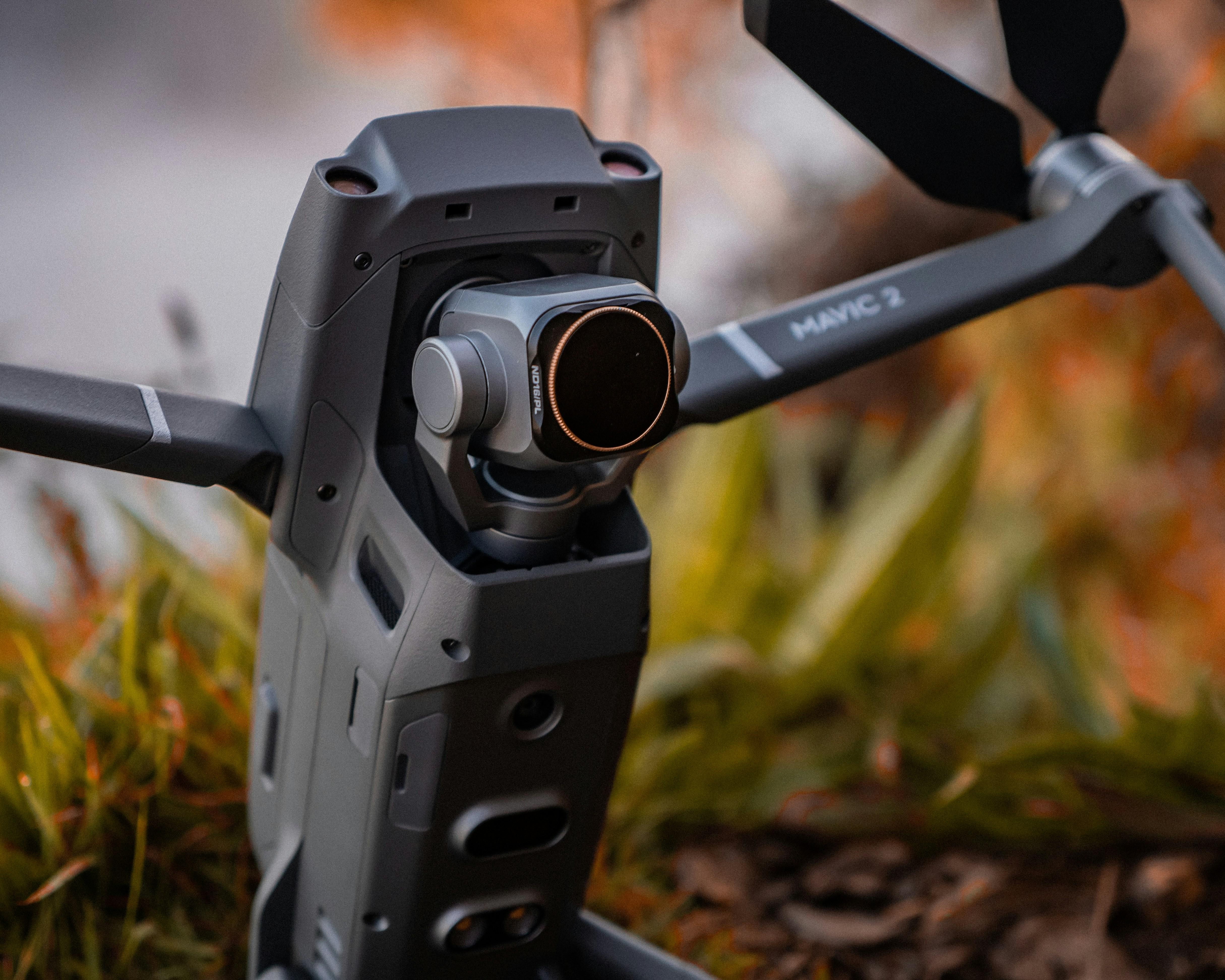
Unveiling the Magic Behind Motion Control Technology
Motion control technology opens up a world of creative possibilities, allowing filmmakers to execute complex camera movements with unparalleled precision. By utilizing robotic systems, directors can capture perfectly synchronized shots that would otherwise be impossible with manual operation. This technology enables seamless repetition of camera moves, ensuring consistency across multiple takes, which is crucial for visual effects and complex sequences.
- Precision: Achieve flawless tracking and timing with computer-controlled accuracy.
- Repetition: Repeat identical camera movements for special effects and compositing.
- Complexity: Execute intricate shots that combine multiple layers of action.
Through the innovative use of motion control cameras, filmmakers can explore new dimensions of storytelling, crafting visual narratives that captivate audiences and push the boundaries of cinematic art.
Precision in Movement: Crafting the Perfect Shot
In the realm of filmmaking, achieving flawless precision in camera movement is often the key to capturing shots that defy the ordinary. Motion control cameras have revolutionized this aspect, allowing directors and cinematographers to choreograph movements with exacting detail. This technology synchronizes camera motions with incredible accuracy, enabling seamless transitions and dynamic angles that were once considered impossible.
Motion control systems offer a suite of capabilities that enhance creativity on set:
- Repeatable Movements: Execute the same shot multiple times with perfect consistency.
- Complex Tracking: Capture intricate scenes with synchronized motion paths.
- Time-lapse Precision: Create stunning time-lapse sequences with calculated movements.
- Integrated Special Effects: Combine live-action and CGI with meticulous alignment.
These features allow filmmakers to push the boundaries of visual storytelling, crafting shots that mesmerize and captivate audiences.
Mastering Complex Sequences with Robotic Precision
In the realm of cinematic artistry, achieving the perfect shot often requires more than just a skilled camera operator. Motion control cameras bring a level of precision that allows filmmakers to choreograph sequences with mathematical accuracy. By employing these robotic systems, directors can meticulously plan and execute complex movements that would be impossible by human hand. This technology enables the capture of seamless shots that can be repeated with exactitude, ensuring consistency across multiple takes or when blending live action with CGI.
Key benefits of using motion control cameras include:
- Precision: Automated systems allow for movements that are accurate down to the millimeter.
- Repeatability: Enables the exact replication of camera paths for visual effects.
- Complexity: Facilitates intricate shots that intertwine multiple elements in a single frame.
With these advantages, filmmakers can push the boundaries of storytelling, crafting scenes that captivate and immerse audiences in ways previously unimaginable.
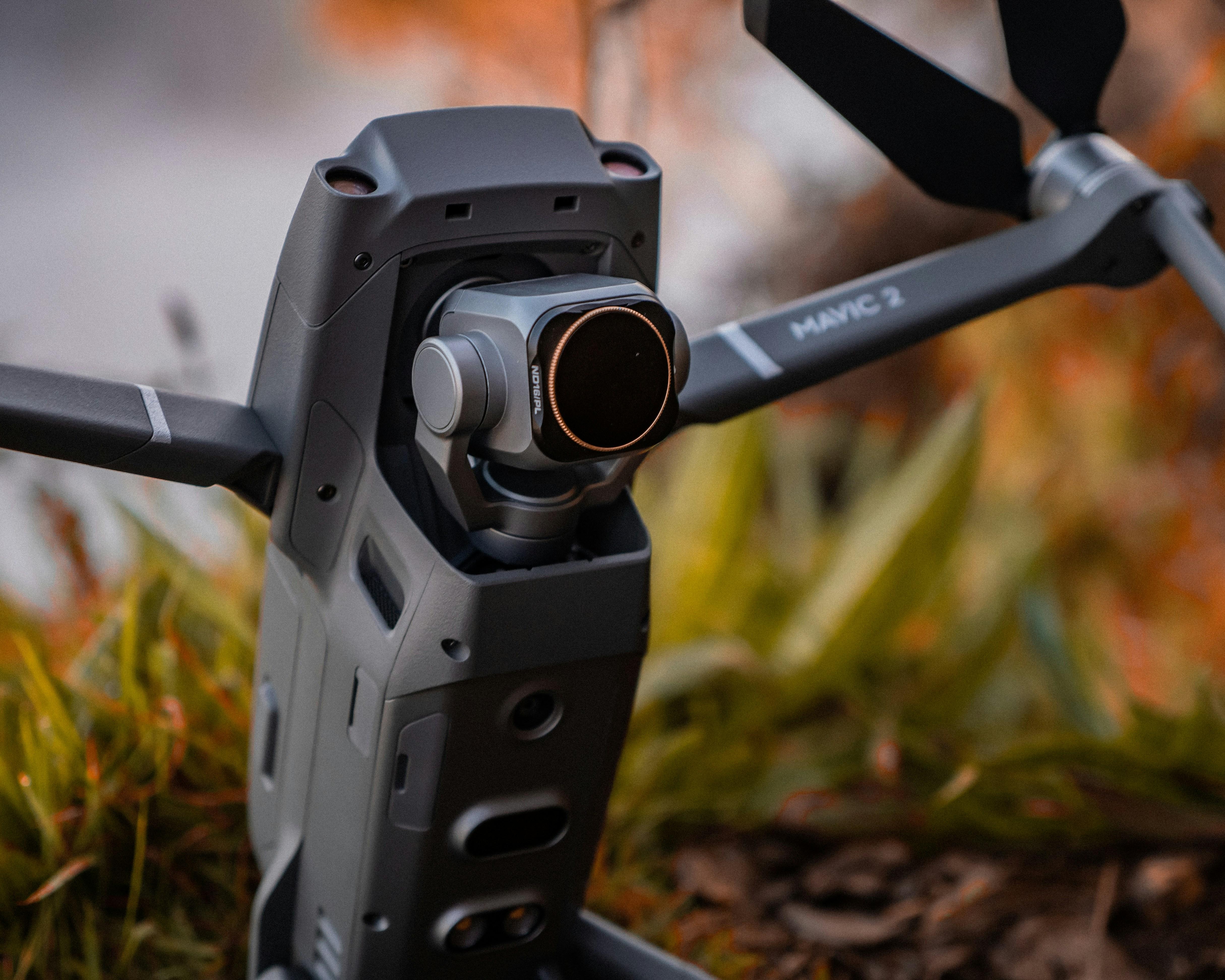
Elevating Storytelling: Tips for Using Motion Control Cameras
To truly harness the power of motion control cameras, filmmakers can follow several key strategies that enhance their storytelling. Precision is paramount; these cameras allow for exact repeatability of shots, enabling filmmakers to capture intricate sequences that would be impossible with manual operation. This opens up creative avenues for complex visual effects, such as seamlessly integrating CGI elements or crafting time-lapse scenes that demand meticulous consistency.
Another essential tip is to leverage the creative flexibility these cameras offer. By pre-programming camera movements, directors can explore innovative angles and dynamic perspectives that add depth to their narratives. Consider utilizing motion control for:
- Slow-motion sequences: Capturing high-speed action with smooth, controlled motion.
- Scene transitions: Creating fluid transitions that maintain the viewer’s immersion.
- Character interactions: Crafting scenes with synchronized movements that highlight emotional exchanges.
By integrating these techniques, filmmakers can elevate their storytelling, pushing the boundaries of what’s visually possible and engaging audiences in new and exciting ways.


