
In the ever-evolving landscape of cinema, where imagination meets innovation, artificial intelligence is emerging as a transformative force in film editing and production. As digital reels spin and directors envision worlds yet unimagined, AI quietly orchestrates a revolution behind the scenes. This silent collaborator, with its algorithms and data-driven insights, is redefining storytelling, offering filmmakers new tools to enhance creativity and streamline processes. From automating mundane tasks to crafting personalized viewing experiences, AI is not just a tool but a visionary partner, poised to reshape the future of filmmaking. Join us as we explore how this technological marvel is influencing the cinematic arts, heralding a new era of possibilities in storytelling.
AI-Driven Innovations Transforming Film Editing Techniques
The integration of AI into film editing is revolutionizing traditional techniques, offering unprecedented capabilities that enhance creativity and efficiency. With AI-driven tools, editors can now automate repetitive tasks, such as sorting through hours of footage, allowing them to focus on more creative aspects of storytelling. These tools can analyze scenes, identify patterns, and even suggest edits that align with the director’s vision.
- Scene Recognition: AI algorithms can quickly tag and categorize scenes, making it easier for editors to locate specific shots.
- Emotion Detection: Advanced AI can assess emotional tones, helping to create seamless transitions that evoke the desired audience response.
- Color Grading: AI-powered color grading tools offer precision and consistency, ensuring visual continuity across different scenes.
These innovations are not only streamlining workflows but also empowering filmmakers to explore new creative horizons, making AI an indispensable ally in the art of film editing.
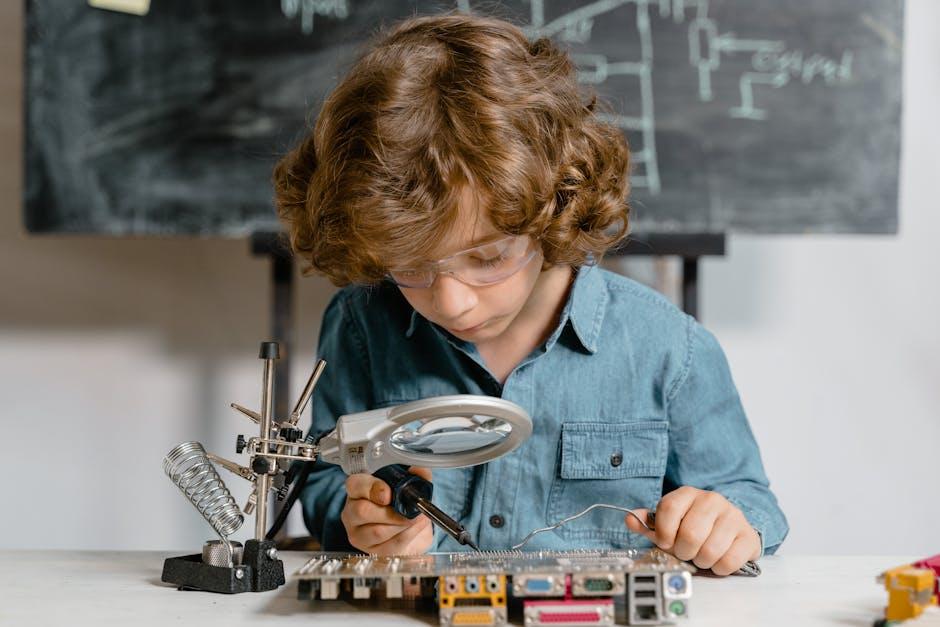
Enhancing Storytelling with Intelligent Editing Tools
In the ever-evolving world of film editing, intelligent editing tools powered by AI are transforming how stories are crafted. These tools offer filmmakers a suite of capabilities that go beyond traditional methods, allowing for more dynamic and engaging storytelling. AI-driven algorithms can analyze vast amounts of footage to identify key moments, suggest edits, and even generate rough cuts, significantly reducing the time and effort required in the editing process.
- Automated Scene Detection: AI can quickly detect and categorize scenes, making it easier for editors to organize and access footage.
- Emotion Recognition: By analyzing actors’ facial expressions and tone, AI tools can recommend edits that enhance emotional impact.
- Smart Sound Design: Intelligent tools can suggest background scores and sound effects that align with the mood and pace of the film.
These advancements not only streamline the editing workflow but also open up new avenues for creativity, enabling filmmakers to experiment with innovative narrative techniques. As AI continues to evolve, its role in shaping the future of film editing promises to be both profound and transformative.
 Streamlining Production Workflows Through Automation”>
Streamlining Production Workflows Through Automation
In the dynamic world of film editing and production, automation is increasingly becoming the linchpin for efficiency and creativity. AI-driven tools are transforming traditional workflows by offering innovative solutions that streamline complex processes. Editors and producers can now focus more on storytelling, as AI handles routine tasks such as footage sorting, color correction, and sound editing.
- Enhanced Efficiency: Automated systems quickly sift through hours of raw footage, identifying key scenes and organizing them seamlessly.
- Cost Reduction: By minimizing manual labor, production costs are significantly lowered, allowing for budget reallocation to other creative areas.
- Improved Collaboration: Cloud-based AI platforms enable real-time collaboration across teams, ensuring that edits and updates are synchronized instantly.
These advancements not only save time but also open up new avenues for creativity, enabling filmmakers to push boundaries and explore novel storytelling techniques.
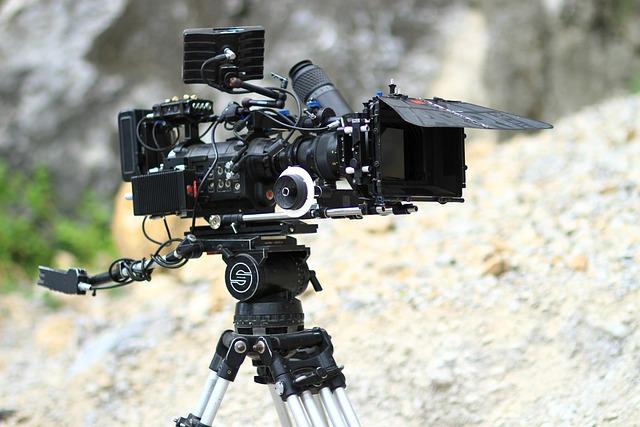 Ethical Considerations and Best Practices in AI Film Production”>
Ethical Considerations and Best Practices in AI Film Production
Incorporating AI into film production brings with it a set of ethical considerations that require thoughtful navigation. Transparency is paramount; filmmakers must ensure audiences are aware when AI is utilized in creative processes. This fosters trust and maintains the integrity of artistic expression. Additionally, the use of AI in editing must respect intellectual property rights, ensuring that the original creators’ contributions are acknowledged and preserved.
Best practices in AI-driven film production include:
- Inclusive Collaboration: Engaging diverse teams to oversee AI applications, minimizing bias in content creation.
- Data Privacy: Safeguarding personal data used in AI algorithms, complying with global privacy standards.
- Continuous Evaluation: Regularly assessing AI tools to ensure they align with ethical standards and industry norms.
By addressing these considerations, filmmakers can harness AI’s potential responsibly, paving the way for innovative storytelling while upholding ethical standards.


