
In the bustling world of film production, where every frame is a canvas and every scene a masterpiece in the making, collaboration is the brush that brings visions to life. At the heart of this creative symphony stands the art director, a pivotal figure orchestrating the visual harmony of a film. Navigating the dynamic relationship between directors, producers, and crew, the art director transforms ideas into tangible realities. But how does one effectively collaborate with these visionaries to ensure a seamless creative process? This article delves into the best practices for working alongside art directors on film sets, offering insights and strategies to foster a harmonious and productive partnership, ultimately elevating the cinematic experience for all.
Understanding the Vision: Aligning Creative Goals
To ensure a seamless collaboration with art directors on film sets, it’s crucial to delve into their creative vision. Start by engaging in open conversations to understand their aesthetic goals and thematic intentions. This involves listening carefully to their ideas and interpretations, allowing you to align your efforts effectively. In these discussions, focus on key visual elements such as color schemes, textures, and spatial arrangements, which are fundamental in bringing the director’s vision to life.
- Participate in pre-production meetings to clarify expectations and contribute ideas.
- Create mood boards or visual references to ensure mutual understanding.
- Be receptive to feedback and ready to adapt your creative approach.
By fostering a collaborative environment, you not only support the art director’s vision but also enrich the overall storytelling process. This alignment is vital in crafting a cohesive visual narrative that resonates with the audience.
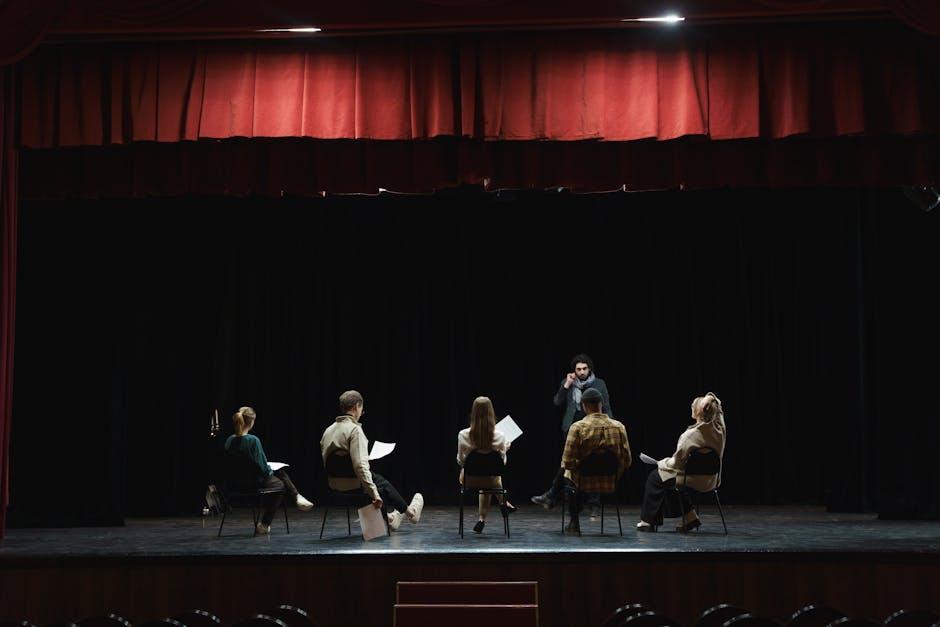 Communication: Bridging Ideas and Execution”>
Effective Communication: Bridging Ideas and Execution
In the dynamic environment of film sets, establishing a seamless line of communication with art directors is crucial for translating creative visions into reality. To foster this collaboration, start by embracing active listening. Understanding the art director’s perspective allows you to align your approach with their vision, ensuring that both creative and practical elements are harmoniously integrated.
- Clarify Expectations: Clearly define roles and responsibilities at the outset to prevent misunderstandings.
- Visual References: Utilize mood boards or sketches to communicate ideas effectively, making abstract concepts tangible.
- Regular Check-Ins: Schedule consistent meetings to discuss progress and address any evolving challenges.
- Adaptability: Be open to adjustments, understanding that flexibility is key in a creative process.
- Feedback Loop: Establish a system for constructive feedback, promoting a culture of continuous improvement.
By prioritizing these practices, you can create a collaborative atmosphere that not only bridges ideas with execution but also enhances the overall quality of the production.
Resource Management: Optimizing Set Design and Materials
Efficient collaboration with art directors is crucial in ensuring that set design and materials are optimized for both aesthetics and budget. Resource management becomes a key focus, where balancing creativity and cost-effectiveness is essential. To achieve this, consider the following best practices:
- Open Communication: Establish a continuous dialogue with the art director to understand the vision and constraints. This ensures alignment on the creative direction and resource allocation.
- Prioritize Reusability: Encourage the use of materials that can be repurposed for multiple scenes or projects, reducing waste and saving on costs.
- Innovative Sourcing: Explore alternative materials or local suppliers to cut down on transportation expenses and environmental impact, while still achieving the desired look.
- Detailed Budgeting: Work closely with the art director to develop a detailed budget that accounts for all elements of the set design, allowing for flexibility without sacrificing quality.
By focusing on these strategies, the synergy between production teams and art directors can lead to beautifully crafted sets that stay within budget and schedule, fostering a successful filmmaking process.
Problem-Solving Techniques: Navigating Creative Challenges
When collaborating with art directors on film sets, the key to successful problem-solving lies in embracing both structure and spontaneity. Open communication is crucial. Establish a dialogue that allows for the exchange of ideas without judgment. This creates a space where creativity can flourish, and challenges can be addressed with a collaborative mindset.
- Active Listening: Pay close attention to the art director’s vision and concerns. This fosters a mutual understanding and respect.
- Flexibility: Be prepared to adapt your ideas. Film sets are dynamic environments where changes are inevitable.
- Visual References: Use sketches, mood boards, or digital tools to visually communicate concepts and align visions.
Moreover, nurturing a problem-solving culture involves embracing a team-oriented approach. Encourage brainstorming sessions where every voice is heard, and innovative solutions are welcomed. This not only enhances the creative process but also ensures that the final output resonates with the collective vision of the team.


