
In the shimmering world of cinema, where dreams and reality entwine on the silver screen, the role of the director has always been akin to that of a master illusionist, crafting tales that captivate the imagination. Yet, in recent years, a new element has emerged as a pivotal player in this storytelling alchemy: visual effects. As technology leaps forward with breathtaking speed, the boundaries of what can be visualized are constantly expanding, inviting directors to explore realms once thought impossible. But as this digital magic becomes ever more integral to the filmmaking process, a pressing question arises: Are modern directors leaning too heavily on visual effects at the expense of narrative depth? This article delves into the heart of this cinematic conundrum, examining the delicate balance between technological innovation and the timeless art of storytelling.
The Evolution of Visual Effects in CGI That Made This Year's Sci-Fi Epic Possible”>Cinema
The journey of visual effects in cinema is a testament to human ingenuity and artistic ambition. From the early days of practical effects like matte paintings and miniatures to the groundbreaking computer-generated imagery (CGI) of today, filmmakers have continually pushed the boundaries of what is visually possible. In the past, directors relied on practical techniques to bring their visions to life, often using ingenious methods to create illusions on screen. These techniques, though sometimes limited, fostered a unique blend of creativity and craftsmanship.
- Miniatures and models
- Stop-motion animation
- Matte paintings
Today, the landscape has shifted dramatically. The advent of advanced CGI and digital effects has opened up limitless possibilities, allowing directors to craft entire worlds with a click of a button. However, this technological leap raises questions about the balance between visual spectacle and narrative depth. While some argue that modern cinema leans heavily on effects, potentially overshadowing storytelling, others see it as an evolution that enhances the storytelling experience. The key lies in how directors choose to wield these powerful tools, ensuring that visual innovation complements rather than detracts from the story.

Balancing Spectacle with Story: A Delicate Dance
In the age of digital cinema, the allure of breathtaking visuals often tugs directors toward the dazzling potential of CGI and special effects. Yet, the true art lies in the harmonious integration of these elements with a compelling narrative. The challenge is to ensure that the spectacle serves the story, not the other way around. When visual effects overshadow the plot, the emotional core of a film risks being lost amidst the razzle-dazzle. Directors face the delicate task of maintaining this equilibrium, crafting a narrative that captivates both the eye and the heart.
- Visual Impact: Stunning effects can enhance the storytelling, creating immersive worlds that captivate audiences.
- Emotional Resonance: A powerful story remains the backbone, ensuring viewers connect on a deeper level.
- Artistic Balance: Successful films find the sweet spot where narrative and visuals complement each other seamlessly.
Ultimately, it’s this balance that distinguishes a memorable cinematic experience from mere eye candy. Directors who master this dance can transform their films into timeless masterpieces that resonate with audiences long after the credits roll.
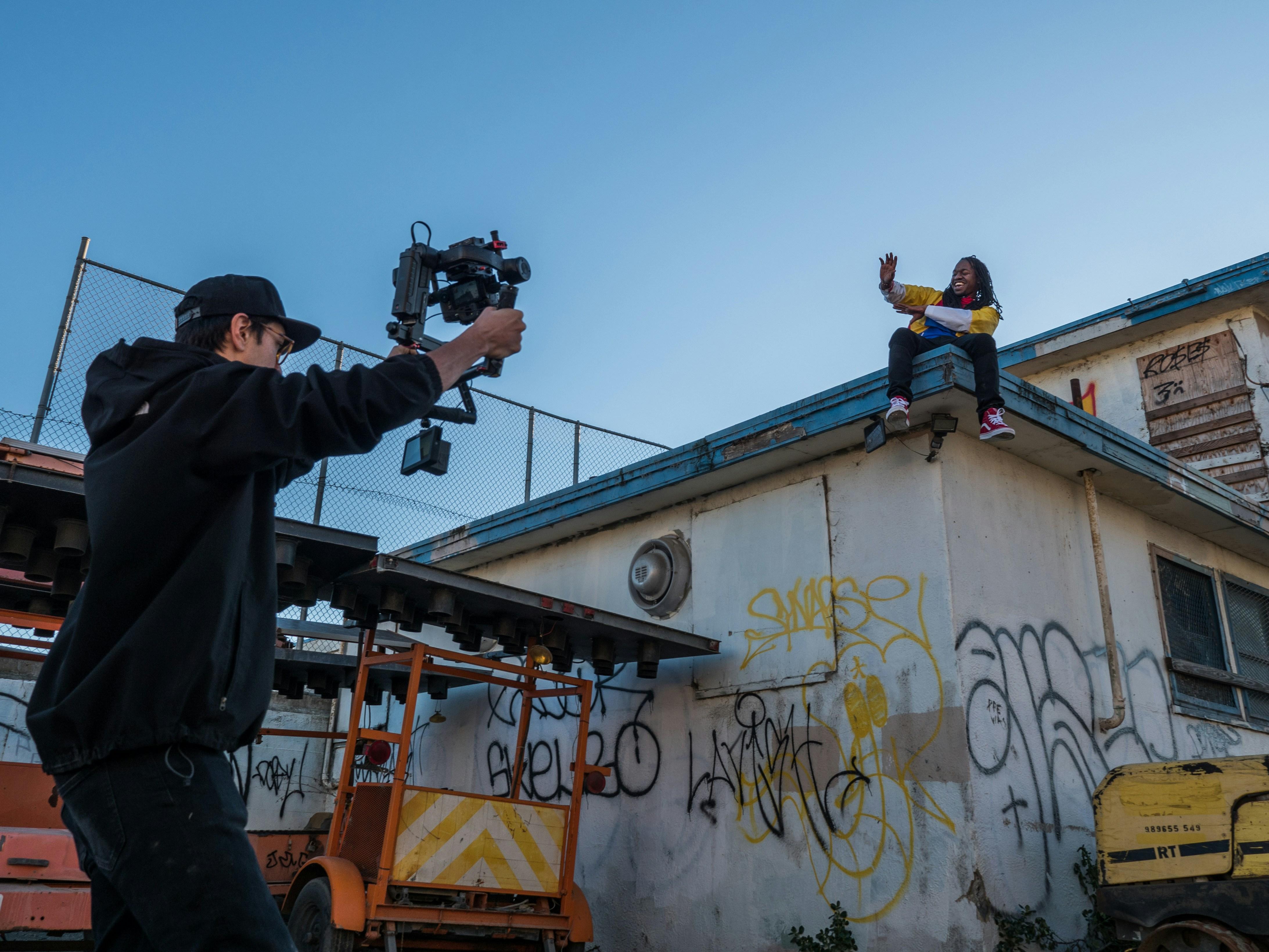
Crafting Emotion Beyond the Screen
In an era where digital landscapes dominate the cinematic experience, the art of evoking genuine emotion often feels overshadowed by the spectacle of visual effects. While CGI and other technological advancements have expanded the horizons of storytelling, there is a growing conversation about whether they inadvertently dilute the emotional depth that can be achieved through more traditional filmmaking techniques. Directors today face the challenge of ensuring that the heartfelt moments within their narratives aren’t lost amidst a sea of digital wizardry.
Consider the subtle power of a well-crafted scene that relies on the raw performances of actors, a poignant script, or the delicate interplay of light and shadow. These elements can create an emotional resonance that lingers long after the credits roll. To balance this, filmmakers might explore:
- Character-driven narratives that prioritize development and depth.
- Minimalistic approaches that emphasize story over spectacle.
- Authentic settings that enhance the believability of the world.
By focusing on these aspects, directors can harness the potential of visual effects not as a crutch, but as a complementary tool that enriches the emotional journey rather than overshadowing it.

Recommendations for a Harmonious Visual Narrative
To create a balanced and impactful visual narrative, directors can focus on integrating practical effects and authentic settings alongside digital enhancements. This approach not only grounds the story in reality but also allows audiences to connect more deeply with the film’s world.
- Embrace Minimalism: Simplifying scenes can often enhance emotional impact. Fewer effects mean more focus on character development and storytelling.
- Prioritize Story Over Spectacle: Ensure that every visual element serves the narrative rather than overshadowing it. This alignment helps maintain viewer engagement.
- Leverage Mixed Media: Combining traditional techniques with modern effects can create a richer, more textured visual experience.
- Collaborate with Artists: Involve illustrators and practical effects artists early in the process to build a cohesive aesthetic that supports the story.
By blending these strategies, directors can craft visual stories that resonate on a deeper level, ensuring that technology enhances rather than dominates the narrative.


