
In the intricate dance of filmmaking, where every frame is a canvas and every scene a story, lighting emerges as a silent yet powerful choreographer. It whispers secrets, stirs emotions, and guides the audience’s gaze, crafting moods that linger long after the credits roll. In the realm of modern cinema, lighting transcends its utilitarian roots, evolving into a sophisticated tool that shapes narrative and evokes atmosphere. As filmmakers push the boundaries of visual storytelling, the role of lighting becomes ever more pivotal, transforming sets into realms of wonder and tension, intimacy and grandeur. Join us as we delve into the nuanced art of lighting, exploring how it conjures the magic that captivates and resonates with audiences worldwide.
Understanding Lighting Techniques for Emotional Impact
Lighting is a powerful tool in the filmmaker’s arsenal, capable of transforming a scene and evoking a spectrum of emotions. The right lighting can turn a mundane moment into something profound, guiding the audience’s emotional journey. Various techniques are employed to achieve this:
- High-Key Lighting: Often used to create a light, airy, and upbeat atmosphere, this technique minimizes shadows and highlights, making it ideal for comedies and romantic scenes.
- Low-Key Lighting: Characterized by stark contrasts and deep shadows, low-key lighting is perfect for building tension, mystery, or a sense of foreboding, commonly seen in thrillers and horror films.
- Natural Lighting: By utilizing the existing light in a setting, this approach adds authenticity and realism, often used in dramas to ground the narrative in reality.
- Color Temperature: Warm tones can evoke coziness and nostalgia, while cooler hues might create a sense of detachment or unease.
Understanding these techniques allows filmmakers to craft scenes that resonate deeply with viewers, using light to subtly influence perception and mood.
 Color Temperature and Its Influence on Scene Atmosphere”>
Exploring Color Temperature and Its Influence on Scene Atmosphere
The subtle art of manipulating color temperature is pivotal in shaping the emotional undertone of a scene. By adjusting the warmth or coolness of the light, filmmakers can evoke specific feelings and guide audience perception. A warm color temperature, characterized by hues of orange and yellow, often conveys intimacy, nostalgia, or warmth. This is frequently used in scenes meant to feel cozy or romantic, drawing viewers into a sense of comfort. On the other hand, a cooler color temperature, with its blue and white tones, can instill a sense of detachment, melancholy, or tension, perfect for scenes that aim to create suspense or highlight isolation.
Key Influences of Color Temperature:
- Warm Tones: Evoke warmth, comfort, and nostalgia.
- Cool Tones: Suggest detachment, tension, and melancholy.
- Neutral Tones: Provide a balanced and natural feel, often used in realistic settings.
This nuanced control over lighting allows filmmakers to craft visually compelling narratives that resonate emotionally, ensuring that every frame contributes meaningfully to the story’s atmosphere.
Harnessing Shadows and Highlights for Dramatic Effect
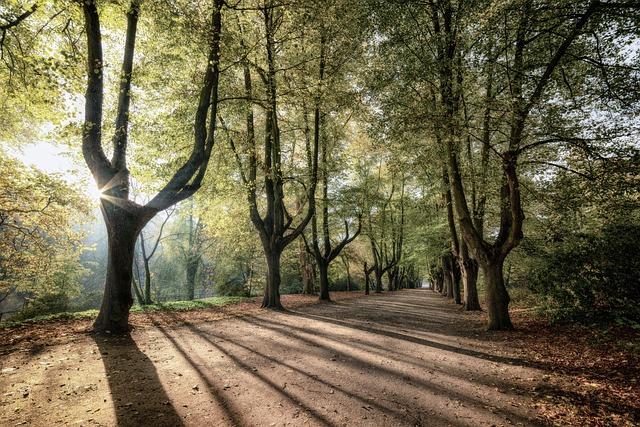
In the art of filmmaking, the strategic use of shadows and highlights can transform a mundane scene into a visually arresting tableau. Shadows, with their ability to conceal and suggest, can evoke mystery, tension, or even fear. They create depth, adding layers of intrigue to the narrative. Meanwhile, highlights draw the eye, emphasizing key elements and guiding the viewer’s focus. Together, they craft a dynamic interplay that can shift the emotional tone within seconds.
- Chiaroscuro: This technique, borrowed from Renaissance painting, uses stark contrasts to enhance drama.
- Silhouette: By lighting from behind, filmmakers can create a striking outline that conveys emotion without detail.
- Soft Lighting: Gentle highlights with diffused shadows can evoke a sense of calm or nostalgia.
Directors and cinematographers employ these elements with precision, shaping the viewer’s emotional journey. The subtle dance between light and dark is not just a visual choice but a storytelling tool that enriches the cinematic experience.

Practical Tips for Lighting Design on Contemporary Sets
Creating the perfect atmosphere on a modern film set involves more than just selecting the right fixtures. To enhance the mood, consider the following practical tips:
- Layer Your Lighting: Utilize a combination of ambient, task, and accent lighting to add depth and texture. This multi-dimensional approach allows you to highlight specific elements and create contrast.
- Color Temperature: Adjust the color temperature to evoke specific emotions. Warmer tones can create a cozy, intimate feel, while cooler tones may suggest tension or detachment.
- Smart Technology: Incorporate smart lighting systems to allow for dynamic adjustments during shoots. This flexibility can save time and provide greater creative control.
Remember, the key is to align the lighting design with the narrative, ensuring that every scene is visually compelling and emotionally resonant.


