
In the dim glow of a theater, as the first frames flicker to life, a silent narrative begins to unfold—one not spoken, but seen. Cinematography, the visual heartbeat of filmmaking, weaves tales that transcend dialogue, drawing audiences into worlds crafted with light, shadow, and movement. This intricate dance between camera and story is an art form in its own right, shaping emotions and guiding perceptions with every carefully framed shot. Join us as we embark on a deep dive into the art of storytelling through cinematography, exploring how this visual language speaks to the very soul of cinema, transforming scripts into vivid, unforgettable experiences.
Crafting Visual Narratives: The Language of Cinematic Shots
In the realm of cinematography, each shot is a brushstroke on the canvas of visual storytelling. Cinematic shots serve as the language through which directors and cinematographers convey emotions, themes, and narratives. The art lies in selecting the right type of shot to evoke the desired response from the audience. Consider the use of a close-up: it draws viewers into the intimate world of a character, capturing subtle nuances of expression that speak volumes. Conversely, a wide shot can establish context, immersing the audience in the expansive world that the characters inhabit.
- Close-Up: Intensifies emotions, reveals character depth.
- Wide Shot: Establishes setting, provides spatial context.
- Over-the-Shoulder: Creates a sense of perspective, enhances dialogue.
- Tracking Shot: Follows action, adds dynamic movement.
- High Angle: Conveys vulnerability, shifts power dynamics.
These visual choices are deliberate, shaping the narrative rhythm and guiding the audience’s journey. By mastering this visual lexicon, filmmakers craft stories that resonate long after the credits roll.
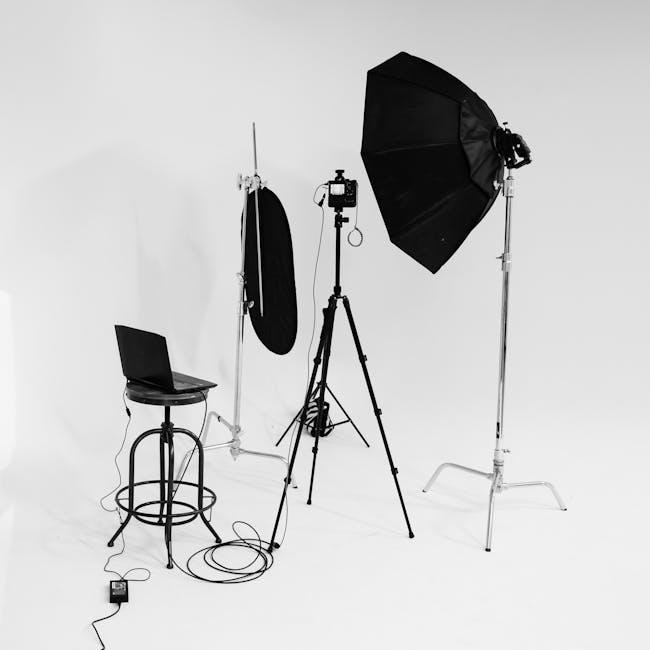 Lighting as a Storyteller: Setting the Mood and Tone”>
Lighting as a Storyteller: Setting the Mood and Tone
In the realm of cinematography, lighting serves as an unsung hero, weaving intricate emotions into the tapestry of a scene. It is a powerful tool that transforms mundane visuals into profound narratives. The subtle interplay of shadows and highlights can evoke a sense of mystery or warmth, while the choice of color temperature can transport audiences into different worlds. Lighting, therefore, is not just about visibility; it is about creating an atmosphere that resonates with the story being told.
- Color Temperature: Warm hues can evoke nostalgia or intimacy, while cooler tones often suggest detachment or melancholy.
- Intensity and Contrast: High contrast lighting can heighten tension, whereas soft, diffused light tends to convey tranquility.
- Direction: The angle of light can dramatically alter perception, casting characters in a heroic glow or sinister shadow.
By manipulating these elements, filmmakers guide the audience’s emotional journey, allowing them to feel the story as much as they see it. Whether it’s the stark, gritty realism of a noir thriller or the ethereal glow of a fantasy epic, lighting crafts the visual language that speaks directly to the viewer’s subconscious.
The Dance of Camera Movement: Guiding the Audiences Emotions
The way a camera moves can subtly guide the audience’s emotions, creating an intimate connection with the story unfolding on screen. Camera movement is not merely a technical choice; it is an art form that speaks directly to the heart of storytelling. Through the graceful sweep of a crane shot or the urgency of a handheld sequence, filmmakers orchestrate an emotional symphony that resonates with viewers.
- Tracking Shots: These can draw the audience into the world of the characters, following their journey and inviting viewers to walk alongside them.
- Zooms: When used sparingly, they can intensify a moment, focusing the audience’s attention and heightening suspense.
- Static Shots: These can create a sense of calm or tension, depending on the narrative context, allowing the audience to linger in a moment of reflection or anticipation.
Each movement, whether subtle or grand, is a deliberate choice, crafting a visual language that speaks volumes. In the hands of a skilled cinematographer, these techniques become a dance that guides the audience through a rich tapestry of emotions, leaving a lasting impact long after the credits roll.
 Symbolism: Painting with Purpose”>
Color Palettes and Symbolism: Painting with Purpose
In the realm of cinematography, the use of color palettes transcends mere aesthetics, becoming a profound tool for storytelling. Each hue and shade can evoke emotions, symbolize themes, and even foreshadow events. Directors and cinematographers meticulously select colors to craft a visual language that speaks to the audience’s subconscious. Warm colors like reds and oranges often symbolize passion, danger, or energy, while cool colors such as blues and greens might convey calmness, isolation, or melancholy.
- Red: Often used to signify love, anger, or power.
- Blue: Can represent tranquility, sadness, or detachment.
- Yellow: Symbolizes happiness, caution, or madness.
- Green: Evokes nature, envy, or renewal.
Through this deliberate use of color, filmmakers guide viewers on an emotional journey, enriching the narrative without uttering a single word. This visual symbolism becomes an integral part of the storytelling process, inviting audiences to delve deeper into the film’s underlying messages and themes.


