
In the dimly lit corridors of cinema, where dreams are woven into reality, the director stands as the visionary architect. Yet, behind every cinematic masterpiece lies a symphony of collaboration, a dance between the director and their production team. This intricate partnership transforms mere ideas into the vivid tapestry of film. Journey with us as we delve into the art of collaboration, exploring how directors and their teams harmonize creativity, skill, and passion to breathe life into stories that captivate audiences worldwide.
Crafting the Vision: Building a Unified Creative Language
In the intricate dance of filmmaking, directors work hand-in-hand with production teams to weave a cohesive tapestry of storytelling. This collaboration is an art form in itself, where establishing a unified creative language becomes paramount. Directors must articulate their vision clearly, ensuring that every department, from cinematography to costume design, speaks the same visual and thematic dialect.
- Visual Consistency: Directors and production designers collaborate to create a cohesive look, utilizing color palettes and set designs that echo the film’s tone.
- Emotional Resonance: Through discussions with actors and scriptwriters, directors ensure that the narrative’s emotional beats are consistently communicated across performances.
- Technical Harmony: Close collaboration with cinematographers and editors helps in maintaining the technical aspects that align with the director’s vision, from shot composition to pacing.
By fostering a creative environment where ideas flow freely, directors can inspire their teams to contribute meaningfully, transforming a singular vision into a shared cinematic experience.
Navigating Challenges: Effective Communication Strategies
Directors often face the intricate task of aligning their creative vision with the practicalities of production. This requires a symphony of effective communication strategies to ensure that every team member is on the same page. A director might employ visual storytelling techniques, such as storyboards or concept art, to convey the aesthetic and emotional tone of a project. This helps the production team visualize the end goal and align their efforts accordingly.
Moreover, directors may hold regular collaborative meetings to foster an open dialogue. These sessions can include:
- Feedback loops: Encouraging team members to share insights and suggestions.
- Clear role definitions: Ensuring everyone understands their responsibilities.
- Problem-solving workshops: Addressing challenges collaboratively to find creative solutions.
By utilizing these strategies, directors can effectively bridge the gap between vision and execution, transforming abstract ideas into tangible reality.

Empowering the Team: Delegation and Trust in Action
In the dynamic world of film and theater, directors often find their most powerful asset in the synergy created through delegation and trust. By entrusting specific roles and responsibilities to their production teams, directors can focus on the broader creative vision while ensuring each element of the project is meticulously crafted. This approach not only enhances efficiency but also fosters a sense of ownership among team members, empowering them to contribute their unique skills and insights.
Key strategies for successful collaboration include:
- Clear Communication: Establishing open channels for dialogue ensures that everyone is aligned with the project’s goals and expectations.
- Empowering Specialists: Allowing team members to take charge of their areas of expertise, from set design to sound engineering, encourages innovation and excellence.
- Feedback Loops: Regular check-ins and constructive feedback help maintain momentum and refine the creative process.
By weaving these strategies into the fabric of their leadership style, directors can cultivate an environment where creativity thrives and visions come to life.
Feedback Loops: Refining Ideas Through Collaborative Iteration
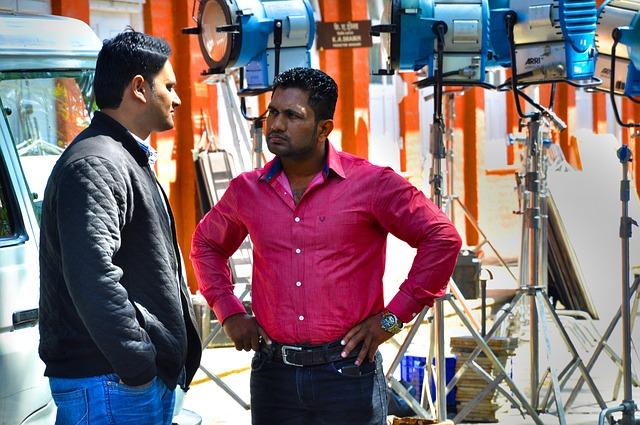
In the dynamic world of film production, directors often rely on a series of feedback loops to refine their vision. This process involves a continuous exchange of ideas with various departments, ensuring that every aspect of the project aligns with the director’s goals. Collaborative iteration is at the heart of this process, allowing for adjustments and enhancements that contribute to a more cohesive final product.
- Storyboarding Sessions: Initial ideas are sketched out and shared with the team, opening the floor to suggestions and improvements.
- Rehearsals and Script Read-throughs: Actors and crew provide insights that can lead to script adjustments or changes in direction.
- Design and Visual Effects Meetings: Art directors and VFX teams present concepts that are iteratively refined based on the director’s feedback.
- Post-production Reviews: Editors and sound designers work closely with directors to tweak the pacing, sound, and visual elements.
This iterative process not only refines the director’s vision but also empowers the entire production team to contribute creatively, resulting in a film that resonates with its intended audience.


