
In the realm of cinema, where adrenaline meets artistry, cinematographers wield their cameras like maestros conducting a symphony of motion and emotion. The art of capturing dynamic shots in action-packed scenes is a dance of precision and creativity, where every frame pulsates with life. As audiences are swept into high-octane chases and heart-stopping confrontations, the seamless choreography between camera and chaos becomes the unsung hero. This exploration delves into the techniques and innovations that cinematographers employ to transform action into visual poetry, crafting sequences that linger in the mind long after the credits roll.
Mastering the Art of Motion: Techniques for Capturing Dynamic Shots
In the realm of action-packed cinema, capturing the essence of movement is crucial. Cinematographers employ a myriad of techniques to ensure every frame pulses with energy. One such technique is the use of handheld cameras, which inject an organic, visceral feel into scenes, allowing the audience to experience the chaos alongside the characters. Additionally, gimbal stabilizers are often used to maintain fluidity, providing a smooth visual journey even in the midst of frenetic action.
Another vital tool in the cinematographer’s arsenal is the use of slow motion. By slowing down time, filmmakers can emphasize pivotal moments, enhancing the drama and intensity of the scene. Dolly and tracking shots also play a pivotal role, enabling the camera to move seamlessly with the action, creating a dynamic interplay between characters and their environment. Through these techniques, cinematographers masterfully capture the heartbeat of motion, bringing dynamic shots to life.
- Handheld Cameras - Adds authenticity and immediacy.
- Gimbal Stabilizers – Ensures smooth, fluid movement.
- Slow Motion – Highlights crucial, intense moments.
- Dolly and Tracking Shots – Maintains engagement with fluid motion.
Harnessing Light and Shadow: Elevating Action Through Cinematic Lighting
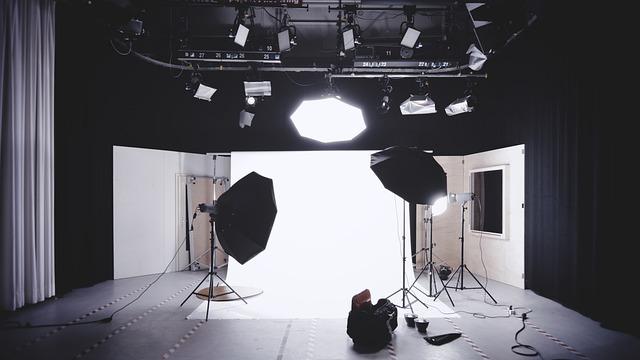
In the realm of action cinema, the art of manipulating light and shadow becomes a crucial tool for cinematographers aiming to amplify tension and drama. By strategically placing light sources and crafting shadows, they create a visual rhythm that mirrors the pulse of the narrative. Dynamic lighting can transform a mundane chase into a heart-pounding spectacle, guiding the viewer’s eye and accentuating the physicality of movement. The interplay of bright highlights and deep shadows not only adds depth but also emphasizes the raw energy of each scene.
- High-contrast lighting: Enhances tension by creating stark distinctions between light and dark areas.
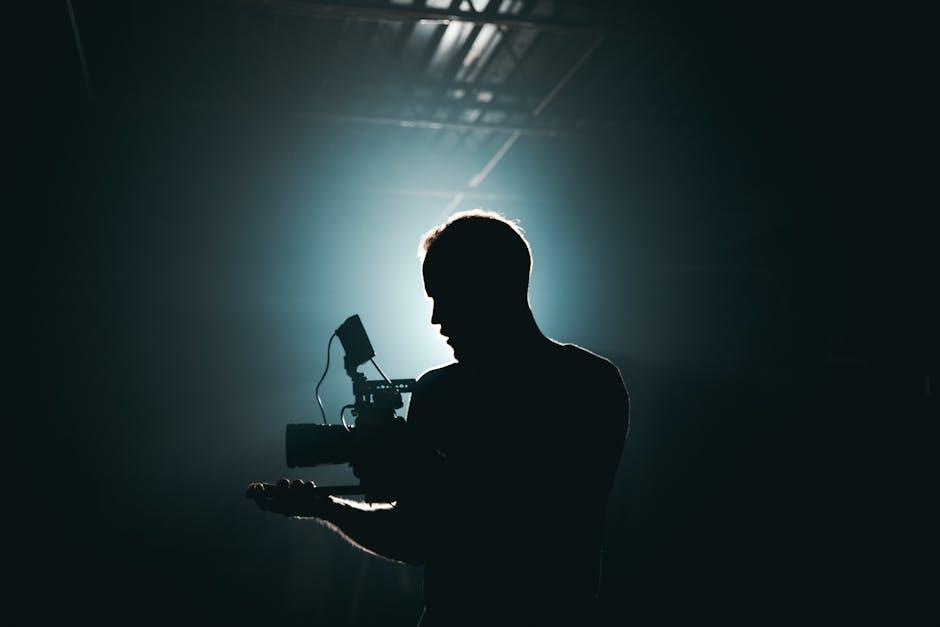
- Silhouettes: Used to evoke mystery and focus on the action without revealing too much detail.
- Moving light sources: Simulate natural movement and add a sense of urgency.
Through these techniques, cinematographers can transform ordinary settings into immersive landscapes where every flicker and shadow tells a story, making the action sequences not just seen, but felt.
Camera Movements that Thrill: Crafting Intensity in High-Stakes Scenes
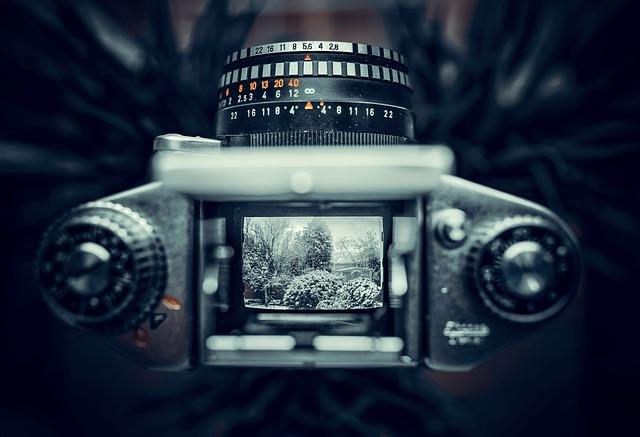
In the realm of action cinema, the camera becomes an extension of the audience’s adrenaline, weaving through the chaos with precision and flair. Dolly shots propel viewers into the heart of the action, creating a seamless glide that heightens tension. Handheld movements introduce an element of unpredictability, capturing the raw energy and urgency of a chase or combat scene. These techniques, when executed with finesse, transform static frames into dynamic storytelling devices.
Directors often employ crane shots to offer a bird’s-eye view, amplifying the scale of a high-stakes scenario. Whip pans rapidly shift focus, mimicking the frantic pace of unfolding events and immersing the audience in the whirlwind of activity. By strategically combining these movements, cinematographers craft a visual symphony that not only tells a story but also physically engages viewers, making them feel every twist and turn.
Collaborative Vision: The Role of Teamwork in Achieving Cinematic Brilliance
In the realm of action-packed cinema, the magic of dynamic shots is born from a synergy of creative minds. Teamwork is the cornerstone of transforming ambitious visions into breathtaking realities. Cinematographers, directors, stunt coordinators, and visual effects teams unite to choreograph sequences that push the boundaries of visual storytelling. Their collaboration is akin to a finely tuned orchestra, where each member’s expertise is crucial to achieving the desired impact. By fostering open communication and mutual respect, these professionals craft scenes that captivate and exhilarate audiences worldwide.
- Vision Alignment: Ensuring that everyone shares a unified vision is key to cohesive execution.
- Resource Sharing: Utilizing each team member’s unique skills and tools enhances the creative process.
- Problem-Solving: Collaborative brainstorming leads to innovative solutions for complex challenges.
- Real-Time Feedback: Continuous communication allows for dynamic adjustments on set.
By embracing a collaborative ethos, cinematographers and their teams unlock the potential to create scenes that are not only visually stunning but also emotionally resonant. This collective effort ensures that each frame is a testament to the power of teamwork in achieving cinematic brilliance.


