
In the dimly lit corridors of imagination where filmmakers once relied solely on sketches and storyboards, a new dimension has emerged, reshaping the creative landscape. Virtual Reality (VR), once the realm of gamers and tech enthusiasts, is now a powerful tool in the filmmaker’s arsenal. This digital frontier offers directors and cinematographers an unprecedented ability to pre-visualize scenes, transforming abstract concepts into immersive, three-dimensional experiences before a single frame is shot. As we delve into the world of VR pre-visualization, we uncover how this technology is not just enhancing creativity but revolutionizing the very process of storytelling in cinema.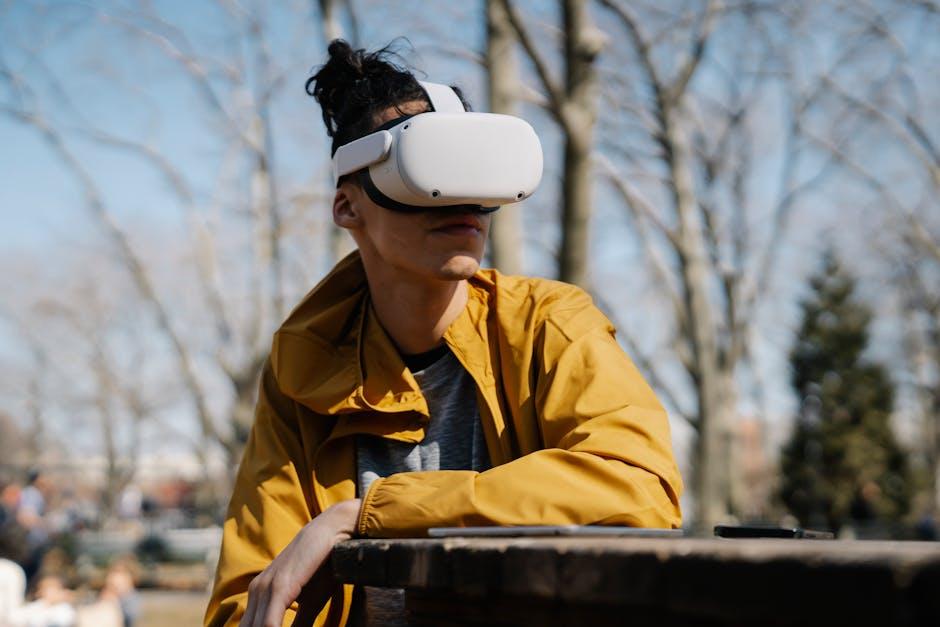
Exploring the Digital Canvas: Virtual Reality’s Role in Film Pre-Visualization
In the realm of filmmaking, Virtual Reality (VR) has emerged as a transformative tool, reshaping how directors and production teams approach pre-visualization. By immersing creators in a fully interactive digital environment, VR allows them to explore and experiment with scenes before a single frame is shot. This technology provides a unique advantage in visualizing complex sequences, offering a more tangible understanding of spatial dynamics and artistic direction.
- Enhanced Creativity: Directors can test multiple camera angles, lighting setups, and character movements in real-time.
- Cost Efficiency: Identifying potential issues in a virtual space reduces the need for costly reshoots.
- Collaborative Exploration: Teams across different locations can join the virtual set, fostering a collaborative spirit and unified vision.
With VR, the abstract concepts of a script can be transformed into vivid, interactive experiences, offering filmmakers a digital canvas where imagination knows no bounds.
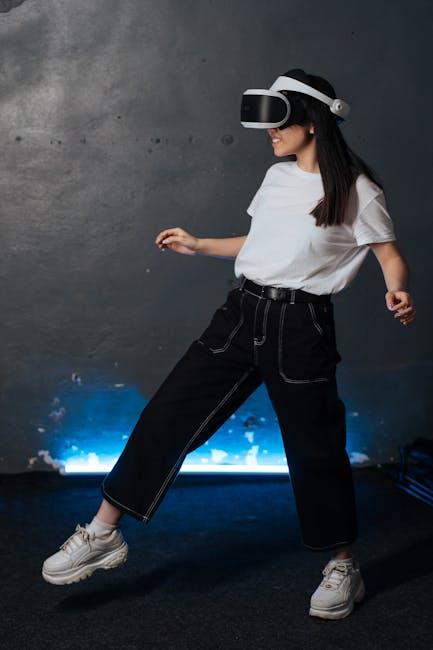
Crafting Cinematic Worlds: How VR Enhances Creative Collaboration
In the dynamic realm of filmmaking, virtual reality (VR) emerges as a groundbreaking tool that transforms how directors, designers, and producers collaborate. By immersing creators in a three-dimensional space, VR pre-visualization allows teams to explore and refine their cinematic visions before a single frame is shot. This innovative approach offers an interactive environment where ideas can be tested and adjusted in real-time, fostering a deeper understanding of spatial relationships and visual storytelling.
Key Benefits of VR in Creative Collaboration:
- Enhanced Spatial Awareness: Filmmakers can walk through sets, adjust camera angles, and experiment with lighting, gaining a comprehensive view of their project.
- Real-Time Feedback: Teams can collaborate more effectively by providing instant feedback, reducing the need for lengthy revisions.
- Cost Efficiency: By identifying potential issues early in the process, VR helps minimize costly on-set changes.
This seamless integration of technology and creativity paves the way for more innovative and visually stunning cinematic experiences.
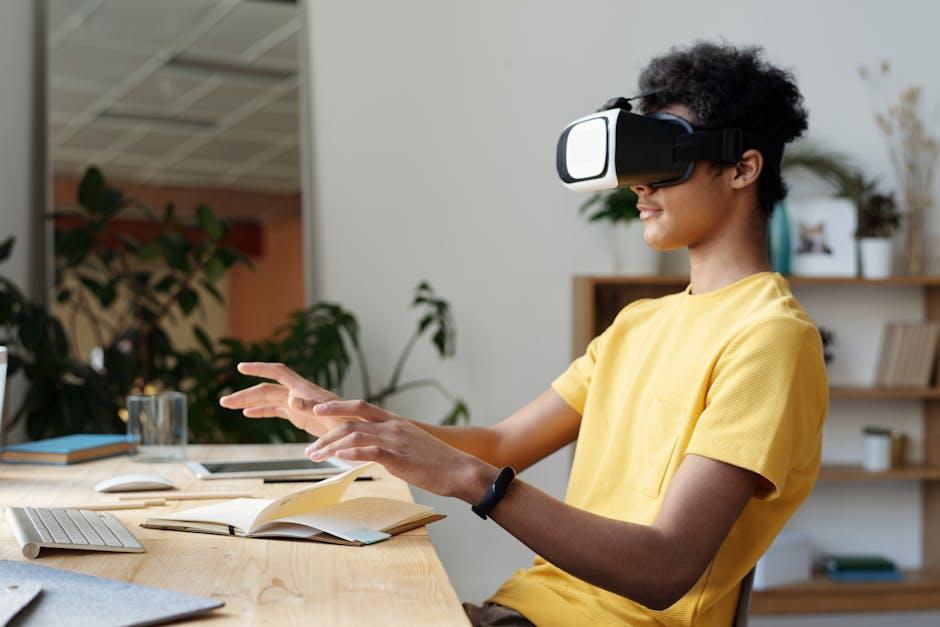
From Concept to Screen: Streamlining Production with Virtual Reality
In the intricate dance of filmmaking, pre-visualization has become a crucial step in transforming creative concepts into captivating on-screen realities. Virtual Reality (VR) is revolutionizing this phase, offering filmmakers an immersive tool to explore and refine their visions. By simulating environments and scenes in a 3D space, directors and production teams can navigate through their sets, adjust lighting, and experiment with camera angles long before physical production begins.
VR enables a more collaborative process, allowing team members to experience the film’s universe in a shared virtual space. This technology facilitates real-time feedback and adjustments, significantly reducing the need for costly revisions during actual filming. Key benefits include:
- Enhanced creativity: Visualize and modify scenes instantly.
- Improved accuracy: Plan shots with precise spatial awareness.
- Cost efficiency: Identify potential issues early, saving time and resources.
- Streamlined communication: Align creative teams with a unified vision.
Maximizing Storytelling Potential: Best Practices for VR Integration in Filmmaking
Incorporating virtual reality into filmmaking offers directors and storytellers a transformative tool for pre-visualization, enabling a more immersive and interactive approach to crafting narratives. By stepping into a virtual environment, filmmakers can explore their scenes in a 360-degree space, allowing for a comprehensive understanding of spatial dynamics and camera angles. This enhances creative decision-making, ensuring that every frame aligns with the artistic vision before actual production begins.
- Immersive Scene Exploration: VR allows directors to walk through sets, understanding the flow and interaction of elements in real-time.
- Dynamic Storyboarding: Replace static sketches with interactive models that can be adjusted on-the-fly, leading to a more agile creative process.
- Enhanced Collaboration: Team members, from cinematographers to production designers, can share and refine ideas in a shared virtual space, fostering a unified vision.
Utilizing VR in pre-visualization not only streamlines the filmmaking process but also opens up new avenues for storytelling innovation. By leveraging these best practices, filmmakers can maximize their storytelling potential, ensuring their narratives are both compelling and visually captivating.


