
In the realm of cinematic storytelling, where imagination meets reality, the art of miniatures quietly orchestrates scenes of grandeur and intimacy alike. These meticulously crafted models, often no larger than a coffee table, have the power to transport audiences to distant galaxies, towering cityscapes, and mythical lands. As digital effects continue to evolve, the tactile charm and authenticity of miniatures hold a unique place in the filmmaker’s toolkit. This article delves into the pivotal role miniatures play in constructing believable film worlds, blending the tangible with the fantastical to create experiences that resonate with viewers on a profoundly human level. Crafting Illusions: The Artistry Behind Miniature Sets”>
Crafting Illusions: The Artistry Behind Miniature Sets
In the realm of filmmaking, miniatures serve as intricate canvases where imagination meets reality. These tiny constructions, often detailed to perfection, allow filmmakers to portray expansive worlds on a manageable scale. From bustling cityscapes to sprawling alien landscapes, miniatures provide a tangible foundation for storytelling, enabling directors to craft scenes that would be otherwise impossible or prohibitively expensive to build full-scale. The artistry lies in the meticulous attention to detail, where every miniature prop and backdrop is crafted to withstand the scrutiny of the camera lens, creating an illusion of grandeur and authenticity.
- Realism: Miniatures offer a tactile quality that digital effects often lack, capturing light and shadow in a way that enhances realism.
- Cost-Effectiveness: Building miniatures can be more economical than constructing large sets, especially for scenes involving destruction or complex architecture.
- Versatility: They allow filmmakers to experiment with scale and perspective, offering creative solutions to visual challenges.
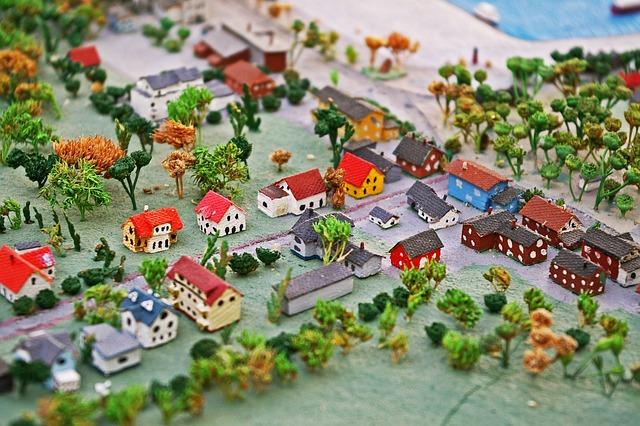
Scale and Detail: Breathing Life into Tiny Worlds
In the realm of filmmaking, miniatures play a pivotal role in crafting immersive and convincing environments. These small-scale models, meticulously constructed, allow filmmakers to explore vast landscapes and intricate settings without the constraints of reality. By using miniatures, directors can manipulate scale and perspective, offering viewers a sense of grandeur that might be unattainable through full-scale sets or CGI alone.
- Craftsmanship: The attention to detail in miniatures ensures every nook and cranny feels lived-in.
- Versatility: Miniatures can be adapted to various genres, from epic fantasies to gritty urban dramas.
- Cost-Effectiveness: Building smaller sets often proves more budget-friendly than larger counterparts.
- Authenticity: Physical models provide a tangible realism that often surpasses digital creations.
Ultimately, the use of miniatures bridges the gap between imagination and reality, enabling filmmakers to breathe life into their visions with an artistry that captivates audiences and enriches storytelling.
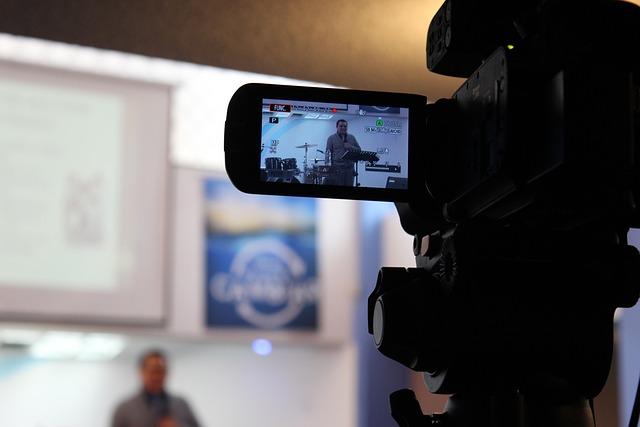
The Technical Mastery of Miniature Cinematography
In the intricate world of film production, miniature cinematography stands as a testament to the blend of artistry and precision. This technique, revered for its ability to create breathtakingly realistic environments, involves the meticulous crafting of small-scale models that are then filmed to appear life-sized on screen. The technical mastery required is immense, demanding not only a keen eye for detail but also a deep understanding of lighting, perspective, and camera angles.
- Lighting: Crafting the perfect ambiance to match the intended mood.
- Perspective: Manipulating angles to ensure the miniature feels expansive.
- Material Selection: Choosing materials that mimic real-world textures and reflections.
Directors and cinematographers who employ miniatures often do so for their unparalleled ability to immerse audiences in worlds that are both fantastical and believable. The tactile quality of miniatures, combined with expert cinematographic techniques, allows for a visual authenticity that CGI sometimes struggles to replicate. This art form continues to captivate filmmakers, offering a tangible connection to the crafted worlds they seek to portray.

Integrating Miniatures with Digital Effects for Seamless Realism
Combining the tactile artistry of miniatures with cutting-edge digital effects can create a harmonious blend that enhances the authenticity of film worlds. This synergy leverages the tangible details of physical models while allowing digital tools to seamlessly extend their boundaries. When miniatures are meticulously crafted, they offer a palpable depth and texture that digital effects alone might lack. By integrating these models into a digital framework, filmmakers can achieve a level of realism that is both visually stunning and emotionally engaging.
- Precision and Detail: Miniatures bring intricate details that can be enhanced with digital techniques, ensuring each frame is packed with authenticity.
- Lighting and Shadows: Real-world lighting on miniatures can be captured and enhanced, creating naturalistic shadows and highlights that blend seamlessly with CGI.
- Dynamic Movement: Combining physical miniatures with digital effects allows for dynamic scenes that maintain the physical world’s unpredictability and charm.
Incorporating miniatures within a digital landscape not only preserves the tactile essence of physical artistry but also pushes the boundaries of visual storytelling. This integration fosters a captivating cinematic experience where the real and the digital coalesce into one compelling vision.


