
In the realm of digital artistry, where pixels transform into vibrant landscapes and characters come to life, the subtle art of practical lighting emerges as an unsung hero. This technique, rooted in the tangible world, bridges the gap between reality and imagination, infusing digital environments with depth and authenticity. As creators strive to craft immersive experiences, practical lighting becomes a crucial tool, enhancing visual storytelling with its nuanced interplay of shadows and highlights. In this exploration, we delve into the innovative ways practical lighting is harnessed to elevate digital landscapes, revealing the secrets behind its transformative power.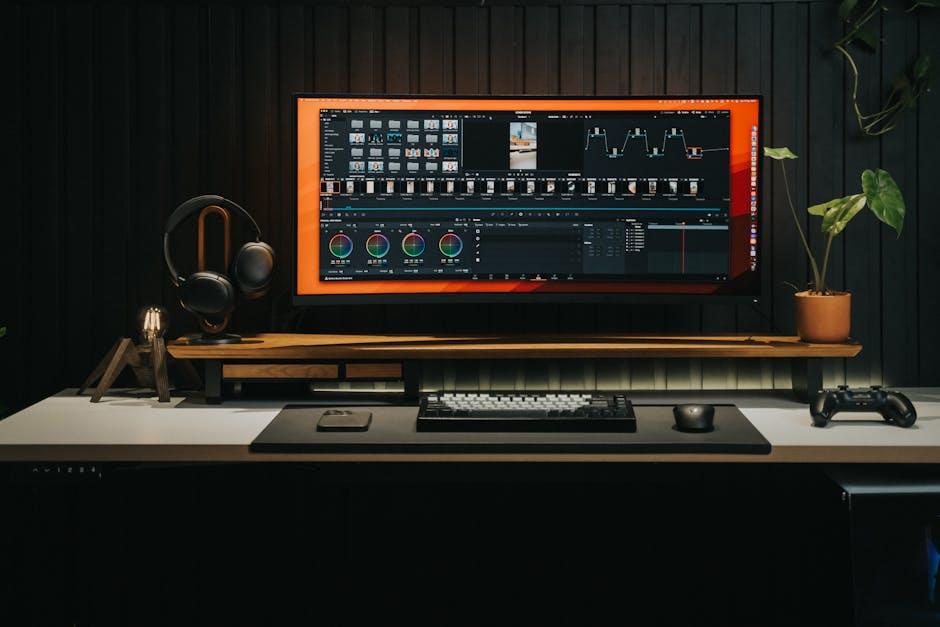
Mastering the Art of Illumination in Digital Spaces
In the realm of digital design, practical lighting serves as a pivotal element that transcends mere visibility, transforming virtual landscapes into immersive experiences. Practical lighting refers to the strategic use of light sources that are visible within the scene, such as lamps, streetlights, or even the glow from a smartphone. This technique not only adds authenticity but also enhances mood and depth, drawing viewers into a more believable and emotionally resonant world.
To effectively utilize practical lighting, consider the following approaches:
- Color Temperature: Adjusting the warmth or coolness of light can dramatically alter the atmosphere, from cozy and intimate to stark and clinical.
- Light Positioning: Thoughtful placement can highlight key elements, create dramatic shadows, or guide the viewer’s eye through the scene.
- Intensity and Contrast: Balancing light levels ensures that details are neither washed out nor lost in darkness, maintaining visual interest.
- Integration with Environment: Ensure that light sources logically fit within the scene, enhancing realism and cohesion.
By mastering these elements, designers can craft digital spaces that not only captivate but also communicate on a deeper, more instinctual level.
Techniques for Integrating Real-World Lighting Effects
Incorporating real-world lighting into digital settings requires a blend of art and science. To achieve this, artists often employ a variety of techniques to ensure that virtual environments resonate with authenticity. HDR Imaging is one such method, capturing a broader range of light and shadow to create more dynamic and realistic scenes. This technique allows for greater control over exposure levels, mimicking the natural behavior of light.
Additionally, the use of Global Illumination algorithms simulates how light interacts with surfaces in a scene, providing a more lifelike depiction. By calculating how light bounces off objects, these algorithms enhance the depth and realism of the environment. Here are some other common practices:
- Volumetric Lighting: Simulates light scattering in the air, creating beams and shafts of light that add atmosphere.
- Color Grading: Adjusts the color tones to match specific moods or times of day, enhancing the visual storytelling.
- Light Probes: Capture lighting information in a scene to ensure consistent and realistic illumination on moving objects.

Enhancing Atmosphere: Practical Lighting Tips for Designers
In the realm of digital design, lighting plays a pivotal role in shaping mood and guiding the viewer’s experience. By strategically using practical lighting, designers can create immersive environments that captivate and engage. Here are some tips to consider:
- Layered Lighting: Incorporate a mix of ambient, task, and accent lighting to add depth and dimension. This approach helps to highlight key elements while maintaining a cohesive look.
- Color Temperature: Use warm tones to evoke comfort and intimacy, while cooler hues can suggest modernity and precision. Experiment with different temperatures to find the perfect balance for your project.
- Directional Focus: Guide the viewer’s attention by adjusting the direction and intensity of light sources. This technique can emphasize focal points and create dynamic contrasts.
- Soft Shadows: Implementing subtle shadows can add realism and texture to digital spaces, enhancing the overall atmosphere without overwhelming the scene.
By thoughtfully applying these techniques, designers can elevate their digital environments, making them more engaging and visually appealing.

Balancing Realism and Aesthetics in Virtual Environments
In the realm of digital environments, the interplay between realism and aesthetics is crucial for creating immersive experiences. Practical lighting serves as a bridge, enhancing the visual storytelling by simulating real-world illumination while adding artistic flair. Realism is achieved by mimicking natural light sources, such as sunlight filtering through trees or the warm glow of street lamps, providing an authentic ambiance. This approach ensures that shadows, reflections, and textures appear believable, grounding the viewer in the virtual space.
On the aesthetic side, lighting designers often employ creative techniques to evoke emotions and highlight specific elements. Key strategies include:
- Color grading: Adjusting hues to convey mood or time of day.
- Dynamic lighting: Using moving light sources to create drama and focus.
- Volumetric lighting: Simulating light beams and fog for depth and atmosphere.
By balancing these elements, digital creators can craft environments that are not only visually stunning but also deeply engaging, making every virtual journey a memorable one.


