
In the world of cinema, where stories come alive and emotions leap from the screen, lighting plays a pivotal role in shaping our visual experience. “” delves into the artistry and precision that lighting designers and cinematographers employ to create the perfect atmosphere for every scene. From the subtle play of shadows to the dramatic flair of high-contrast illumination, this article explores the technical intricacies and creative decisions that illuminate the heart of storytelling. Join us as we pull back the curtain and shed light on the techniques that transform simple frames into unforgettable visual narratives.
Crafting Shadows: The Art of Light Manipulation
In the world of cinema, light serves as both a sculptor and storyteller, shaping every frame with precision. The art of manipulating light to create shadows is a delicate dance that demands an understanding of both technique and creativity. Cinematic lighting techniques involve a masterful interplay between light sources and their placement, allowing filmmakers to evoke emotions, build tension, or reveal character depth.
- Three-Point Lighting: This classic technique uses a key light, fill light, and backlight to create balanced and dynamic scenes.
- Chiaroscuro: Emphasizing stark contrasts, this method plays with light and dark to highlight textures and create a dramatic atmosphere.
- Silhouette Lighting: By placing the subject against a bright background, filmmakers can craft striking outlines that convey mystery or intrigue.
Each method, when executed with finesse, transforms ordinary scenes into visual masterpieces, inviting audiences to experience the nuanced language of light.

Color Temperature: Balancing Warmth and Coolness
In the realm of cinematic lighting, mastering the art of color temperature is crucial for crafting the desired emotional impact. Warm tones, often achieved with lighting around 3200K, evoke feelings of comfort and intimacy, drawing viewers into a scene with their inviting glow. This warmth can transform a mundane setting into a cozy haven or highlight the tender nuances of a character’s expression.
On the other hand, cool tones, typically around 5600K, bring a sense of calm, detachment, or even tension. These cooler hues are perfect for scenes requiring a crisp, clinical feel, or when the narrative calls for a stark, modern aesthetic. Achieving the right balance between warmth and coolness can be pivotal in guiding audience perception.
- Warmth: Evokes nostalgia, romance, and comfort.
- Coolness: Conveys calmness, professionalism, and suspense.
By manipulating color temperature, filmmakers can subtly influence the emotional undercurrent of a scene, enhancing storytelling through visual cues.
Tools of the Trade: Essential Lighting Equipment
Mastering the art of cinematic lighting requires not just skill, but the right equipment. Here’s a look at some of the essential tools that help filmmakers craft their visual stories with precision and creativity.
- Key Lights: The backbone of any lighting setup, these lights are responsible for illuminating the subject and setting the overall tone. Options like the ARRI SkyPanel or Aputure 300D offer versatile solutions for diverse shooting environments.
- Fill Lights: To soften shadows and balance the scene, fill lights are indispensable. Tools like softboxes and LED panels are often used to achieve a gentle, diffused effect.
- Backlights: Essential for adding depth and separation, backlights create a three-dimensional look by highlighting the subject’s outline. Hair lights or rim lights are popular choices for this purpose.
- Modifiers: Gels, diffusers, and reflectors play a crucial role in shaping light. Whether it’s adding color or softening harsh beams, these accessories allow for nuanced control over the final image.
By combining these tools with creative techniques, filmmakers can manipulate light to evoke emotion, enhance storytelling, and transform ordinary scenes into cinematic masterpieces.
Practical Tips: Enhancing Mood and Atmosphere
- Utilize Color Temperature: Experiment with warm and cool tones to evoke specific emotions. Warm hues like amber and gold can create a sense of comfort and intimacy, while cooler tones like blue and teal might suggest tension or melancholy.
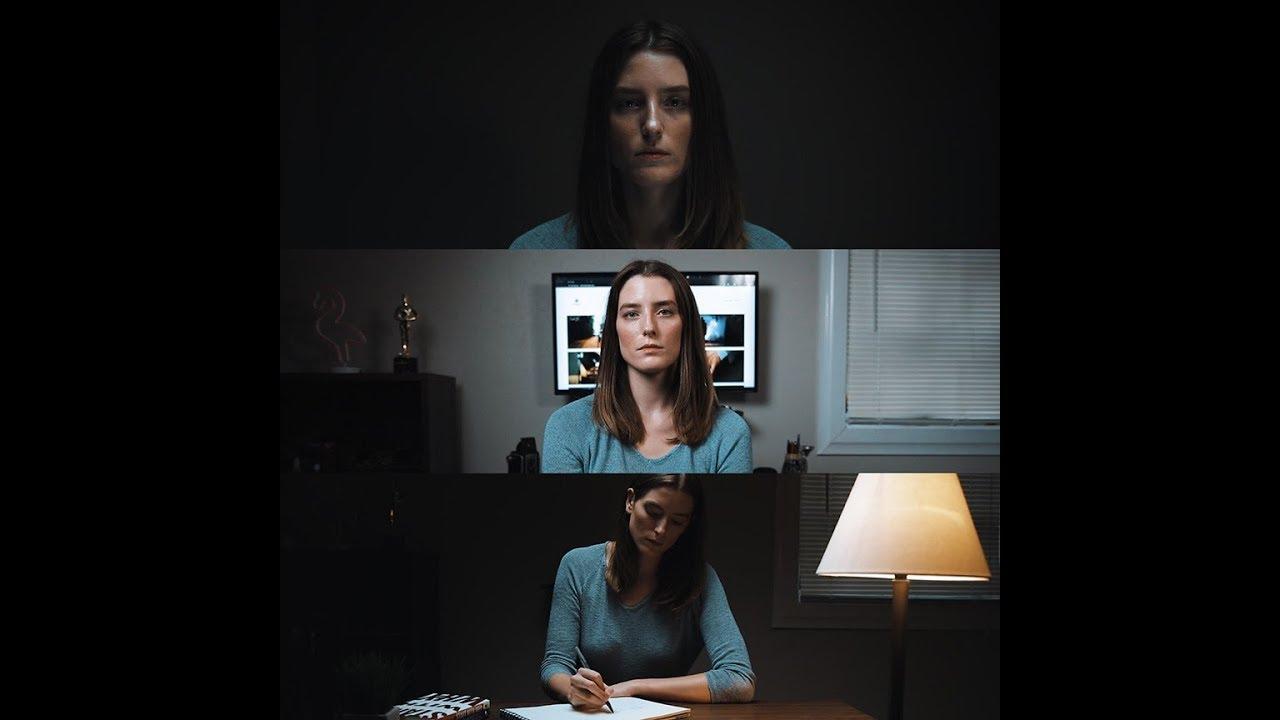
- Layer Your Lighting: Use a combination of key, fill, and backlighting to add depth and dimension to your scenes. This technique can help emphasize the subject while subtly influencing the viewer’s mood.
- Play with Shadows: Shadows are powerful tools in storytelling. Use them creatively to add mystery or highlight conflict. Consider the intensity and direction of shadows to enhance your narrative.
- Adjust Light Intensity: Modify the brightness to suit the scene’s emotional tone. Soft, diffused lighting can create a serene and calming atmosphere, while harsh, direct lighting might increase tension or urgency.
- Incorporate Practical Lights: Integrate elements like lamps, candles, or neon signs into your set design. These can serve as both functional and aesthetic tools, enriching the visual texture and supporting the storyline.


