
In the dimly lit theater, a collective shiver runs through the audience as the sound of a creaking door echoes ominously. It’s not just the visual suspense that grips us in horror films, but the unseen maestro orchestrating fear through sound. From the subtle whisper of wind to the jarring clash of cymbals, sound editing plays an indispensable role in crafting the spine-chilling atmospheres that leave us clutching our seats. This article delves into the art and science of sound editing in horror cinema, exploring how these auditory elements transform ordinary scenes into unforgettable nightmares.
Crafting Atmosphere: The Subtle Art of Auditory Manipulation
In the dimly lit corridors of horror cinema, sound editing emerges as an unsung hero, weaving a tapestry of tension and dread that lingers long after the credits roll. The strategic use of sound can transform an ordinary scene into a nerve-wracking experience, as every creak, whisper, and distant echo is meticulously crafted to evoke fear. This auditory manipulation taps into primal instincts, with the subtle layering of sounds designed to play on our innate fears. It’s not just about the jump scares; it’s the unsettling silence that precedes them, the barely audible heartbeat that mirrors our own, or the eerie whispers that send shivers down the spine.
- Ambient Soundscapes: Create an immersive environment that heightens suspense.
- Silence: Used strategically to amplify the impact of sudden sounds.
- Distorted Audio: Warps reality, making the audience question what they hear.
- Diegetic vs. Non-diegetic: Blurs the line between the film’s world and the audience’s perception.
Through these techniques, sound editors craft a world where every sound is a potential threat, leaving audiences on edge and attuned to the nuances of noise. It’s this delicate balance of sound that turns the abstract fear of the unknown into a visceral, heart-pounding experience.
Silence Speaks: Harnessing Quiet to Amplify Fear
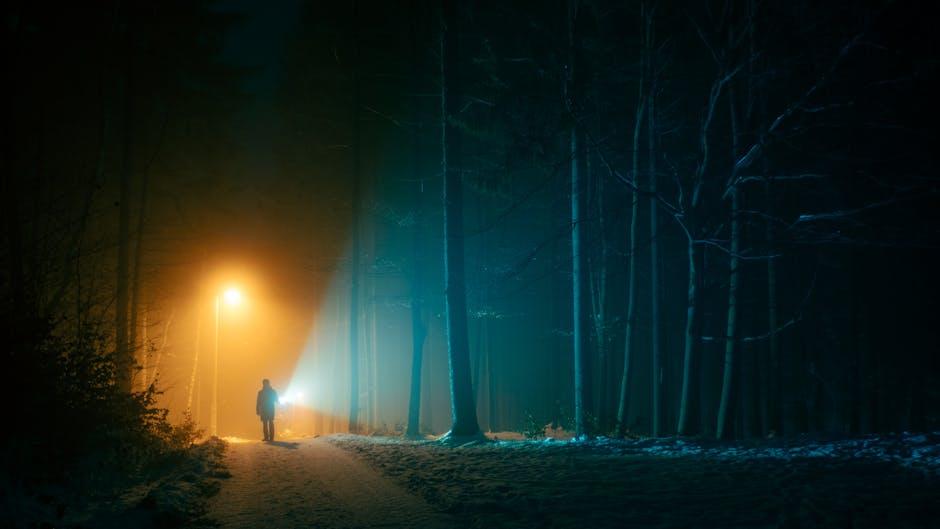
In the world of horror cinema, silence is a powerful tool that can heighten tension and evoke fear. By strategically incorporating quiet moments, filmmakers create a stark contrast that amplifies the impact of sudden sounds or movements. This technique can be more unsettling than a constant barrage of noise, allowing audiences to fill the void with their own imaginations, which often conjure up more terrifying scenarios than anything shown on screen.
- Anticipation: Silence builds suspense, making viewers hyper-aware of every creak or whisper.
- Isolation: Quiet moments can emphasize a character’s solitude, enhancing feelings of vulnerability.
- Unexpected Jumps: A sudden break in silence can lead to effective jump scares, catching audiences off guard.
Sound editors use silence as a canvas, carefully crafting an auditory experience that plays with viewers’ instincts and emotions. By manipulating the absence of sound, they create an environment where every noise feels significant, pulling audiences deeper into the narrative and keeping them on edge.
The Science of Sound: Understanding Frequency and Fear
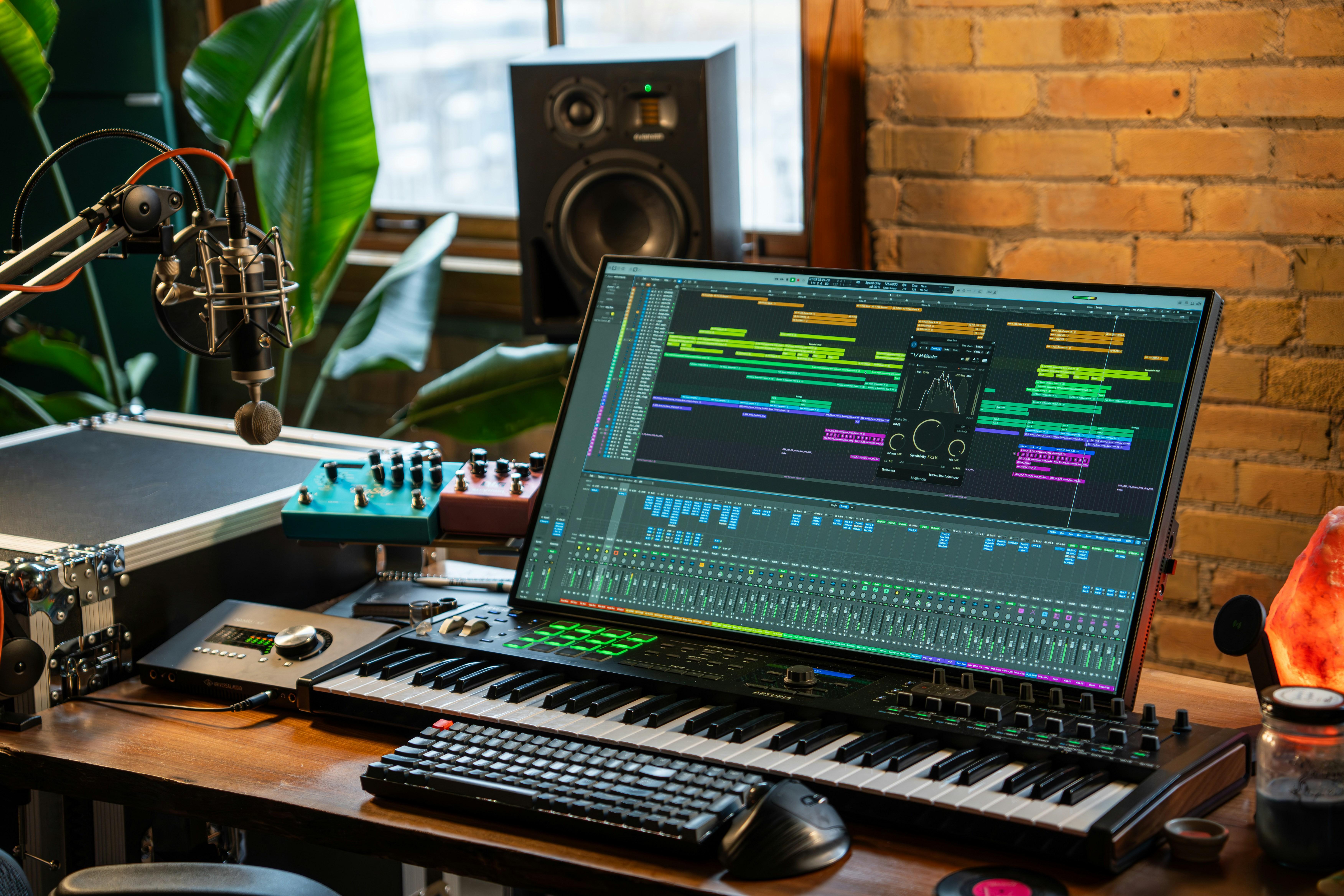
In the eerie world of horror cinema, sound is a master manipulator of emotion, and its power lies in the science of frequency. Frequency, the number of sound wave cycles per second, is a critical element in crafting the spine-chilling atmosphere that horror films are known for. Lower frequencies, often below the range of human hearing, can evoke a sense of unease and fear. This is due to the way our brains interpret these vibrations as signals of danger, tapping into primal instincts.
Sound editors exploit this by weaving together an auditory tapestry that includes:
- Infrasound: Subtle, low-frequency sounds that create tension and anxiety without being consciously heard.
- Dissonant tones: Clashing frequencies that unsettle the listener, often used in scenes of suspense.
- Sudden silence: The absence of sound that heightens anticipation and fear, preparing the audience for a jump scare.
By meticulously adjusting these frequencies, sound editors play on our deepest fears, transforming ordinary scenes into haunting experiences that linger long after the credits roll.
Practical Techniques: Elevating Terror Through Audio Innovation
- Dynamic Layering: Combining multiple sound elements can create a rich tapestry of tension. By layering ambient noise with subtle, eerie soundscapes, filmmakers can evoke a subconscious sense of unease. Consider the quiet rustle of leaves paired with distant whispers—this blend subtly signals to the audience that something sinister lurks just out of sight.
- Unexpected Silence: Silence, when used strategically, can be as terrifying as any loud crash. By removing all sound, the viewer is forced to focus intently, heightening their anticipation. This technique allows the audience’s imagination to run wild, often leading to a more profound fear than any visual element could achieve.
- Manipulation of Familiar Sounds: Altering everyday sounds can twist the ordinary into something unsettling. A child’s laughter, when slowed or distorted, becomes haunting. This manipulation taps into the audience’s primal fears, making them question the reliability of their senses.
Innovative audio techniques breathe life into the unseen horrors of cinema. By leveraging these methods, sound editors can transform simple scenes into unforgettable nightmares, embedding fear deep within the psyche of the audience.


