
In the ever-evolving landscape of cinema, storytelling has ventured beyond the traditional linear path, embracing a more intricate, non-linear approach. This year’s standout films have not only captivated audiences with their innovative narratives but have also posed unique challenges for editors tasked with weaving these complex tales. As filmmakers push the boundaries of time and perspective, the art of editing becomes both a puzzle and a canvas, demanding precision, creativity, and an intuitive grasp of storytelling rhythm. This article delves into the nuanced challenges faced by editors in crafting coherent, engaging narratives from the fragmented brilliance of non-linear storylines, shedding light on the techniques and insights that brought this year’s best films to life.
Crafting Complexity Understanding the Intricacies of Non-Linear Narratives
Editing non-linear narratives demands a keen eye and a profound understanding of storytelling’s ebb and flow. This year’s top films showcase a tapestry of scenes that defy traditional chronology, requiring editors to weave a seamless experience from fragmented timelines. The challenge lies in maintaining cohesion while preserving the emotional resonance of each moment. By artfully juxtaposing past, present, and future, editors must ensure that each scene enhances the narrative’s depth and complexity.
- Maintaining Narrative Clarity: Ensuring the audience can follow the story without getting lost in its temporal shifts.
- Emotional Continuity: Balancing emotional arcs across disjointed timelines to keep viewers engaged.
- Symbolic Layering: Using visual and thematic motifs to connect disparate moments and enhance storytelling.
These intricacies demand not just technical skill but a creative intuition that aligns with the director’s vision. The editor becomes a silent storyteller, crafting a journey that transcends linear constraints and invites audiences into a world where time is as fluid as the narrative itself.

The Editors Toolkit Techniques for Seamless Temporal Transitions
Crafting seamless temporal transitions in non-linear storylines requires a deft touch and an understanding of the narrative’s rhythm. Editors employ a variety of techniques to guide audiences through time shifts without losing the thread of the story. One effective method is the use of visual motifs. By repeating certain images or colors, editors can subtly signal a shift in time while maintaining a sense of continuity.
Another crucial technique is the strategic use of sound design. A consistent audio cue or musical theme can bridge disparate timelines, creating a cohesive auditory experience. Additionally, editors often rely on match cuts to draw parallels between different time periods. These cuts not only highlight thematic connections but also provide a smooth visual transition that keeps viewers engaged. Embracing these tools allows editors to weave complex, non-linear narratives into a cohesive and compelling cinematic experience.
- Visual Motifs: Repeated images or colors to signal time shifts.
- Sound Design: Consistent audio cues to bridge timelines.
- Match Cuts: Visual parallels for smooth transitions.

Balancing Tension Maintaining Audience Engagement Through Fragmented Storytelling
In the realm of non-linear storytelling, editors face the unique challenge of weaving disparate narrative threads into a cohesive whole while keeping the audience invested. This technique, often employed in this year’s standout films, requires a delicate balance of tension and resolution. The key is to maintain a rhythm that keeps viewers on the edge of their seats, curious yet not confused. Editors achieve this by strategically placing plot points and character developments, ensuring that each scene serves as a breadcrumb leading to the larger narrative puzzle.
To successfully engage audiences, editors often rely on several techniques:
- Intentional Disruption: Breaking the linear flow to introduce twists and revelations at unexpected moments.
- Parallel Storylines: Juxtaposing multiple narratives to highlight thematic connections and contrasts.
- Strategic Pacing: Adjusting the tempo to build suspense and provide necessary breathing space.
By mastering these methods, editors transform fragmented narratives into compelling cinematic experiences, inviting viewers to actively participate in piecing together the story.
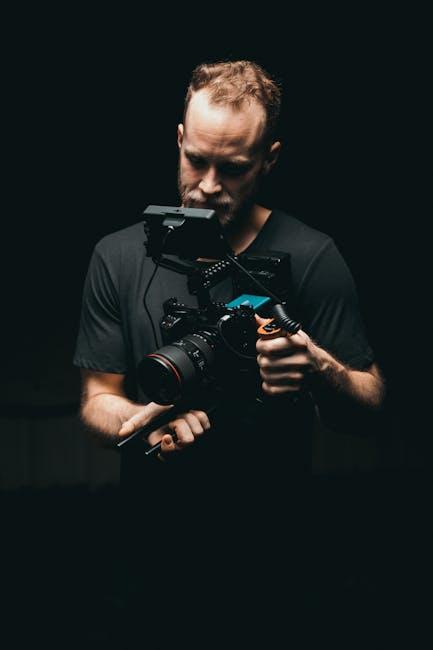
Mastering the Puzzle Strategic Recommendations for Non-Linear Film Editing
In the realm of non-linear film editing, piecing together a narrative is akin to solving a complex puzzle. To navigate this intricate process, editors must employ a blend of creativity and strategic thinking. Here are some key recommendations:
- Establish Clear Story Arcs: Despite the non-linear approach, maintaining clear and compelling story arcs is essential. Editors should identify the core themes and ensure these are consistently woven throughout the film.
- Utilize Visual and Auditory Cues: Strategic use of visual motifs and sound design can guide audiences through the timeline shifts, creating a cohesive viewing experience.
- Balance Mystery and Clarity: It’s crucial to strike a balance between keeping the audience intrigued and providing enough context to prevent confusion. Strategic reveals and callbacks can enhance engagement.
Mastering these strategies can transform a non-linear narrative from a potential jumble into a captivating tapestry, allowing the audience to savor the full depth of the story.


