
In the dim glow of a theater, as the opening credits roll, an unseen symphony begins to play. It’s not just the orchestral score that sweeps through the room; it’s the subtle rustle of leaves, the distant rumble of thunder, the gentle whisper of a character’s breath. This is the art of sound design—a craft that transforms a film from mere moving pictures into an immersive sensory journey. In modern cinema, sound design has evolved into an intricate tapestry that weaves emotion, tension, and depth into every scene. This article delves into how these auditory elements elevate the audience experience, turning each film into a vivid, unforgettable tapestry of sound and story.
Crafting Immersive Soundscapes for Emotional Impact
In the realm of modern cinema, sound design is a powerful tool that shapes the emotional landscape of a film. By weaving together layers of ambient sounds, dialogue, and music, sound designers craft immersive environments that resonate deeply with audiences. The subtle hum of a cityscape, the whisper of wind through trees, or the distant roll of thunder can evoke emotions that visuals alone cannot achieve. These auditory elements work in harmony to draw viewers into the narrative, creating a visceral connection to the story.
- Dynamic Range: The contrast between silence and sound heightens tension and releases emotion.
- Spatial Awareness: Surround sound techniques place audiences at the heart of the action.
- Sonic Motifs: Recurring sounds or musical themes reinforce character arcs and plot developments.
Through these techniques, sound design not only enhances storytelling but also transforms the cinematic experience into an emotionally engaging journey.
The Art of Sonic Storytelling: Techniques and Innovations
In the realm of modern cinema, sound design serves as a crucial narrative device, transforming the viewer’s experience from mere observation to full immersion. The nuanced craft of sonic storytelling involves a blend of traditional techniques and cutting-edge innovations, creating an auditory landscape that is both intricate and evocative. Sound designers meticulously layer ambient sounds, dialogue, and music to craft an emotional tapestry that complements the visual storytelling. This auditory dimension adds depth to characters and settings, allowing audiences to feel the tension of a whispered secret or the relief of a gentle breeze.
- Layered Soundscapes: Combining natural and synthetic sounds to create a rich auditory environment.
- Dynamic Range: Using volume and frequency to evoke emotion and highlight key narrative moments.
- Innovative Technology: Employing spatial audio and Dolby Atmos to place the audience at the center of the action.
- Symbolic Sound Motifs: Repeating specific sounds to reinforce themes or character arcs.
By leveraging these techniques, filmmakers ensure that every rustle of leaves or distant thunderstorm contributes to the story’s emotional impact. This artful manipulation of sound not only enhances the narrative but also fosters a more engaging and memorable cinematic experience.

Harnessing Technology: Elevating Sound Design in Film
In the realm of modern cinema, sound design plays a pivotal role in shaping the audience’s emotional journey. By leveraging cutting-edge technology, sound designers can craft auditory landscapes that are as intricate and immersive as the visuals on screen. Digital audio workstations (DAWs) and advanced sound libraries have become essential tools, enabling creators to manipulate sound with unprecedented precision and creativity.
Today’s filmmakers utilize technology to create soundscapes that are both immersive and expressive. Here are some ways technology elevates sound design in film:
- 3D Audio: Surround sound systems and binaural recording techniques provide a multi-dimensional audio experience, making viewers feel like they are part of the action.
- Real-time Processing: Advanced software allows for real-time sound manipulation, enabling designers to experiment and iterate quickly.
- AI Integration: Artificial intelligence is being used to analyze and generate sound effects, offering new possibilities for creativity and efficiency.
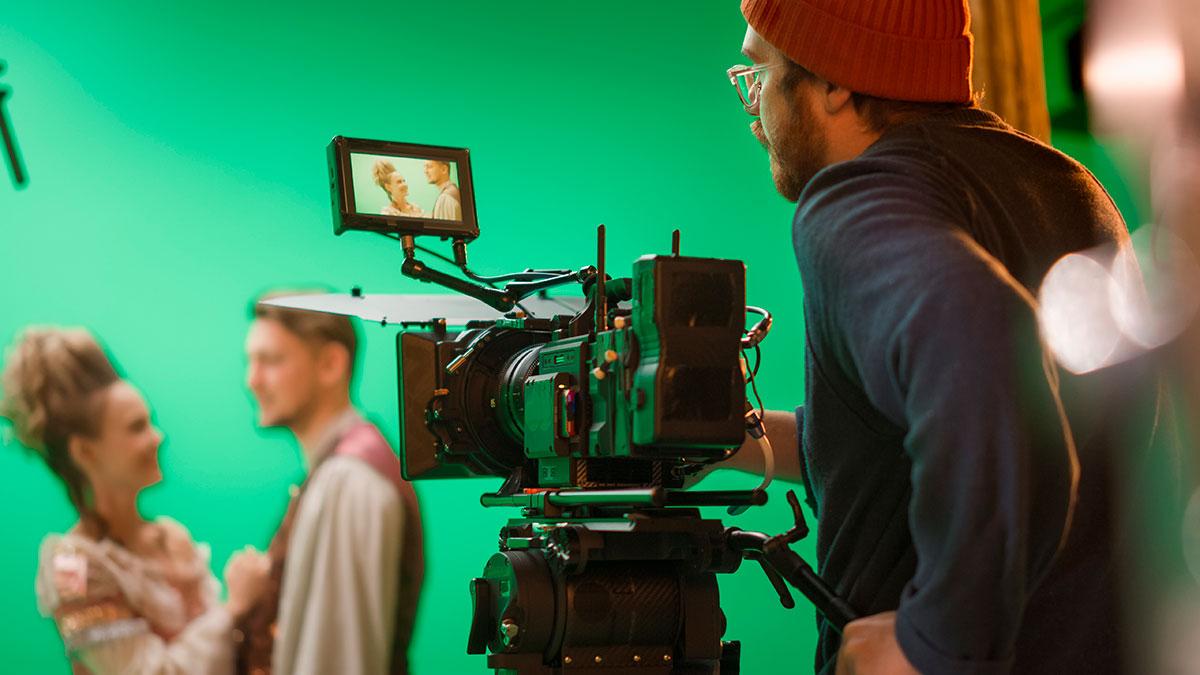
Practical Tips for Filmmakers: Integrating Sound with Vision
Integrating sound with vision is a delicate dance that can elevate a film from ordinary to extraordinary. Here are some practical tips to seamlessly blend these two elements:
- Pre-visualization with Sound: Before shooting, visualize scenes with potential soundscapes. Consider how ambient noise, dialogue, and music will interact with the visuals.
- On-Set Sound Recording: Capture high-quality audio on set to minimize post-production fixes. Use boom mics and lavaliers strategically to ensure clear dialogue and authentic ambient sound.
- Layering in Post-Production: In editing, layer sounds to create depth. Use Foley effects to enhance realism and manipulate soundscapes to evoke emotions.
- Dynamic Range: Utilize dynamic range to your advantage. Balance quiet moments with impactful sound bursts to guide the audience’s emotional journey.
- Collaboration: Work closely with sound designers and composers. Their expertise can transform a scene, ensuring the auditory elements complement the visual narrative.
By thoughtfully integrating sound with visuals, filmmakers can craft immersive experiences that resonate with audiences on multiple sensory levels.


