
In the dim glow of a theater, as the opening frames flicker to life, audiences are whisked away into realms both familiar and fantastical. Yet, beyond the captivating performances and stunning visuals lies a silent architect: the art of editing. In today’s cinematic landscape, advanced editing techniques have become the unsung heroes, transforming raw footage into intricate tapestries of emotion and story. This article delves into how these sophisticated methods elevate modern film narratives, crafting experiences that resonate deeply with viewers and redefine the boundaries of storytelling. Join us as we explore the cutting-edge tools and visionary approaches that shape the films of our era.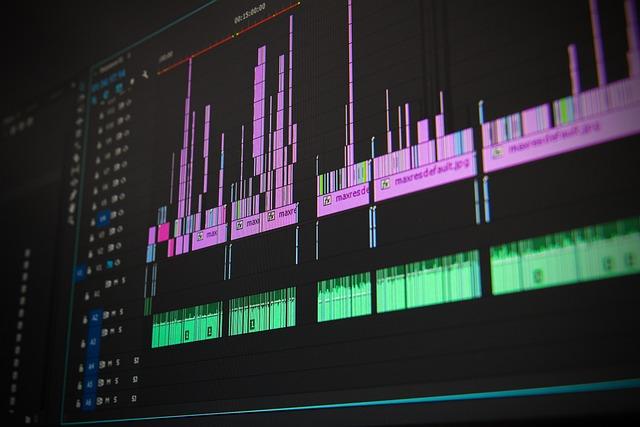
Crafting Emotion Through Cutting Techniques
In the realm of modern cinema, the way a scene is cut can evoke profound emotions, transforming a simple narrative into an immersive experience. Jump cuts, for instance, can inject a sense of urgency and disorientation, perfectly mirroring a character’s inner turmoil. This technique, by creating abrupt transitions, pulls the audience into a whirlwind of emotions, making them feel the chaos experienced by the protagonist.
Conversely, lingering shots allow moments to breathe, giving viewers the space to absorb the depth of a scene. This technique can be particularly powerful in emotional climaxes, where the silence between cuts becomes a language of its own. Filmmakers often employ these strategies to weave a tapestry of emotions, utilizing editing as a storytelling tool that speaks louder than words.
- Cross-cutting: Builds tension by alternating between different scenes.
- Montage: Conveys passage of time and emotional growth.
- Match cuts: Create visual and emotional continuity.
 Color Grading to Enhance Storytelling”>
Harnessing Color Grading to Enhance Storytelling
In the realm of modern cinema, color grading has emerged as a powerful tool to subtly influence audience emotions and underscore narrative themes. By manipulating hues, saturation, and contrast, filmmakers can craft a visual language that complements and enhances the storyline. Consider the moody blues of a thriller or the warm, golden tones of a nostalgic drama; each palette is meticulously chosen to evoke specific feelings and immerse viewers deeper into the world on screen.
- Emotion Amplification: Colors can intensify the emotional impact of a scene, making joy more vivid or sorrow more poignant.
- Symbolism and Themes: Specific colors can symbolize key themes, such as red for passion or danger, subtly reinforcing the narrative.
- Period and Setting: Through color grading, films can authentically recreate different eras or highlight unique settings, enhancing the storytelling experience.
Ultimately, the strategic use of color grading transforms film from a mere visual medium into a vibrant tapestry of emotion and meaning, proving indispensable in crafting compelling stories that resonate with audiences long after the credits roll.
Sound Design: The Invisible Narrator
In the realm of cinema, sound design acts as an invisible narrator, guiding audiences through a story without uttering a single word. This subtle art form goes beyond dialogue and music, weaving a tapestry of ambient sounds, Foley effects, and silence that elevates the emotional depth and realism of a film. The rustle of leaves, the distant murmur of city life, or the haunting echo of footsteps can evoke emotions, set the pace, and build tension, all while remaining unnoticed by the conscious mind.
- Atmosphere Creation: A carefully crafted soundscape immerses viewers into the world, making locations feel alive and dynamic.
- Character Insight: Unique auditory cues can provide subtle insights into a character’s internal state, enhancing narrative depth.
- Pacing and Tension: Rhythmic sound patterns and abrupt silences are employed to manipulate the audience’s emotional journey.
Sound designers, with their advanced editing techniques, are the unsung heroes who transform simple scenes into complex narratives, ensuring every auditory element contributes to the story’s progression. Their work is a masterclass in storytelling, unseen but profoundly felt.

Seamless Transitions: Bridging Scenes and Emotions
In the realm of modern filmmaking, the art of editing has transcended mere technical skill, becoming a pivotal tool for storytelling. The magic lies in creating seamless transitions that not only link scenes but also weave together the emotional tapestry of a narrative. These transitions can take various forms, such as a match cut that elegantly shifts the audience’s focus from one moment to another, or a cross-dissolve that subtly blends emotions, enhancing the depth of the story.
- Match Cut: Aligns similar visual elements to draw parallels between scenes.
- Cross-Dissolve: Gradually merges two scenes to evoke a smooth emotional shift.
- Sound Bridges: Uses audio to connect disparate scenes, maintaining narrative flow.
- Graphic Match: Links scenes through consistent shapes or colors, reinforcing thematic continuity.
Through these techniques, editors craft an immersive experience that guides viewers effortlessly through the narrative, ensuring that each emotional beat resonates with precision and purpose.


