
In the grand arena of blockbuster cinema, where visual spectacle reigns supreme, a silent question echoes through the corridors of creative decision-making: Is sound quality being sacrificed at the altar of breathtaking visuals? As audiences are dazzled by jaw-dropping effects and larger-than-life scenes, the intricate dance between sight and sound often goes unnoticed. This article delves into the heart of this cinematic conundrum, exploring whether the thunderous explosions and sweeping vistas come at the cost of sonic richness. Join us as we journey behind the scenes to uncover the delicate balance—or imbalance—between what we see and what we hear in the world of modern filmmaking. Visual Grandeur vs. Sonic Clarity”>
Balancing the Scales: Visual Grandeur vs. Sonic Clarity
In the realm of modern cinema, the pursuit of visual splendor often stands as a towering priority. Filmmakers are drawn to the allure of cutting-edge CGI, immersive 3D effects, and expansive set designs that captivate audiences worldwide. Yet, amid this quest for visual magnificence, the auditory experience can sometimes find itself overshadowed. The delicate art of sound design, with its potential for intricate storytelling, risks being compromised in favor of eye-popping visuals.
Consider the elements at play:
- Dialogue Intelligibility: In the midst of explosive sequences, dialogue can become muddled, leaving audiences straining to catch crucial plot points.
- Soundtrack Balance: The intricate layering of soundtracks can clash with dialogue and effects, causing an overwhelming auditory experience.
- Dynamic Range: Blockbusters often employ extreme dynamics, which can lead to jarring transitions between quiet and loud scenes.
Striking a harmonious balance between visual and sonic elements is essential. While the eyes feast on spectacle, the ears yearn for clarity, and the true magic of cinema lies in the seamless fusion of both.

Behind the Scenes: How Sound Teams Navigate the Visual-First Approach
In the world of blockbuster filmmaking, the emphasis often leans heavily towards dazzling visuals. However, this visual-first approach presents unique challenges for sound teams striving to maintain high-quality audio. Sound designers and engineers must adapt and innovate, crafting audio landscapes that complement and enhance the visual narrative. They work meticulously to ensure that sound doesn’t just support the picture but adds depth and emotion, elevating the overall experience.
- Creative Problem Solving: Sound teams employ advanced technology and innovative techniques to synchronize audio with fast-paced visual sequences.
- Collaboration: Close collaboration with directors and visual effects teams ensures that sound elements align seamlessly with the visual spectacle.
- Prioritizing Clarity: Despite the complexity of visuals, clarity and precision in sound are prioritized to ensure dialogue and key audio cues are never lost.
Ultimately, sound teams are the unsung heroes, bridging the gap between sight and sound to create a cohesive cinematic experience.
Crafting the Perfect Mix: Techniques to Elevate Auditory Experience
- Layering Sounds: Creating a rich auditory landscape involves more than just mixing dialogue, music, and effects. By layering subtle ambient sounds, filmmakers can craft a more immersive experience. This technique enhances realism and depth, drawing the audience into the world beyond the screen.
- Dynamic Range: Skillful manipulation of dynamic range ensures that every whisper and explosion is delivered with clarity. Maintaining a balance prevents overwhelming the audience, allowing them to appreciate both the quiet nuances and the dramatic crescendos.
- Spatial Audio: With advancements in technology, spatial audio has become a game-changer. This technique uses three-dimensional soundscapes to guide viewers’ attention and evoke emotion, transforming a standard viewing into a multi-sensory experience.
In the quest for visual grandeur, sound should not be relegated to the background. By employing these techniques, filmmakers can ensure that their auditory elements not only complement the visuals but also stand as a powerful storytelling tool in their own right.
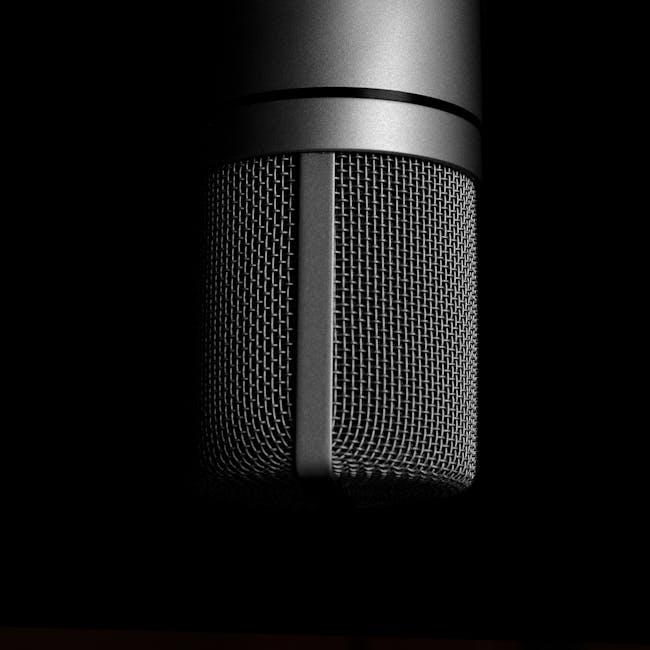
Harmonizing Senses: Recommendations for Enhancing Sound in Blockbusters
To truly elevate the auditory experience in blockbusters, filmmakers should consider a multifaceted approach that harmonizes sound with the visual narrative. Here are some recommendations to enhance sound quality without overshadowing the visual elements:
- Dynamic Soundscapes: Employing a range of soundscapes can create a more immersive experience. This includes the strategic use of silence, subtle ambient sounds, and dynamic shifts that mirror the on-screen action.
- Layered Audio Design: Integrating multiple layers of sound can add depth. Consider the interplay between dialogue, sound effects, and music, ensuring each layer complements rather than competes.
- Innovative Technology: Leveraging advancements in audio technology, such as Dolby Atmos or binaural sound, can offer audiences a richer, more enveloping sound experience.
- Collaborative Efforts: Encouraging collaboration between sound designers, composers, and directors can lead to a more cohesive and impactful soundscape that enhances the storytelling.
By prioritizing these elements, filmmakers can create a symphony of sound that matches the visual grandeur, ensuring audiences are fully engaged in the cinematic journey.


