
In the world of filmmaking, where scripts are meticulously crafted and storyboards meticulously plotted, there exists an unscripted magic that often breathes life into scenes: improvisation. This spontaneous art form, woven into the fabric of production, holds the power to transform a rigid narrative into a living, breathing masterpiece. As actors and directors dance on the edge of the unknown, they discover moments of authenticity and surprise that can redefine the essence of a scene. This article delves into the pivotal role improvisation plays during production, exploring how these unplanned sparks of creativity can elevate storytelling to unforeseen heights.
Unlocking Creativity: The Impact of Spontaneity on Scene Development
In the realm of scene development, embracing spontaneity can be a catalyst for unlocking hidden creative potential. Improvisation allows actors and directors to explore new dimensions within a scene, often leading to unexpected moments of brilliance. By stepping away from rigid scripts, the cast can infuse authenticity and genuine emotion into their performances, creating a more immersive experience for the audience.
- Enhanced Character Depth: Actors can discover nuances in their characters by responding instinctively to their surroundings.
- Dynamic Interactions: Unscripted exchanges can lead to organic chemistry and compelling dialogue.
- Fresh Perspectives: Spontaneous creativity encourages innovative storytelling, offering fresh angles and plot twists.
By fostering an environment where improvisation is encouraged, filmmakers can tap into a wellspring of creativity that enriches the narrative, ensuring each scene is as vibrant and engaging as the last.

Balancing Script and Spontaneity: Techniques for Seamless Integration
Incorporating improvisation within a scripted framework requires a delicate dance between structure and freedom. Directors and actors often use specific techniques to blend these elements seamlessly, ensuring that the essence of the script is preserved while allowing for the organic development of scenes. Here are some effective strategies:
- Guided Improvisation: Actors are given the freedom to explore their characters’ reactions and dialogues within the boundaries of the scene’s objectives, allowing for unexpected yet fitting moments.
- Dynamic Blocking: Directors encourage actors to experiment with movement and positioning, which can lead to more authentic interactions and a natural flow of action.
- Feedback Loops: Continuous communication between the director, actors, and writers helps refine improvisational elements, integrating them back into the script for a cohesive narrative.
This balance not only enriches the storytelling process but also keeps the creative energy vibrant, making each take a potential masterpiece.

Cultivating an Adaptive Mindset: Encouraging Improvisation on Set
In the dynamic world of film production, the ability to adapt is crucial. Embracing an adaptive mindset encourages actors and directors to step beyond the confines of the script, opening up opportunities for genuine, spontaneous moments. Improvisation can breathe new life into scenes, allowing for organic interactions that might otherwise be lost. This approach fosters a creative environment where collaboration thrives, and unexpected brilliance can emerge.
- Enhances Authenticity: Improvised dialogue often feels more natural, capturing the true essence of a character.
- Boosts Creativity: Encourages cast and crew to think on their feet, leading to innovative solutions and unique scene developments.
- Builds Team Cohesion: Working together in an improvisational setting can strengthen relationships and trust among team members.
By prioritizing flexibility and creativity, productions can harness the power of improvisation to craft memorable, impactful scenes that resonate with audiences.
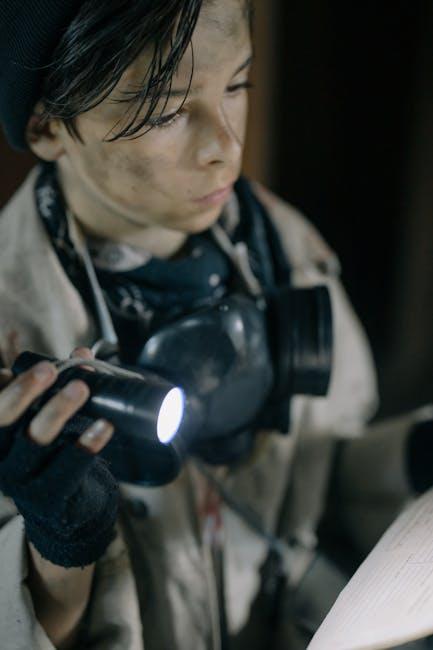
Crafting Authenticity: How Improvised Moments Enhance Storytelling
In the realm of filmmaking, the magic often lies in the unscripted, those unexpected moments where actors step outside the confines of the script and breathe life into their characters. Improvisation serves as a powerful tool, allowing actors to explore and expand their roles, creating scenes that feel genuine and spontaneous. These impromptu interactions can infuse a story with authenticity, making it resonate more deeply with audiences.
- Character Depth: Improvisation allows actors to delve into their characters, exploring motivations and emotions that may not be explicitly detailed in the script.
- Organic Dialogue: Unscripted moments can produce dialogue that feels more natural, capturing the way people truly speak and interact.
- Emotional Resonance: When actors react in real-time, their emotions are raw and unscripted, often leading to more powerful and memorable scenes.
Through these spontaneous interactions, directors and actors craft scenes that transcend the written word, transforming scripted moments into vivid, memorable experiences.


