
Under the shimmering lights of Hollywood, where stories come alive and dreams are spun into reality, a quiet debate stirs behind the scenes: should actors be involved in rewriting scripts during production? This intricate dance between script and performance is as old as cinema itself, yet the question remains both compelling and contentious. As directors aim to preserve their vision and writers defend their crafted narratives, actors often find themselves at the intersection of creativity and collaboration. This article delves into the heart of this artistic conundrum, exploring the potential impacts and implications of allowing actors to reshape the words that define their roles. Join us as we unravel this complex tapestry, balancing artistic integrity with creative evolution.
The Art of Collaboration: Actors and Script Revisions
When a film or television production is underway, the script often becomes a living document, evolving with input from various creative minds. Actors, with their deep immersion in their characters, can offer invaluable insights during this process. Engaging them in script revisions can lead to richer, more authentic storytelling. However, this collaboration must be approached with a clear understanding of roles and boundaries.
- Character Depth: Actors bring a unique perspective to their roles, often uncovering nuances that might not be evident on the page. Their suggestions can enhance dialogue, making it more natural and aligned with the character’s voice.
- Creative Synergy: When actors collaborate with writers and directors, it fosters a creative synergy. This partnership can lead to unexpected breakthroughs, transforming scenes in ways that resonate more deeply with audiences.
- Respect for Vision: While actor input can be beneficial, it’s crucial to maintain respect for the original vision of the writers and directors. A balanced approach ensures that the narrative remains cohesive and true to its intended path.
Ultimately, the art of collaboration in script revisions is about leveraging the strengths of each participant. When done effectively, it can elevate the entire production, blending the authenticity of lived experience with the crafted vision of the script.

Balancing Creative Input: Navigating Actor Contributions
In the dynamic world of filmmaking, the collaboration between actors and writers can breathe new life into a script. While the primary role of an actor is to bring the written word to life, their unique perspective can sometimes offer invaluable insights into character development and dialogue. This, however, requires a delicate balance. Encouraging actor input can lead to enriched storytelling, but it’s essential to maintain the original vision and coherence of the script.
- Enhanced Character Depth: Actors who deeply understand their characters may suggest adjustments that add layers and authenticity.
- Improved Dialogue: Sometimes, actors propose dialogue changes that feel more natural or true to the character’s voice.
- Potential Pitfalls: Excessive changes can disrupt narrative flow or create inconsistencies, potentially diverging from the intended storyline.
Ultimately, a collaborative approach can be beneficial, as long as there is a clear framework for integrating contributions. It’s about striking the right balance, ensuring that the actor’s creative input complements rather than complicates the storytelling process.
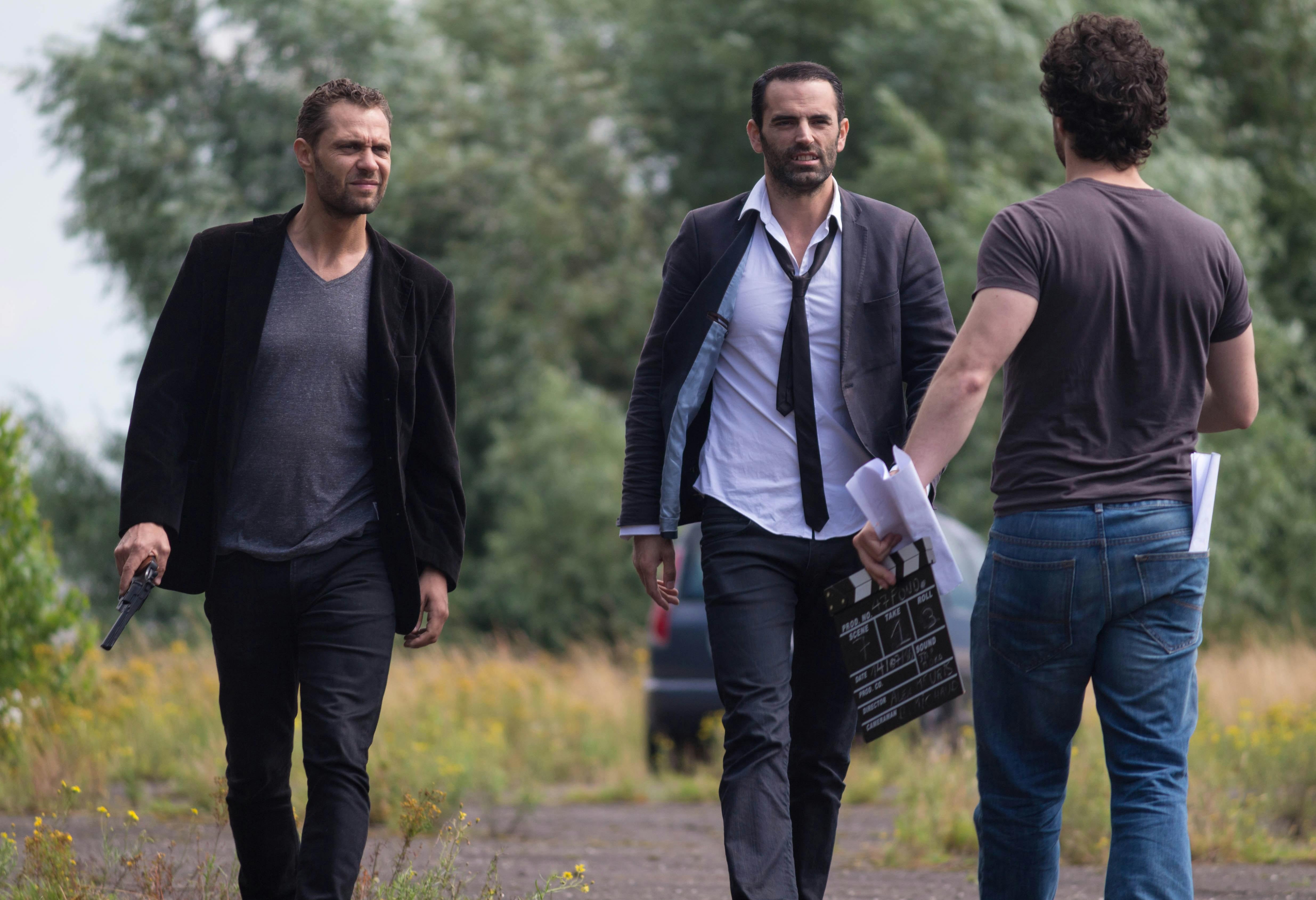
When Stars Rewrite: Evaluating the Impact on Storytelling
The involvement of actors in script rewrites can profoundly reshape the narrative landscape of a film or TV show. When actors bring their unique perspectives to the table, they may infuse characters with a depth that was previously unimagined. This collaborative process can lead to more authentic dialogue and dynamic scenes. However, the delicate balance between preserving the original vision and allowing creative flexibility must be carefully managed.
- Enhanced Character Authenticity: Actors can offer insights into their characters, making them more relatable and real.
- Improved Dialogue: Adjustments suggested by actors can lead to more natural and impactful conversations.
- Creative Tension: Balancing input from actors with the scriptwriter’s vision can sometimes lead to conflicts but often results in a richer narrative.
The impact of these rewrites extends beyond individual scenes, influencing the entire story arc. While some purists may argue that this undermines the scriptwriter’s authority, others see it as an evolution of storytelling, where every contributor’s voice is valued. The key lies in fostering an environment where collaborative creativity can thrive without compromising the core narrative.
Crafting Cohesion: Guidelines for Effective Actor Involvement
In the dynamic world of filmmaking, the role of actors can extend beyond mere performance, delving into the intricacies of script development. Engaging actors in script rewrites can foster a deeper connection to the material, ensuring that dialogue and character motivations resonate authentically. However, this involvement must be approached with care, balancing creative freedom with the director’s vision.
To achieve effective collaboration, consider these guidelines:
- Open Communication: Establish a dialogue between actors, writers, and directors to align on creative goals.
- Defined Boundaries: Clearly outline the extent of actor input to maintain a cohesive narrative structure.
- Focus on Character Insight: Encourage actors to contribute insights that enhance character depth and realism.
By navigating these elements thoughtfully, actors can contribute meaningfully to the storytelling process, enriching the overall cinematic experience.


