
In the vibrant world of film and television, where creativity knows no bounds, on-set pranks have become a legendary tradition. These mischievous antics, often orchestrated by cast members themselves, can spark laughter and camaraderie, but they also walk a fine line. Do these playful disruptions serve as a catalyst for bonding, infusing the set with joy and easing the pressures of production? Or do they risk fraying nerves and creating tension among a cast striving for harmony? This article delves into the double-edged nature of on-set pranks, exploring their potential to both uplift and unsettle, and seeking to uncover the true impact they have on the delicate dynamics of a film set.
Behind the Laughter: Analyzing the Impact of On-Set Pranks
On-set pranks have become a staple in the entertainment industry, often serving as a barometer for the dynamics within a cast. These moments of spontaneous humor can either be a delightful bonding experience or a potential source of underlying tension. When executed with sensitivity and a keen awareness of personal boundaries, pranks can indeed boost morale. They create a relaxed atmosphere, fostering camaraderie and a sense of belonging among cast members. Imagine a scenario where a harmless joke brings genuine laughter, allowing actors to momentarily step away from the pressures of their roles and connect on a personal level.
However, the line between playful jest and discomfort can be thin. Pranks can unintentionally highlight existing tensions or exacerbate underlying issues. Factors influencing the outcome include:
- Intent: A prank with good intentions can bring joy, but one perceived as mean-spirited may do more harm than good.
- Timing: Executing a prank during a high-stress moment might not be well-received.
- Personal Boundaries: Not everyone enjoys being the target of a joke, and respecting individual limits is crucial.
In essence, while pranks have the potential to uplift spirits, they require careful consideration and a genuine understanding of the cast’s dynamics to ensure they serve their intended purpose.
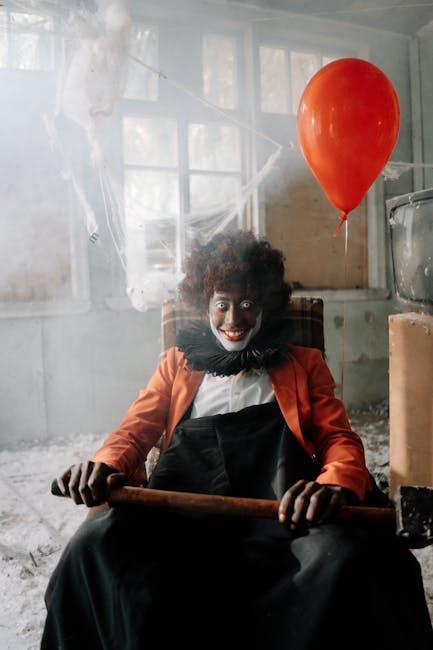
The Fine Line: When Humor Turns to Tension Among Cast Members
While on-set pranks can often lead to laughter and camaraderie, there exists a delicate balance that, if tipped, can transform lighthearted fun into uncomfortable tension. Cast members may relish the spontaneity of a well-executed prank, but the key lies in understanding boundaries and personal dynamics. Humor, after all, is subjective. What might be hilarious to one actor could be perceived as overstepping by another.
Consider the following elements that can determine the outcome of a prank:
- Intent: Is the prank meant to entertain or embarrass?
- Timing: Does it occur during a high-pressure scene or a relaxed break?
- Consent: Are all involved parties comfortable with the idea?
These factors play a crucial role in maintaining harmony. When pranks are executed with sensitivity and mutual respect, they can indeed boost morale, fostering a sense of unity. However, when lines are blurred, they risk breeding resentment, ultimately affecting on-screen chemistry.

Lifting Spirits or Stirring Drama: The Dual Nature of On-Set Shenanigans
On-set pranks can be a double-edged sword, teetering between fostering camaraderie and sparking conflict. For some cast members, a well-timed joke or playful gag can be a breath of fresh air, a way to lighten the mood during long, grueling shoots. These antics often serve as a bonding experience, creating a shared sense of humor and a relaxed atmosphere. Pranks can boost morale by:
- Breaking the monotony of repetitive scenes
- Encouraging spontaneous laughter and joy
- Strengthening team dynamics through shared experiences
However, the line between fun and frustration can be thin. What one person finds hilarious, another might see as disruptive or even disrespectful. Potential downsides include:
- Interrupting the flow of work and focus
- Creating unintended tension among cast and crew
- Offending individuals who prefer a more professional environment
Ultimately, the impact of on-set shenanigans hinges on the personalities involved and the existing team dynamics, making it a delicate balance of humor and harmony.

Crafting a Positive Prank Culture: Guidelines for Cast and Crew
Creating an environment where pranks contribute positively requires a delicate balance and clear guidelines. It’s essential to ensure that humor doesn’t cross the line into discomfort or disruption. Here are some key principles to consider:
- Consent is Key: Always ensure that everyone involved is comfortable with the idea of pranking. A simple check-in can prevent misunderstandings.
- Know Your Audience: Tailor pranks to the personalities and sensitivities of your colleagues. What might be hilarious to one person could be unsettling to another.
- Respect Boundaries: Avoid pranks that could be perceived as personal attacks or that touch on sensitive topics.
- Keep it Light: Opt for pranks that are easy to laugh off and don’t create a mess or require extensive clean-up.
- Timing is Everything: Ensure pranks do not interfere with crucial moments of production or disrupt the workflow.
By establishing a respectful and considerate prank culture, cast and crew can enjoy the camaraderie and bonding that come with shared laughter, enhancing overall morale without sacrificing professionalism.


