
In the cinematic world, where imagination meets reality, technology often plays the silent yet powerful role of the unseen protagonist. From CGI-laden blockbusters to the subtle intricacies of sound design, filmmaking has evolved into a dance with the digital. Yet, as with any intricate choreography, a misstep can reveal the underlying dependencies. Recent technical glitches in high-profile productions have cast a spotlight on the industry’s reliance on technology, prompting a deeper exploration of whether these digital hiccups are merely minor stumbles or indicative of a more profound dependency. As we pull back the curtain, we delve into the symbiotic relationship between filmmakers and their digital tools, examining whether these disruptions are fleeting flaws or fundamental vulnerabilities.
Navigating the Digital Frontier: Understanding Techs Role in Modern Filmmaking
In the age of digital filmmaking, technology has become both an enabler and a potential pitfall. As filmmakers increasingly rely on cutting-edge tech, from CGI to AI-driven editing, the possibility of technical glitches becomes an ever-present concern. These disruptions can expose the underlying dependency on digital tools, challenging creators to maintain their artistic vision amidst potential setbacks. While traditional techniques remain foundational, the integration of new technologies has transformed storytelling, introducing both opportunities and vulnerabilities.
- CGI and VFX: These tools allow for breathtaking visuals but can lead to costly delays if systems fail.
- Digital Editing Suites: Streamline the post-production process yet may suffer from software crashes.
- AI in Scriptwriting: Offers innovative ideas but risks creative homogenization.
Filmmakers must navigate this complex landscape, balancing the advantages of technology with its inherent risks. Embracing a hybrid approach that respects both digital and analog methods may offer the most resilient path forward, ensuring that the magic of cinema endures even in the face of technical adversity.
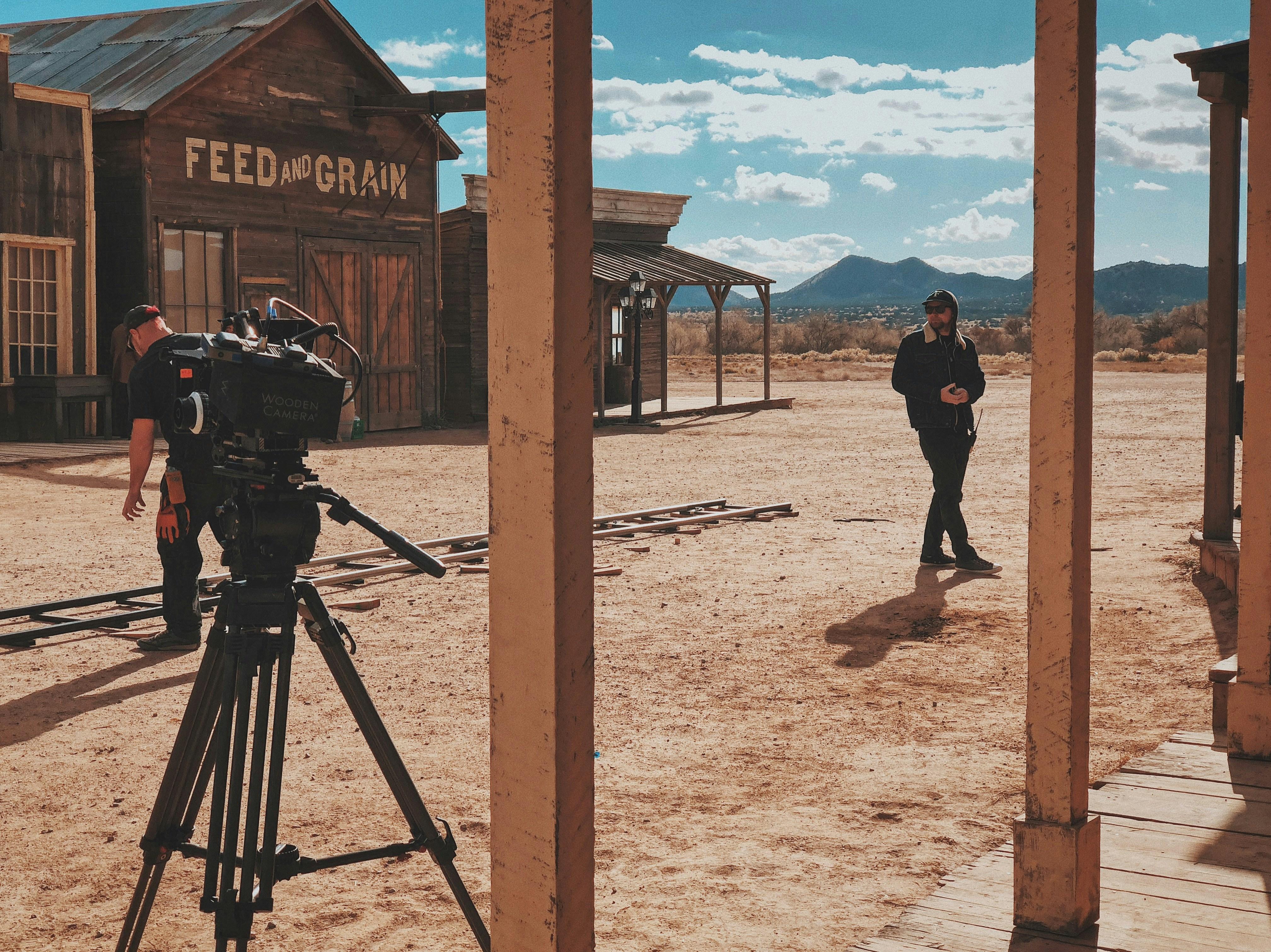
Behind the Screen: How Glitches Reveal Our Dependence on Technology
In the digital age, technical glitches in filmmaking serve as unexpected mirrors reflecting our deep-seated reliance on technology. When a scene freezes or a rendering error sneaks into a finished cut, these disruptions highlight not just the fragility of the process but also our dependency on digital tools. Filmmakers today are heavily reliant on an array of technologies, from high-end cameras and CGI software to editing suites and sound design tools. Each component, while innovative, introduces potential points of failure that can derail even the most meticulously planned productions.
- Visual Effects: Glitches in CGI can alter a viewer’s experience, sometimes transforming a pivotal moment into an unintended spectacle.
- Sound Design: Audio sync issues or unexpected noise artifacts can disrupt narrative flow, underscoring the critical role of seamless sound integration.
- Editing Software: Crashes or data corruption can result in lost footage, emphasizing the necessity of backups and redundancy.
These technological hiccups not only test the resilience and adaptability of filmmakers but also challenge audiences to question the authenticity and reliability of the digital realms they consume. As we continue to weave technology into the fabric of storytelling, each glitch becomes a reminder of both the power and the pitfalls of our digital dependencies.

Crafting Resilience: Strategies for Mitigating Tech Failures in Film Production
In the fast-paced world of film production, the dependence on technology is both a boon and a bane. To build resilience against unforeseen tech failures, filmmakers can adopt several innovative strategies. Diversifying equipment is crucial; by not relying solely on a single brand or type of technology, production teams can reduce the risk of widespread disruption. Implementing regular system checks ensures that equipment is functioning optimally, while backup plans can provide a safety net when primary systems fail.
Embracing cross-training for crew members is another effective approach. By equipping team members with a broad range of skills, productions can maintain momentum even when faced with technical challenges. Encouraging a culture of adaptability and problem-solving helps crews stay agile, allowing them to swiftly navigate unexpected issues. Additionally, establishing a real-time communication network keeps all departments informed and ready to address any glitches that arise. These strategies not only mitigate the impact of tech failures but also foster a more robust and innovative filmmaking environment.

Balancing Act: Integrating Tradition with Innovation in Cinematic Storytelling
In the evolving landscape of filmmaking, the juxtaposition of tradition and innovation presents a unique challenge. Cinematic storytelling has always relied on a delicate blend of narrative depth and technical prowess. However, as technological advancements continue to redefine production processes, the reliance on digital tools sometimes overshadows the art of storytelling itself.
- Technical Overreliance: Recent glitches have highlighted a dependency on technology that can detract from the narrative experience.
- Preserving Authenticity: Filmmakers are exploring ways to maintain the essence of traditional storytelling amidst digital transformation.
- Innovative Techniques: The integration of new technologies can enhance storytelling, but only when balanced with timeless narrative techniques.
Striking this balance requires filmmakers to embrace innovation without losing sight of the foundational elements that have historically captivated audiences. It’s a dynamic interplay where tradition informs technology, and innovation breathes new life into classic storytelling methods.


