
In the world of filmmaking, where every frame is meticulously crafted, the art of improvisation can be both a blessing and a bane. As directors shout “Action!” and actors step into their roles, the unexpected magic of unscripted moments often dances on the edge of genius and chaos. But has this creative freedom become a crutch for cast and crew? This article delves into the intricate balance between spontaneity and structure on set, exploring whether the growing reliance on improvisation is enriching cinematic storytelling or steering it off course. Join us as we navigate the fine line between inspiration and indulgence in the ever-evolving landscape of film production.
Balancing Spontaneity and Script: The Art of Improvisation
In the world of filmmaking, the delicate dance between planned dialogue and off-the-cuff creativity often shapes the final product. While a meticulously crafted script serves as the backbone, improvisation injects a dose of authenticity and freshness. Yet, this artistic freedom can sometimes lead to a slippery slope, where reliance on spontaneity overshadows the narrative structure. The key lies in finding the perfect harmony where both elements coexist, enhancing the story rather than overshadowing it.
Pros of Improvisation:
- Brings a natural flow to conversations
- Allows actors to explore their characters deeply
- Can lead to unexpected and memorable moments
Challenges of Over-reliance:
- Risk of deviating from the intended plot
- Can lead to inconsistencies in character development
- Potential to disrupt the pacing of the film
Ultimately, the art of improvisation lies in its ability to enhance rather than dominate, creating a seamless blend where both spontaneity and script shine.

The Impact of Improvisation on Film Quality and Cohesion
Improvisation can breathe life into a film, infusing it with authenticity and spontaneity. When actors are given the freedom to explore their characters beyond the script, the result can be moments of genuine emotion and surprise. However, this creative liberty can sometimes come at the expense of film quality and cohesion. While a well-timed ad-lib can elevate a scene, excessive reliance on improvisation might lead to inconsistencies in tone and narrative flow. The delicate balance lies in knowing when to embrace the unexpected and when to adhere to the script.
- Authenticity: Improv can create dialogue that feels real and unscripted.
- Spontaneity: Unplanned moments can lead to memorable scenes.
- Inconsistency: Overuse may disrupt the film’s narrative structure.
- Balance: Finding the right mix of scripted and unscripted content is key.
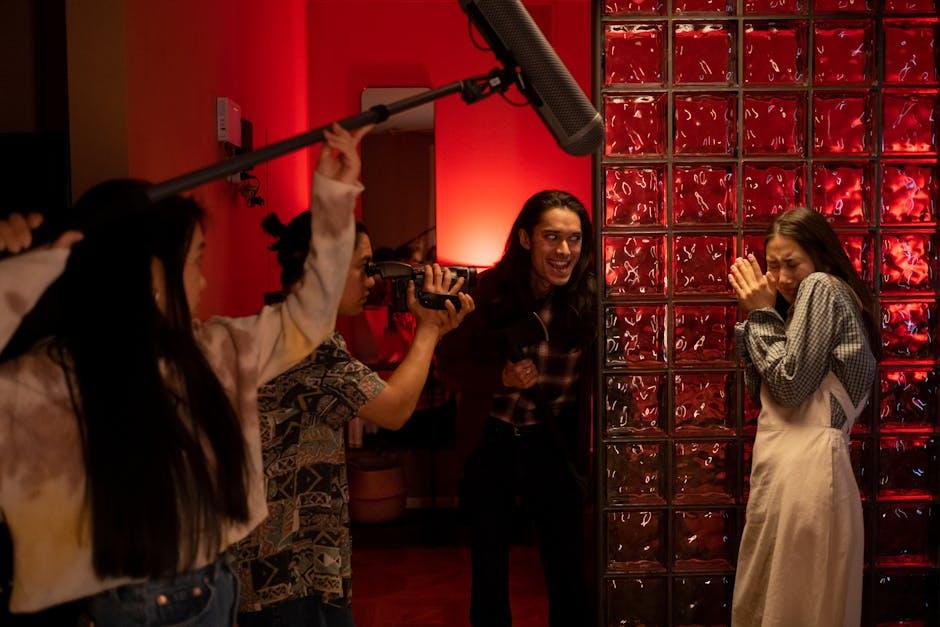
Navigating Challenges: When Improvisation Derails Production
Improvisation can be a powerful tool on set, sparking creativity and bringing unexpected brilliance to a scene. However, when overused, it can become a double-edged sword, leading to potential pitfalls in production. Time management often suffers as spontaneous dialogue and actions can derail tightly scheduled shoots. The ripple effect can lead to extended hours, increased costs, and a frustrated crew.
Moreover, the consistency of narrative can be compromised. While improvisation might yield moments of authenticity, it can also create a patchwork of scenes that lack cohesion. This can pose a challenge in post-production where editors must weave disparate threads into a seamless story. To mitigate these risks, it’s essential for directors to strike a balance, using improvisation strategically while maintaining the integrity of the script.
- Disrupted Timelines: Unplanned scenes can extend shooting schedules.
- Narrative Inconsistency: Improvised moments may not always align with the script.
- Budget Overruns: Additional time and resources can inflate production costs.

Crafting a Harmonious Set: Recommendations for Controlled Creativity
While improvisation can breathe life into a scene, maintaining a balanced set requires a delicate dance between spontaneity and structure. To foster controlled creativity, consider these recommendations:
- Set Clear Boundaries: Establish guidelines for improvisation. Define which scenes can accommodate it and which require strict adherence to the script.
- Encourage Collaborative Input: Invite cast and crew to contribute ideas during pre-production meetings. This ensures everyone is aligned with the creative vision.
- Utilize Rehearsals Wisely: Incorporate improv exercises during rehearsals to explore character depth, while ensuring the core narrative remains intact.
- Implement Feedback Loops: Regularly review dailies with the team to assess the effectiveness of improvised moments, making adjustments as needed.
By weaving these practices into the filmmaking process, directors can harness the energy of improvisation without losing sight of the project’s original intent.


