
In the dim glow of a theater, where shadows dance and flicker across the screen, a silent debate unfolds. It’s a timeless conversation between the eloquence of words and the power of images, each vying for the soul of storytelling. As audiences find themselves captivated by the visceral allure of a well-composed shot or the nuanced cadence of a dialogue-heavy script, filmmakers stand at a crossroads. Should they lean into the art of visual storytelling, allowing images to speak louder than words? Or does the richness of dialogue hold the key to deeper connection and understanding? This article delves into the heart of this cinematic conundrum, exploring the delicate balance between sight and sound in the ever-evolving landscape of film.
Crafting Cinematic Narratives: The Art of Visual Storytelling
In the realm of filmmaking, the power of visual storytelling lies in its ability to transcend language and cultural barriers, creating a universal experience for audiences. By focusing on the visual elements, filmmakers can evoke emotions, build atmosphere, and convey complex narratives without relying heavily on dialogue. Consider the impact of a single, lingering shot or the meticulous composition of a scene; these elements can speak volumes more than pages of script. Visual storytelling invites the viewer to actively participate, piecing together the narrative through cues, colors, and camera movements.
- Emotional Resonance: A well-crafted visual moment can leave a lasting impression, tapping into emotions that words might fail to reach.
- Show, Don’t Tell: By letting the camera do the talking, filmmakers allow audiences to draw their own interpretations and engage more deeply.
- Universal Appeal: Visuals can cross linguistic boundaries, making stories accessible to a global audience.
While dialogue remains a crucial tool for character development and plot progression, balancing it with visual storytelling can elevate a film’s impact. The challenge lies in mastering the art of subtlety, crafting scenes that resonate on a visual level while supporting the narrative’s core themes.
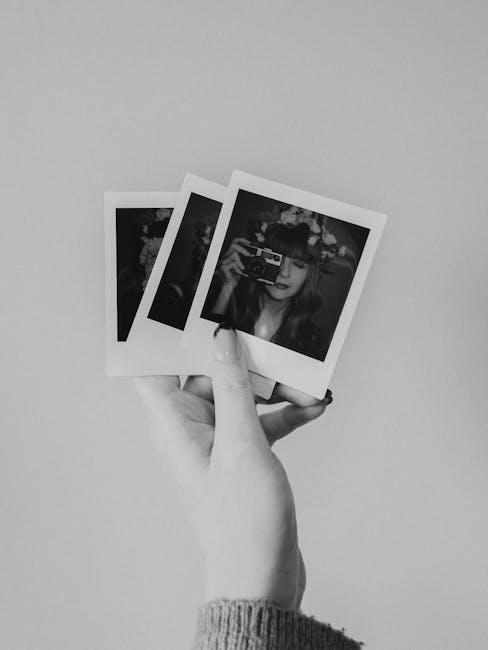
Beyond Words: Exploring the Power of Imagery in Film
- Emotional Depth: Visual storytelling can transcend linguistic barriers, reaching audiences on a universal level. Through meticulous composition, lighting, and color, filmmakers craft emotional landscapes that resonate deeply. A single frame can evoke a spectrum of feelings, from the silent heartbreak of a character’s solitude to the vibrant chaos of a bustling cityscape.
- Subtext and Symbolism: Imagery allows filmmakers to weave layers of subtext and symbolism, enriching the narrative without a single spoken word. Iconic films like “2001: A Space Odyssey” or “The Tree of Life” rely heavily on visual cues to explore complex themes, inviting viewers to engage with the story on a more intuitive level.
While dialogue can offer direct insight into characters’ thoughts and motivations, an over-reliance on words may hinder the viewer’s imaginative engagement. By focusing on visual elements, filmmakers can craft more immersive experiences, encouraging audiences to explore the story’s depths through their own interpretations.
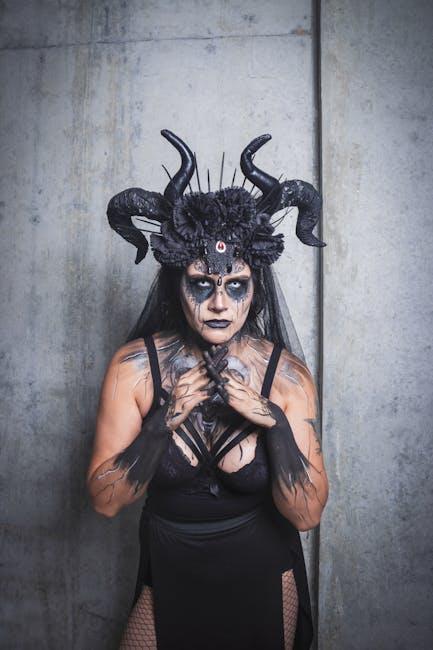 Dialogue“>
Balancing Act: Finding Harmony Between Visuals and Dialogue
In the realm of cinema, the dance between visuals and dialogue is an art form in itself. Striking the perfect balance can elevate a film from mere storytelling to an immersive experience. Visual storytelling offers a universal language that transcends cultural and linguistic barriers. Through the lens, filmmakers can evoke emotions, build worlds, and convey complex narratives without uttering a single word. A single frame can often speak volumes, capturing subtleties that dialogue might struggle to express.
However, dialogue remains an essential tool, providing depth and clarity to the characters and plot. It allows for a deeper exploration of themes and relationships that visuals alone might not fully convey. Here are some considerations for filmmakers:
- Character Development: Dialogue can reveal motivations and internal conflicts.
- Exposition: Some narratives require verbal explanations to guide the audience.
- Emotional Connection: Conversations can create intimacy and relatability.
Ultimately, the choice between visuals and dialogue should serve the story’s essence, crafting a harmonious blend that resonates with the audience.
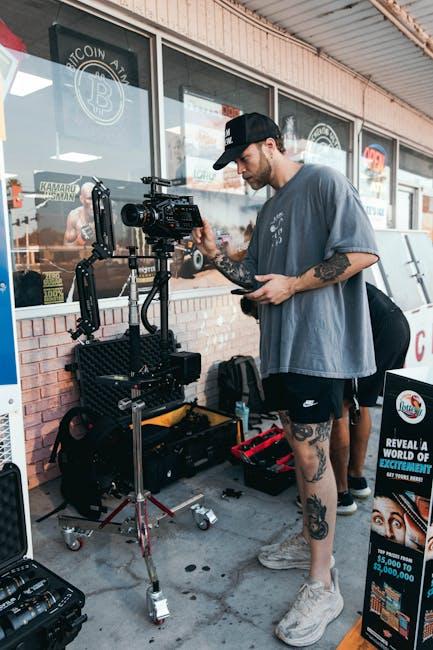
Recommendations for Filmmakers: Prioritizing Imagery Without Losing Voice
In the realm of filmmaking, balancing stunning visuals with a compelling narrative is crucial. Filmmakers can enhance their storytelling by focusing on imagery, but it’s essential to ensure that the visual elements do not overshadow the film’s voice. Here are some recommendations to achieve this balance:
- Integrate Visuals with Story: Use imagery to complement and enhance the narrative. Visual metaphors can convey themes and emotions that dialogue alone might not capture.
- Craft Meaningful Silences: Allow moments of silence or minimal dialogue to speak volumes. This can create space for the audience to immerse themselves in the visuals and interpret the story on a deeper level.
- Collaborate with Visual Artists: Working with cinematographers and production designers can help filmmakers develop a cohesive visual style that supports the film’s voice.
By prioritizing imagery thoughtfully, filmmakers can create a cinematic experience that is both visually stunning and narratively rich, ensuring that neither element loses its impact.


