
In the vast, scorched expanse of a dystopian wasteland, where survival hinges on speed and ferocity, “Mad Max: Fury Road” roars to life with an unparalleled intensity. This cinematic juggernaut, helmed by visionary director George Miller, defied the digital age’s reliance on CGI, opting instead for the raw, visceral power of practical effects. As the dust settled and the engines cooled, a question emerged: what drove the creators of this modern epic to embrace the tangible over the virtual? In this exploration of “The Making of Mad Max: Fury Road,” we delve into the meticulous craftsmanship behind the film, uncovering why practical effects were not just a choice, but the beating heart of its relentless authenticity.
Crafting Chaos: The Art of Practical Effects
In the visceral world of “Mad Max: Fury Road,” practical effects were not just a choice but a necessity to bring the chaotic, dystopian landscape to life. Director George Miller envisioned a realm where the grit and grime felt tangible, and digital effects couldn’t replicate the raw, unpredictable nature of real-world elements. The use of practical effects allowed for an immersive experience, where the audience could almost feel the heat and taste the dust.
- Real Explosions: Massive pyrotechnics were employed to create jaw-dropping sequences that defied digital mimicry.
- Custom-Built Vehicles: Over 150 vehicles were meticulously crafted, each a character of its own, contributing to the film’s authenticity.
- Stunt Work: Skilled stunt performers executed breathtaking maneuvers, grounding the film in a reality that CGI alone could not achieve.
By embracing the imperfections and unpredictability of practical effects, “Mad Max: Fury Road” achieved a level of intensity and realism that resonates powerfully with its audience, making every moment feel alive and immediate.
Designing the Desert: Building a Believable Wasteland
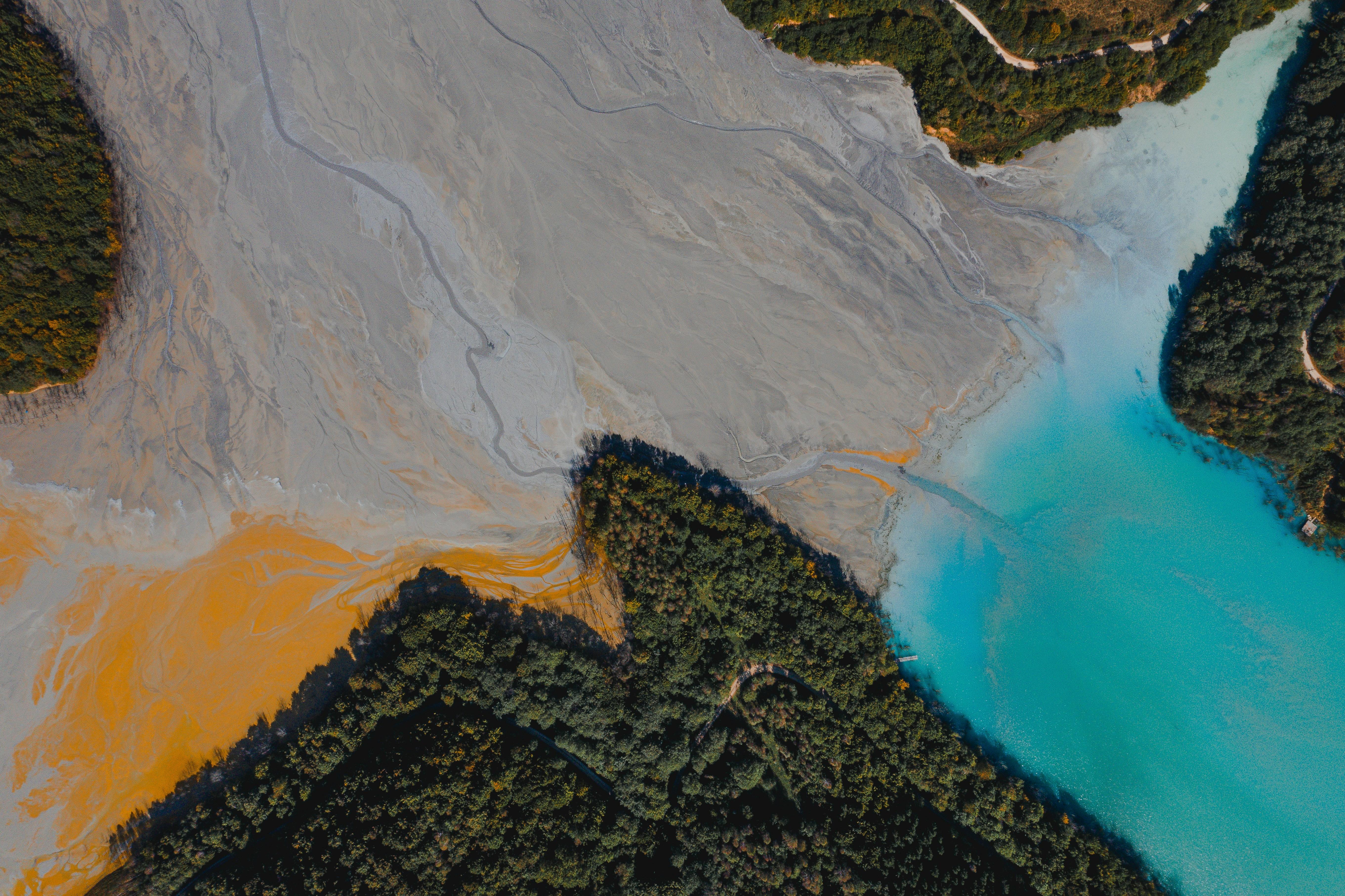
The harsh, unforgiving landscapes of Mad Max: Fury Road are a testament to the power of practical effects in crafting a believable post-apocalyptic world. Director George Miller’s vision was to create a desert that felt both alien and eerily familiar, pushing the boundaries of environmental storytelling. The use of real locations and tangible props helped ground the film’s chaotic universe, ensuring that every grain of sand, rusted vehicle, and towering dust storm felt palpably real.
- Authentic Landscapes: Filming took place in the Namib Desert, where the natural topography added layers of authenticity that CGI often struggles to replicate.
- Intricate Set Designs: Vehicles were meticulously crafted from salvaged parts, each telling its own story of survival and adaptation.
- Dynamic Weather Effects: Practical dust storms and explosive sequences were choreographed to immerse the audience in the relentless desert chaos.
By choosing practical effects over digital alternatives, the film’s creators were able to maintain a tangible connection to the environment, drawing viewers into a world where survival hinges on grit and ingenuity.

Revving Up Realism: Stunt Work and Safety Measures
In the adrenaline-fueled world of Mad Max: Fury Road, practical effects were not just a choice but a necessity to achieve unparalleled authenticity. Stunt work took center stage, demanding meticulous planning and execution. Safety measures were woven into every high-octane sequence, ensuring that the breathtaking action was both thrilling and secure. The production team employed a combination of expert stunt performers and innovative technology to create scenes that felt visceral and real.
- Comprehensive Training: Stunt performers underwent rigorous preparation to master the intense choreography required for each scene.
- State-of-the-Art Equipment: Harnesses, safety rigs, and specially designed vehicles minimized risks during complex stunts.
- On-Site Medical Teams: Immediate medical support was available, ready to respond to any emergencies on set.
- Collaborative Planning: Directors, stunt coordinators, and safety officers worked closely to align on safety protocols.
This blend of daring stunt work and robust safety measures not only elevated the film’s realism but also set a new benchmark for action filmmaking.

Lessons from the Wasteland: Embracing Practical Effects in Modern Filmmaking
In a cinematic landscape dominated by CGI, Mad Max: Fury Road stands as a testament to the power of practical effects. The decision to prioritize real stunts and tangible explosions wasn’t just an artistic choice but a fundamental storytelling tool. By leveraging practical effects, filmmakers crafted an immersive world where the audience could almost feel the grit of the desert and the heat of the flames. This approach brought authenticity, ensuring each scene resonated with visceral intensity.
- Real Stunts: The adrenaline-fueled chase scenes relied heavily on skilled stunt performers, creating genuine tension and excitement.
- Authentic Atmosphere: Practical effects enhanced the dusty, raw environment, making the wasteland feel palpably real.
- Visual Consistency: Using tangible elements helped maintain a cohesive visual style, seamlessly blending action with narrative.
By embracing practical effects, the film not only paid homage to its predecessors but also set a new benchmark for action cinema. It demonstrated that, even in an era of digital wizardry, there is unparalleled value in capturing reality through the lens.


