
In the whimsical world of Wes Anderson’s “The Grand Budapest Hotel,” the set design plays a pivotal role, transforming the film into a visual symphony of color, detail, and nostalgia. This article delves into the meticulous creative process behind the film’s stunning set design, unraveling the layers of artistry and craftsmanship that brought the fictional Republic of Zubrowka to life. From the intricate miniature models to the vibrant color palettes, discover how the collaboration between Anderson and his talented design team crafted an enchanting backdrop that captivates audiences and transports them to a bygone era. Join us as we explore the magic woven into every corner of this cinematic masterpiece.
Crafting a Visual Symphony: The Art of Color and Symmetry
In the meticulous world of The Grand Budapest Hotel, every frame is a masterpiece of color and symmetry, a testament to the artistry behind its set design. The film’s visual appeal lies in its bold palette, where hues are not just decorative but narrative tools that evoke emotions and guide the viewer’s eye. The vibrant pinks, rich purples, and muted pastels create a whimsical yet nostalgic atmosphere, reflecting the film’s intricate storytelling. The design team masterfully blends these colors to construct a world that is both fantastical and believable.
- Color Harmony: Each room and scene is carefully curated to ensure a seamless flow of colors, enhancing the storytelling without overwhelming the viewer.
- Symmetrical Balance: The use of symmetry is not merely for aesthetic pleasure but serves to focus attention, creating a sense of order amidst the film’s chaotic adventures.
- Attention to Detail: From the smallest prop to the grandest backdrop, every element is thoughtfully placed, contributing to the overall harmony of the visual composition.
Historical Influences: Breathing Life into Fictional Worlds
The imaginative world of The Grand Budapest Hotel is a tapestry woven from threads of history, art, and culture. Wes Anderson’s set design draws heavily from the grandeur of European architecture and the intricate aesthetics of the early 20th century. The film’s visual language is a homage to the past, with a vivid palette and meticulous attention to detail that evoke the charm of a bygone era.
Key historical influences include:
- Art Nouveau and Art Deco: The elegant curves and ornate details in the hotel’s interiors pay tribute to these iconic styles, creating a visually stunning atmosphere.
- Central European Architecture: The fictional Republic of Zubrowka captures the essence of Eastern European cities, blending elements from grand old hotels and palaces.
- 1930s Fashion and Decor: Every costume and piece of furniture is carefully chosen to reflect the period, immersing viewers in a world that feels both authentic and fantastical.
These historical elements are not mere backdrops but integral to the storytelling, breathing life into the fictional universe and inviting audiences to step into a meticulously crafted past.
Miniatures and Models: The Magic of Scale and Detail
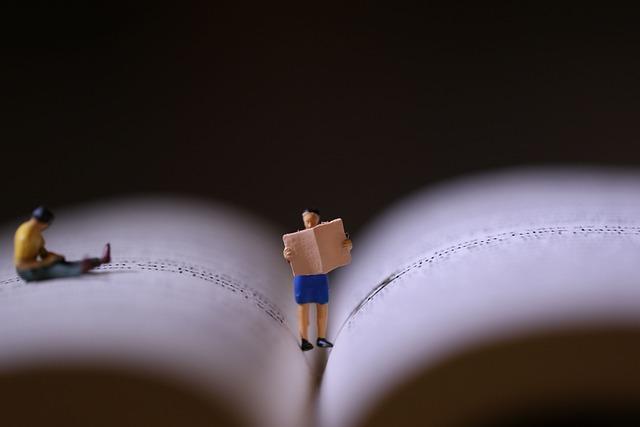
The exquisite craftsmanship in The Grand Budapest Hotel is a testament to the magic of scale and detail, where miniatures and models play a pivotal role. The filmmakers meticulously constructed a world that feels both grand and intimate, capturing the whimsical essence of Wes Anderson’s vision. Attention to detail is paramount, with each model designed to evoke a sense of nostalgia and wonder. From the iconic pink facade of the hotel to the intricate interior designs, every element is carefully scaled to maintain authenticity and charm.
- Architectural Miniatures: The exterior shots often employ intricately crafted miniatures, capturing the hotel’s grandeur with a blend of reality and fantasy.
- Handcrafted Props: Small-scale props are designed with precision, ensuring they mirror their life-sized counterparts in both function and form.
- Layered Textures: Each model features layers of texture, from weathered paint to fabric details, enhancing the tactile illusion of the scenes.
These models are not just static pieces; they are dynamic elements that interact seamlessly with live-action footage. By utilizing a blend of traditional craftsmanship and innovative techniques, the set design transports viewers into a meticulously curated universe where every tiny detail contributes to the overall storytelling experience.
Collaborative Vision: The Director-Designer Dynamic
The intricate dance between director Wes Anderson and production designer Adam Stockhausen is a testament to the power of collaboration. Their synergy on The Grand Budapest Hotel resulted in a visual masterpiece that is both whimsical and meticulously detailed. Anderson’s distinct vision called for a setting that was not just a backdrop but an integral character in the narrative. This required a design that captured the essence of nostalgia and whimsy while maintaining a cohesive aesthetic throughout the film.
- Color Palette: Anderson and Stockhausen worked closely to develop a bold and vibrant color scheme, using pinks, purples, and reds to evoke a sense of warmth and nostalgia.
- Symmetry and Balance: The duo employed symmetrical compositions to create a sense of order and harmony, a signature style of Anderson’s films.
- Attention to Detail: Every element, from the furniture to the wallpaper, was carefully selected to enhance the storytelling and immerse the audience in the film’s unique world.
Through countless discussions and a shared creative vision, Anderson and Stockhausen crafted a set that was both authentic and fantastical. Their dynamic partnership transformed the script’s descriptions into a tangible, breathtaking reality that continues to captivate audiences worldwide.


