
In the dim glow of a theater, as the screen flickers to life, audiences are transported to realms both familiar and fantastical. Amidst the dialogue and cinematography, there exists a silent storyteller weaving its own narrative—costume design. This often-overlooked element breathes life into characters, sculpting their identities and guiding their journeys. Through the delicate art of fabric and fashion, costume design transcends mere aesthetics, becoming a vital thread in the tapestry of character development. Join us as we unravel the intricate relationship between attire and identity, exploring how every stitch and seam shapes the stories we cherish on the silver screen.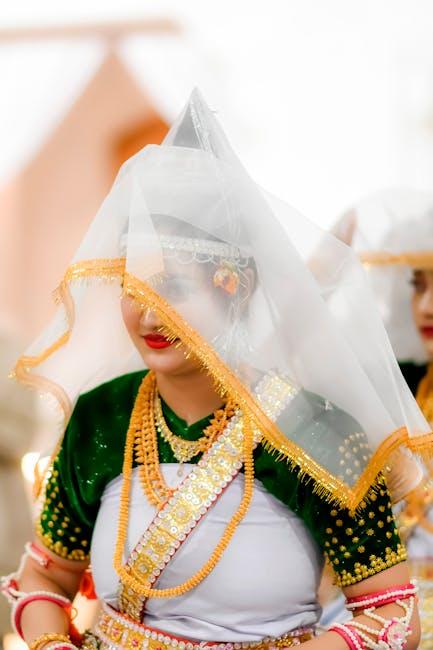
Crafting Identity: The Role of Costumes in Shaping Characters
In the realm of cinema, costumes serve as a powerful tool in the transformation and development of characters. They are not mere garments but a language that communicates the intricacies of a character’s persona, background, and evolution throughout the narrative. Through the subtle artistry of costume design, audiences are given visual cues that deepen their understanding of the character’s journey.
- Historical Context: Costumes provide authenticity and set the stage for the time period, grounding characters in a specific era.
- Psychological Insight: Colors, textures, and styles reveal the inner workings of a character’s mind, hinting at their motivations and emotional states.
- Social Status: Attire often signifies a character’s social standing, offering a glimpse into their societal role and interactions with others.
- Transformation: Changes in costume throughout a film can symbolize a character’s growth or decline, reflecting their personal evolution.
Ultimately, costume design is an integral component of storytelling, offering a visual narrative that complements and enhances the script, bringing characters to life in a vivid and memorable way.
Color and Fabric: The Language of Visual Storytelling
In the world of cinema, color and fabric are not mere aesthetic choices but potent elements of visual storytelling. The hues and textures chosen for a character’s wardrobe can speak volumes, conveying emotions and hinting at their inner world. A vibrant red dress might signify passion or danger, while muted earth tones could suggest humility or groundedness. The texture of a fabric—be it the opulence of silk or the ruggedness of denim—can offer insight into a character’s social status or personal journey.
- Color Symbolism: Directors and costume designers use colors to communicate subtext. For instance, blue often represents calmness or melancholy, while yellow might symbolize optimism or naivety.
- Fabric Choice: The choice between luxurious velvet or worn cotton can instantly inform the audience about a character’s lifestyle or their evolution throughout the film.
By carefully crafting a character’s wardrobe, costume designers help audiences connect with the narrative on a deeper level, transforming visual elements into a rich, silent language that enhances character development.
Period and Place: Authenticity Through Attire
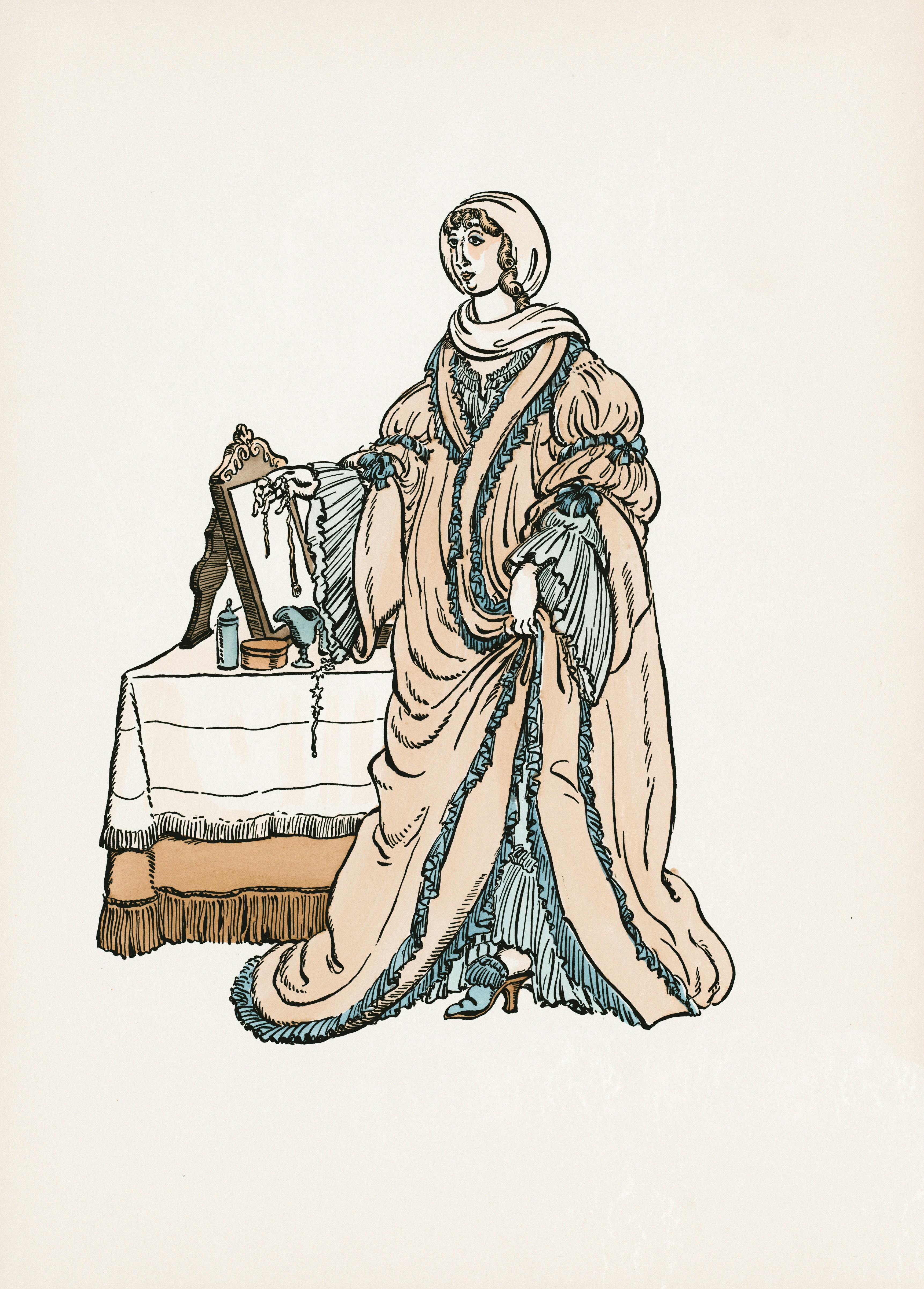
In the realm of cinema, the clothes a character wears are more than mere fabric; they are a gateway to authenticity and immersion. Costumes serve as a visual language, whispering tales of the era and locale in which the narrative unfolds. A meticulously crafted wardrobe can transport audiences to the bustling streets of 18th-century Paris or the sunlit alleys of 1960s Rome, creating a palpable sense of time and place. Through careful selection of color, texture, and style, costume designers breathe life into characters, embedding them seamlessly into their worlds.
- Era-specific details: Elements like high-waisted trousers or flapper dresses immediately signal the period, grounding characters in their historical context.
- Geographical influences: Regional attire, such as a kimono or a sari, reflects cultural nuances, adding layers to a character’s identity.
- Symbolic elements: Colors and patterns often carry deeper meanings, offering insights into a character’s journey or emotional state.
These sartorial choices are not mere embellishments; they are vital threads woven into the tapestry of storytelling. By marrying character and costume, filmmakers create a harmonious blend of narrative and visual authenticity that resonates deeply with audiences.
Collaboration and Vision: Seamless Integration of Design and Narrative
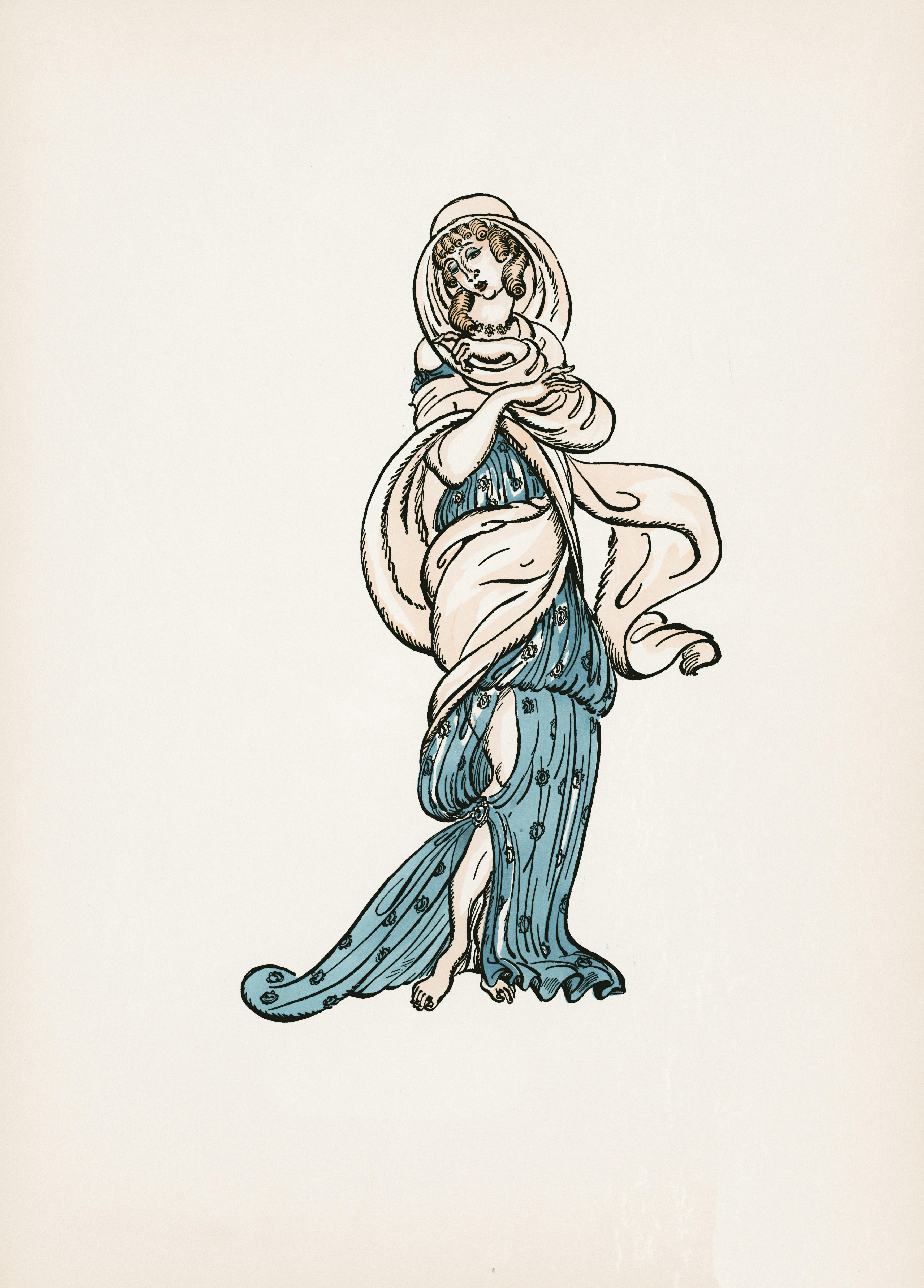
In the world of filmmaking, the fusion of design and narrative is an intricate dance where each element plays a crucial role in storytelling. Costume design stands as a silent yet powerful partner in this dance, influencing how audiences perceive and connect with characters. By integrating design seamlessly into the narrative, filmmakers can enhance character depth and development. Here are some ways this integration manifests:
- Character Identity: Costumes serve as visual shorthand for a character’s personality, background, and transformation throughout the story.
- Time and Place: The attire can subtly communicate the era and setting, anchoring the audience in the film’s world.
- Emotional Tone: Colors and textures in costumes can reflect the emotional journey of a character, providing visual cues to their internal struggles or triumphs.
By weaving these elements together, costume designers collaborate with directors and writers to create a cohesive vision that resonates with viewers, making characters unforgettable and their stories compelling.


