
In the dim glow of a theater, as the opening scenes of a drama unfold, it’s the subtle dance of light and shadow that first whispers to our emotions. Cinematographers, the unsung poets of visual storytelling, wield light as their brush, painting atmospheres that resonate with the soul. From the haunting gloom of a suspenseful thriller to the warm embrace of a heartfelt reunion, lighting is the invisible thread that weaves mood into every frame. This article delves into the art and technique behind how cinematographers masterfully use lighting to sculpt the emotional landscapes of drama, guiding audiences on an unforgettable journey through light and shadow.
Crafting Shadows: The Art of Contrast and Mood
In the realm of cinematography, lighting is not just a tool but a language, a way to weave emotion into the fabric of a story. By skillfully manipulating shadows and highlights, cinematographers craft a visual symphony that speaks to the viewer’s subconscious. Contrast becomes the brushstroke, painting scenes with tension, mystery, or intimacy. It’s the delicate dance between light and dark that defines the mood, transforming a simple frame into a powerful narrative.
- High Contrast: Often used in thrillers and noir, this technique accentuates the drama by creating stark distinctions between light and shadow, infusing scenes with a sense of urgency and danger.
- Soft Lighting: Utilized in romantic dramas, soft lighting creates a warm, inviting atmosphere, enveloping characters in a gentle glow that emphasizes vulnerability and connection.
- Directional Lighting: By focusing light from specific angles, filmmakers can highlight emotions, drawing the audience’s attention to subtle facial expressions or significant details.
The art of lighting is a testament to the cinematographer’s ability to evoke feeling without uttering a single word, shaping the viewer’s journey through a tapestry of illuminated emotions.

Color Temperature: Setting the Emotional Tone
The concept of color temperature is pivotal in crafting the emotional landscape of a scene. Cinematographers skillfully manipulate this element to evoke specific feelings and underscore narrative themes. By adjusting the warmth or coolness of a scene, they can subtly influence how an audience perceives the unfolding drama. A warm, amber glow might envelop a scene to convey intimacy or nostalgia, while a cool, blue tint can instill a sense of detachment or tension.
- Warm Tones: Create a sense of comfort, passion, or memory.
- Cool Tones: Suggest isolation, melancholy, or suspense.
- Neutral Tones: Offer a balanced, realistic feel, often used for neutrality or clarity.
By strategically employing these tones, cinematographers transform lighting from a mere technical requirement into a dynamic storytelling tool, shaping the viewer’s emotional journey through the drama.
Natural vs. Artificial: Balancing Realism and Drama
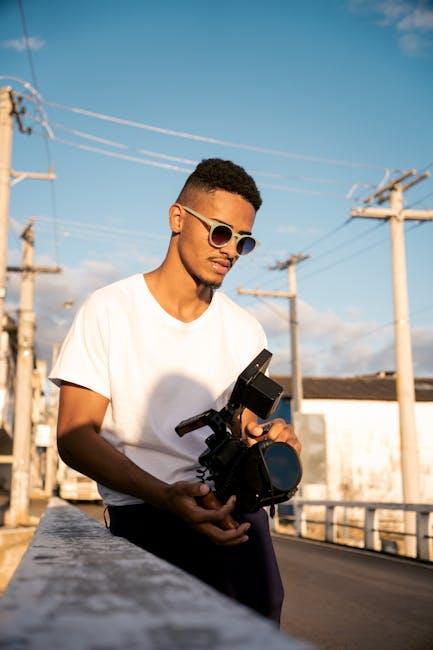
In the world of cinematography, the interplay between natural and artificial lighting is crucial for crafting the perfect balance of realism and drama. Natural lighting, with its inherent unpredictability, offers a raw and authentic ambiance. It can create a sense of intimacy and honesty, often used to reflect the genuine emotions of a scene. On the other hand, artificial lighting provides control and precision, allowing cinematographers to sculpt every shadow and highlight to evoke specific moods.
- Natural Lighting: Emphasizes authenticity, often used in scenes depicting everyday life.
- Artificial Lighting: Offers versatility, enabling dramatic effects and stylized visuals.
Balancing these two elements involves a strategic blend that enhances storytelling. By integrating natural light with subtle artificial enhancements, cinematographers can create an atmosphere that feels both relatable and heightened. This balance not only supports the narrative but also enriches the viewer’s emotional experience, bridging the gap between reality and the cinematic universe.
Practical Tips: Mastering Light for Emotional Impact
Lighting is a crucial tool in the cinematographer’s arsenal, shaping not only what the audience sees but also how they feel. Here are some practical tips to harness the power of light for emotional storytelling:
- Understand Color Temperature: Use warmer tones to evoke comfort or nostalgia, and cooler hues to create tension or isolation. Adjusting the balance can subtly guide the viewer’s emotional response.
- Play with Shadows: Shadows add depth and mystery. Strategically placed, they can suggest hidden motives or inner turmoil. Experiment with different angles to discover unexpected emotional layers.
- Utilize Natural Light: Embrace the unpredictability of natural light for a more organic feel. The soft, diffused glow of dawn or dusk can add a poignant, ephemeral quality to a scene.
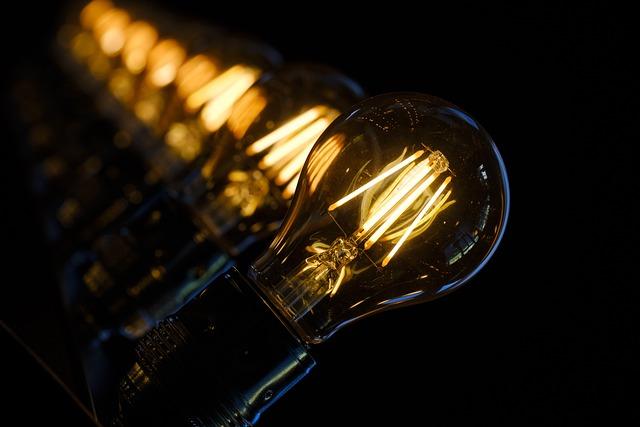
- Layer with Practical Lights: Incorporate lamps, candles, or streetlights to create a lived-in world. These sources can add authenticity and help to direct focus without breaking the narrative flow.
By mastering these techniques, cinematographers can craft an immersive atmosphere that resonates with the audience on a profound emotional level.


