
Beneath the shimmering surface of the ocean lies a world of mystery and wonder, where filmmakers are drawn to capture the untamed beauty and drama of underwater scenes. Yet, venturing into this aquatic realm presents a unique set of challenges that push the boundaries of technology and creativity. From the intricate dance of light filtering through water to the unpredictable movements of marine life, the technical hurdles of filming underwater require innovation and precision. This article delves into the depths of these challenges, exploring the ingenious solutions and cutting-edge technologies that bring the ocean’s secrets to the silver screen.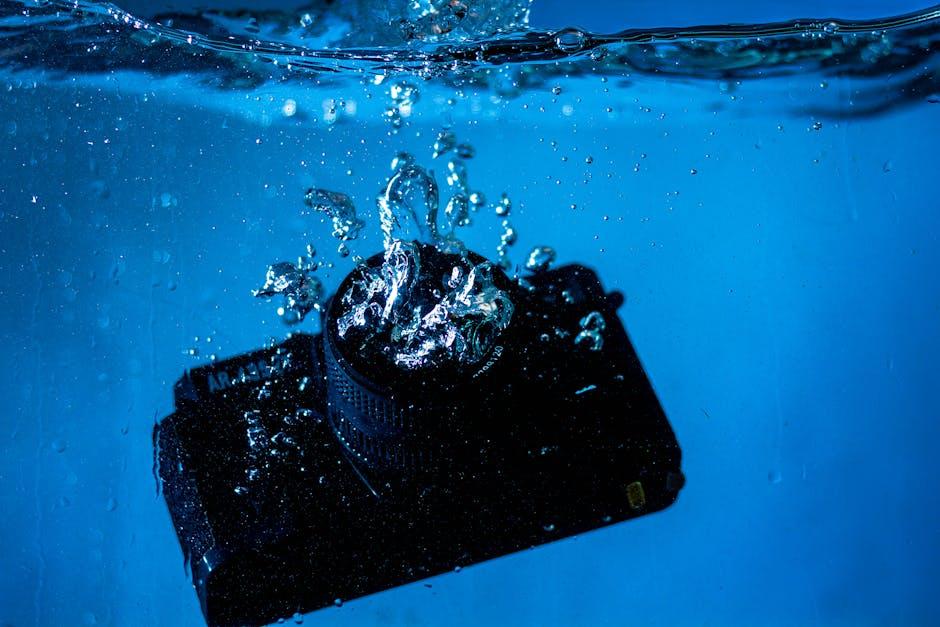
Navigating the Depths: Camera Equipment and Setup
Capturing the mesmerizing beauty beneath the waves requires specialized camera equipment and meticulous setup. Underwater cameras are designed to withstand pressure while delivering crystal-clear images. These cameras often come with waterproof housings that protect sensitive components from moisture and debris. In addition, wide-angle lenses are favored to capture the expansive vistas of marine life, allowing for immersive storytelling.
Setting up for an underwater shoot involves more than just selecting the right gear. Considerations include:
- Lighting: Natural light diminishes rapidly underwater, so artificial lighting is essential. High-intensity LED lights are popular for their durability and brightness.
- Stability: Currents can cause unwanted motion. Using stabilizing rigs helps maintain smooth footage.
- Color Correction: Water filters out certain wavelengths of light, so color filters or post-production adjustments are necessary to restore vivid hues.
By understanding and addressing these challenges, filmmakers can unlock the full potential of underwater cinematography, bringing viewers into a world that is as alien as it is breathtaking.

Mastering Light and Color in Subaquatic Environments
Capturing the mesmerizing dance of light and color beneath the waves presents a unique set of challenges for filmmakers. Light behaves differently underwater, scattering and absorbing in ways that can obscure details and distort hues. To achieve cinematic brilliance, filmmakers must harness a delicate balance of technology and artistry.
- Color Correction: Water absorbs red and yellow wavelengths, leaving scenes with a blue or green tint. This necessitates the use of filters and post-production techniques to restore natural colors.
- Lighting Equipment: Specialized waterproof lights are essential to penetrate the aquatic gloom, requiring precise positioning to avoid harsh shadows and reflections.
- Camera Settings: Adjusting white balance and ISO settings is crucial to accommodate the shifting spectrum of light, ensuring that the vibrancy of marine life is captured in full detail.
By embracing these technical intricacies, filmmakers can transform the subaquatic world into a vivid tapestry of light and color, inviting audiences to experience the underwater realm as never before.
Ensuring Safety and Communication Below the Surface
Filming underwater presents unique safety and communication challenges that demand meticulous planning and specialized equipment. Visibility and clear communication are crucial, as divers and crew must navigate unpredictable environments while maintaining constant contact. Traditional communication methods often fail below the surface, necessitating the use of specialized underwater communication systems.
- Underwater Radios: These allow real-time communication between divers and surface teams, ensuring coordination and safety.
- Hand Signals: A backup communication method that all team members must be proficient in, providing a silent way to convey messages.
- Safety Protocols: Regular drills and emergency procedures are vital to prepare for unexpected situations.
Ensuring the safety of the crew while maintaining effective communication can significantly enhance the quality of underwater scenes, allowing filmmakers to capture breathtaking visuals without compromising on safety.
Overcoming Sound Distortion in Underwater Filmmaking
One of the most intricate hurdles in underwater filmmaking is the challenge of sound distortion. Sound travels faster and further in water than in air, which can lead to unexpected audio artifacts and muffled tones. Filmmakers often encounter issues such as:
- Echoes and Reverberations: The reflective surfaces of the ocean floor and surrounding objects can create multiple echoes, complicating sound clarity.
- Frequency Loss: Higher frequencies are quickly absorbed by water, resulting in a loss of detail and crispness in audio recordings.
To counter these effects, filmmakers employ specialized hydrophones and underwater recording equipment designed to capture sound more accurately. Additionally, post-production techniques such as equalization and noise reduction are used to enhance and clarify the audio, ensuring that the audience experiences a seamless and immersive auditory journey beneath the waves.


