
In the realm of cinema, time is a malleable force, bending and stretching to evoke the deepest of emotions. Slow motion, a powerful cinematic tool, transforms fleeting moments into profound experiences, allowing audiences to linger in the subtle nuances of human expression. As a scene unfolds in this deliberate deceleration, the layers of storytelling deepen, inviting viewers to immerse themselves in the raw, unspoken emotions that might otherwise go unnoticed. This article explores the art of slow motion in film, unraveling how it amplifies emotional resonance and enriches the narrative tapestry.
Capturing the Heartbeat of a Scene: The Art of Slow Motion
Slow motion is a powerful tool in filmmaking, offering a unique way to delve into the emotional core of a scene. By decelerating time, it allows viewers to absorb every nuance, every fleeting expression, and every subtle movement that might otherwise go unnoticed. This technique can transform a simple gesture or glance into a moment of profound significance, enabling filmmakers to convey emotions with greater depth and intensity. Slow motion creates a visual poetry that resonates with the audience, making them feel the pulse of the scene more intimately.
- Heightened Emotion: By slowing down pivotal moments, filmmakers can amplify the emotional impact, making scenes more memorable.
- Enhanced Detail: The technique allows for a meticulous exploration of detail, bringing hidden layers of the narrative to the forefront.
- Artistic Expression: Slow motion can transform ordinary actions into extraordinary visual art, adding a lyrical quality to the storytelling.
In essence, slow motion is not merely a technical trick but a creative choice that breathes life into the fabric of a film, capturing the heartbeat of each scene with elegance and precision.

Unveiling Subtle Emotions: Techniques for Effective Slow Motion
Slow motion in film is a powerful tool that allows filmmakers to delve into the nuances of human emotion. By extending a moment, it provides the audience with the time to absorb and interpret subtle emotional cues that might otherwise go unnoticed. This technique can transform a fleeting glance or a gentle touch into a profound expression of feeling. When employed thoughtfully, slow motion can elevate a scene, making it resonate on a deeper emotional level.
- Focus on Details: Highlight micro-expressions and subtle gestures that convey complex emotions.
- Enhance Tension: Extend moments of suspense or anticipation, allowing viewers to fully engage with the character’s inner turmoil.
- Create Contrast: Use slow motion to juxtapose with fast-paced sequences, emphasizing the emotional weight of a scene.
Incorporating slow motion with a keen eye on the emotional landscape of a scene can bring forth a more profound connection between the audience and the narrative, making the invisible visible and the ordinary extraordinary.
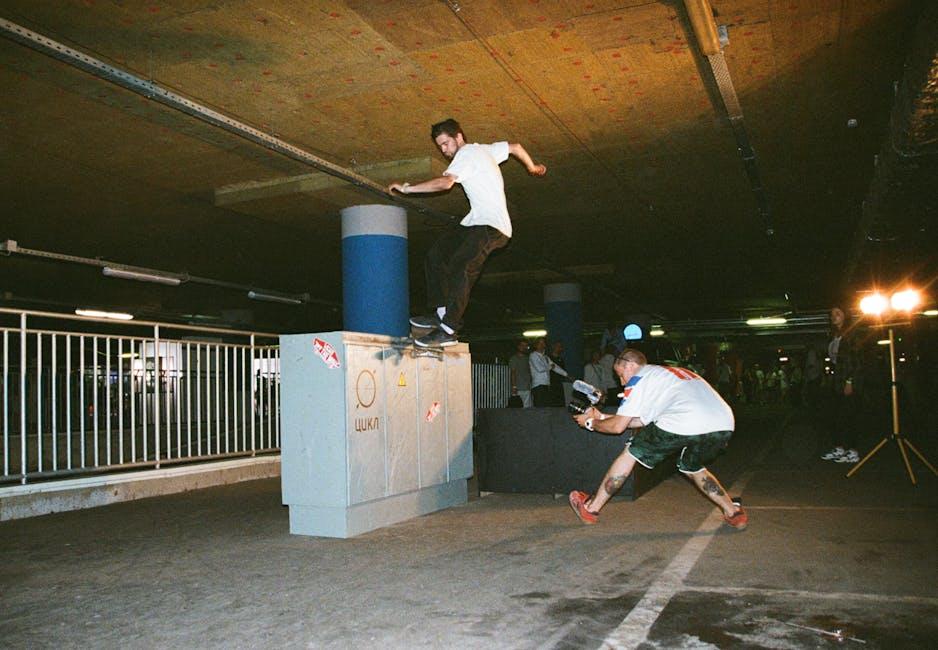
Crafting Timeless Moments: Slow Motions Role in Storytelling
In the art of filmmaking, slow motion serves as a powerful tool to deepen the emotional resonance of a scene. By stretching time, filmmakers invite audiences to linger on crucial moments, allowing them to absorb every nuance and subtlety. This technique not only heightens the drama but also magnifies the emotional weight of a scene, making it unforgettable.
- Enhanced Detail: Slow motion captures intricate details often missed at normal speed, from a single tear falling to the gentle sway of a character’s hair.
- Emotional Impact: By decelerating time, viewers are encouraged to connect more deeply with the characters’ emotions, experiencing their joy, sorrow, or triumph in an amplified manner.
- Symbolic Significance: It can transform an ordinary action into a symbolic moment, offering layers of meaning and reflection.
In essence, slow motion transforms fleeting instances into timeless moments, allowing filmmakers to craft stories that resonate on a profound emotional level.

Elevating Cinematic Emotion: Strategic Use of Slow Motion
Slow motion is a powerful tool in the filmmaker’s arsenal, capable of transforming ordinary scenes into profound experiences. By altering the perception of time, it amplifies the emotional gravity of a moment, allowing viewers to savor the intricacies of expression, movement, and atmosphere. This technique invites audiences to immerse themselves fully, lingering on every nuanced detail that might otherwise be missed in real-time.
- Heightened Tension: Slow motion can build suspense by prolonging the anticipation of a climactic event.
- Emotional Depth: It allows characters’ emotions to resonate more deeply, creating a visceral connection with the audience.
- Visual Poetry: Everyday actions are transformed into art, adding layers of meaning and beauty to a scene.
In strategic moments, this technique can shift the narrative focus, guiding viewers to reflect on the underlying themes and emotions at play. Through careful application, slow motion becomes not just a visual effect, but a storytelling device that enriches the cinematic experience.


