
In the vast savannahs of Disney’s reimagined “The Lion King,” the circle of life roars to life with breathtaking realism. But behind every lifelike stride and majestic roar lies an intricate tapestry of digital artistry and technological wizardry. Journey with us into the hidden world where pixels transform into the pulse of the animal kingdom. Discover how a team of visionary artists and cutting-edge technology merged to blur the lines between reality and imagination, crafting CGI creatures so vivid, they seem to breathe the very air of the Serengeti. Welcome to the untold story of how the wild was tamed by the digital age.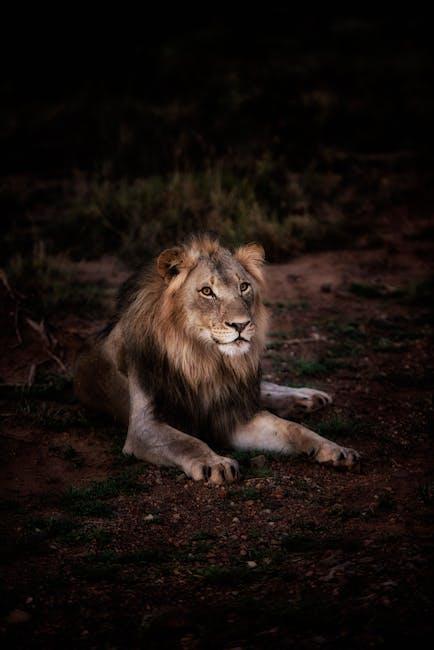
Crafting Lifelike Movements: Animators Secrets
Creating the illusion of life in CGI requires an understanding of both technology and nature. The animators behind ”The Lion King” employed a range of techniques to ensure each movement felt authentic. Motion capture technology was crucial, capturing subtle nuances of animal behavior. This data was then meticulously refined by animators to enhance realism.
Key strategies included:
- Studying Real Animals: Hours of footage were analyzed to replicate the fluidity and grace of lions and other savanna creatures.
- Layering Movements: Animators layered micro-movements, such as the twitch of an ear or a flick of a tail, to add depth.
- Utilizing Physics Simulations: Advanced simulations ensured that fur and muscle responded naturally to movement.
Through these techniques, the team crafted scenes where viewers could almost feel the heartbeat of the savanna, bringing a digital world to vibrant life.
The Art of Illusion: Texturing and Shading Techniques
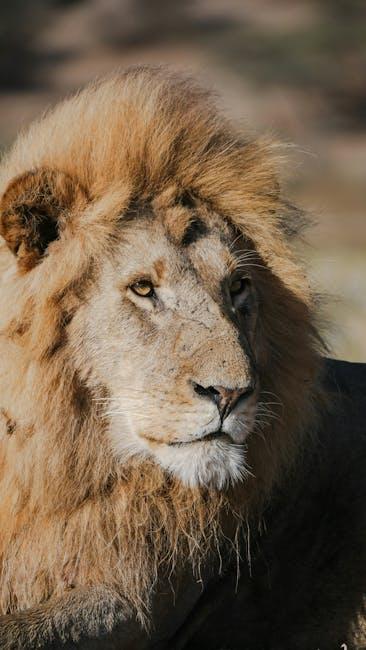
In the world of CGI, crafting lifelike animals involves a meticulous blend of texturing and shading techniques. For The Lion King, artists used advanced methods to breathe life into every strand of fur and every gleam of eye. By applying physically-based rendering (PBR), the team was able to simulate real-world lighting interactions, ensuring that each creature reacted naturally to its surroundings.
- Layered Textures: Multiple texture layers were used to replicate the complexity of animal skin and fur.
- Procedural Shading: Dynamic shaders allowed for adjustments in response to varying light conditions.
- Subsurface Scattering: This technique mimicked the way light penetrates and diffuses through animal skin, adding depth and realism.
These techniques combined to create a visual masterpiece where the digital seamlessly blended with the organic. By focusing on the subtleties of texture and light, the team crafted creatures that felt not only real but alive, inviting viewers into a world where the line between reality and animation is beautifully blurred.
Soundscapes of the Savannah: Enhancing Realism with Audio
In the quest for realism, the auditory experience plays a pivotal role. The vast expanse of the savannah is brought to life through meticulously crafted soundscapes that mirror the natural world. These audio elements are not mere background noise; they are an integral part of the storytelling, enveloping the audience in the environment where the majestic creatures roam.
- Authentic Animal Sounds: Real recordings of lions, elephants, and other savannah dwellers were woven into the mix to enhance authenticity.
- Dynamic Environmental Effects: From the rustling of grass to distant thunder, every sound was carefully curated to reflect the ever-changing landscape.
- Immersive Atmosphere: The subtle interplay of wind and wildlife creates a living, breathing world that captivates the senses.
Through these soundscapes, the savannah transforms into a vivid, auditory tapestry that deepens the visual experience, ensuring that the CGI animals not only look real but also inhabit a world that feels palpably alive.
Lessons from Nature: Observational Studies and Fieldwork
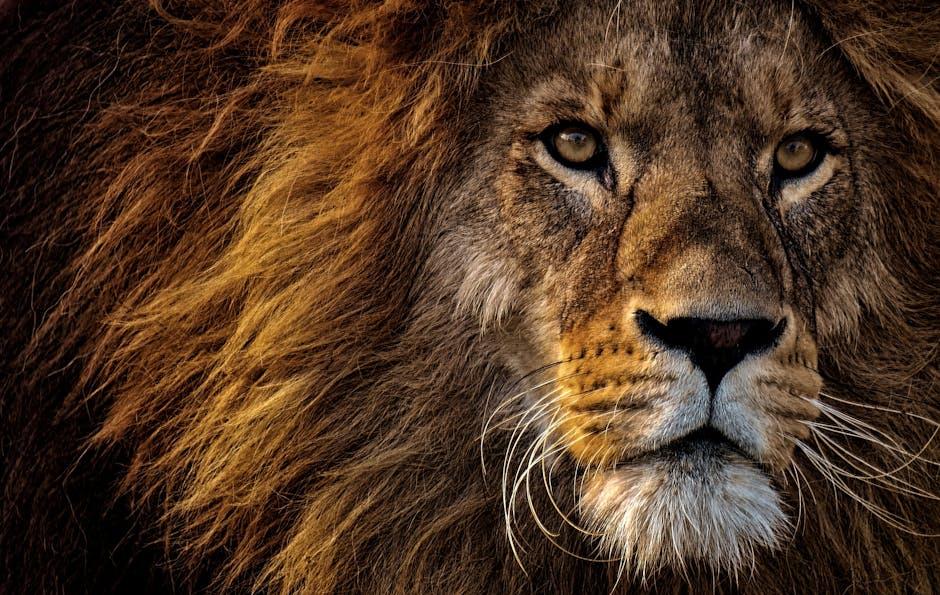
To bring the majestic creatures of The Lion King to life, animators embarked on extensive observational studies and immersive fieldwork. The team spent months in the African savannah, absorbing the nuances of animal behavior and movement. Attention to detail was paramount; observing how a lion’s muscles ripple beneath its fur or how a meerkat darts across the ground provided invaluable insights.
- Realistic Movement: By studying the natural gait and interaction of animals in the wild, animators were able to replicate these in CGI, ensuring each creature moved authentically.
- Behavioral Nuances: Field observations allowed the team to capture subtle behaviors, such as a lioness’s protective stance or the playful antics of a young cub.
This meticulous research not only informed the visual aesthetics but also infused the film with an authenticity that resonated with audiences worldwide.


