
In the dim glow of a theater, as the opening credits roll, an intricate tapestry of sound begins to weave its magic. From the subtle rustle of leaves to the crescendo of an orchestral score, sound mixing plays a pivotal role in transporting audiences into the heart of a film’s narrative. It’s an art form that goes unnoticed yet profoundly felt, transforming simple visuals into a rich, immersive experience. This article delves into the world of sound mixing, exploring how expert craftsmen blend dialogue, music, and effects to create a sonic landscape that captivates and engages, turning every movie into an unforgettable journey.
Crafting Atmosphere: The Role of Soundscapes
Soundscapes play a pivotal role in shaping the emotional and sensory experience of a film. By weaving together layers of ambient sounds, musical scores, and dialogue, sound designers craft a rich tapestry that immerses audiences in the world on screen. These auditory elements are not mere background noise; they are meticulously curated to enhance storytelling and evoke emotions.
- Ambient Sounds: The subtle rustling of leaves or distant city traffic can anchor a scene in reality, making the setting feel tangible.
- Musical Scores: Music underscores the narrative, amplifying tension, joy, or sorrow, and guiding the viewer’s emotional journey.
- Dialogue: Crisp, clear dialogue ensures the story’s core is communicated effectively, while nuanced vocal tones add depth to character interactions.
Through the artful manipulation of these elements, soundscapes transform passive viewing into an active, enveloping experience. The audience is not just watching a film; they are transported into its very essence.
Dialogue Dynamics: Balancing Voices and Environment
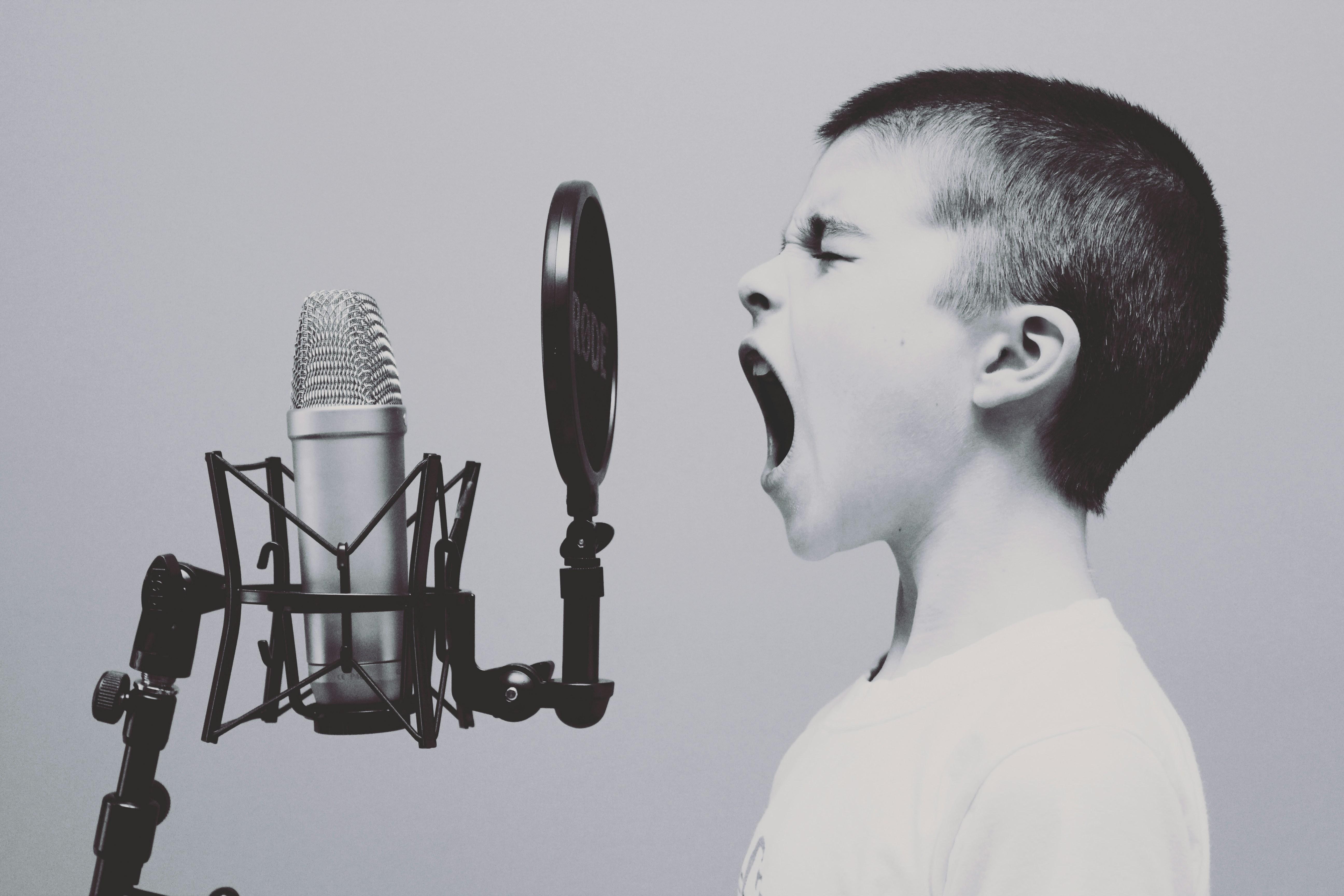
In the intricate tapestry of sound mixing, dialogue plays a pivotal role, serving as the narrative backbone that guides the audience through the cinematic journey. Achieving the perfect balance between voices and the surrounding auditory landscape requires a keen ear and a delicate touch. Sound mixers often employ a variety of techniques to ensure dialogue remains clear and compelling, while also allowing the environment to breathe and add depth to the scene.
- Layering Techniques: Dialogue is meticulously layered with ambient sounds, creating a seamless blend that feels natural and immersive.
- Dynamic Range Control: Adjusting the volume and intensity of voices to ensure they cut through even the most action-packed sequences without overwhelming the listener.
- Environmental Integration: Using reverb and echo to match the acoustics of the setting, whether it’s a bustling city street or a serene forest.
Ultimately, the goal is to craft a sonic experience where dialogue enhances rather than competes with the world it inhabits, allowing the audience to be fully enveloped in the story.
Music and Emotion: Scoring the Cinematic Experience
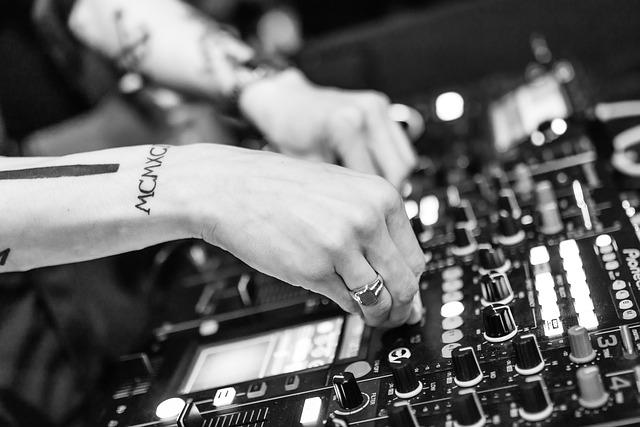
Music in films is not just an accompaniment; it’s a catalyst for emotion. It shapes how we perceive a scene, enhancing the storytelling by resonating with our emotions. The subtle shift from a serene melody to an intense crescendo can transform a moment, drawing viewers deeper into the narrative. Soundtracks often work in tandem with visual elements, creating an emotional landscape that’s both seen and felt.
- Atmosphere: Ambient soundscapes create a backdrop that immerses viewers in the film’s world.
- Character Development: Themes associated with characters can convey their inner thoughts and evolution.
- Tension and Release: Strategic use of silence and sound builds anticipation, leading to impactful cinematic moments.
Through skillful sound mixing, music becomes a narrative force, guiding the audience’s emotional journey. It’s this intricate dance between sound and story that elevates a movie from mere entertainment to a profound experience.

Precision in Sound: Techniques for Seamless Transitions
In the realm of cinema, sound transitions play a pivotal role in guiding the audience seamlessly from one scene to another, enhancing the narrative flow and emotional impact. Achieving this level of precision requires a blend of art and technology, where sound mixers employ a variety of techniques to craft a cohesive auditory experience. Here are some key methods used:
- Crossfading: Smoothly blending two audio tracks to create a gradual transition, avoiding abrupt changes that could disrupt the viewer’s immersion.
- Sound Bridging: Utilizing a continuous sound element, such as ambient noise or a musical score, to link disparate scenes and maintain a sense of continuity.
- EQ Adjustments: Fine-tuning the frequency balance to ensure that different audio elements complement each other and fit seamlessly within the overall mix.
These techniques not only enhance the storytelling but also ensure that the audience remains engaged, creating an immersive experience where every sound feels intentional and perfectly placed.

