
In the world of cinema, where storytelling transcends mere dialogue and action, lighting emerges as an unsung hero, sculpting the very soul of a scene. Imagine a dimly lit room where shadows dance mysteriously, or a sunlit meadow that radiates warmth and hope. These visual cues are not mere happenstance; they are the result of meticulous lighting techniques that breathe life into every frame. As filmmakers wield light to evoke emotion and tension, they transform the ordinary into the extraordinary, crafting atmospheres that linger in our minds long after the credits roll. This article delves into the art and science of lighting, exploring how it shapes the cinematic experience and elevates storytelling to new heights.
Crafting Mood with Shadows and Highlights
In the world of cinema, lighting is a silent narrator, guiding the audience’s emotions and focus. Shadows and highlights, in particular, serve as the paintbrushes that sculpt the mood of a scene. By strategically placing shadows, filmmakers can evoke mystery, tension, or even fear. Dramatic shadows can obscure parts of the frame, leaving viewers to fill in the blanks with their imagination, a technique often employed in thrillers and noir films. Conversely, highlights can be used to draw attention to specific elements, emphasizing emotions or key plot points.
Consider the use of chiaroscuro, the interplay of light and dark, which can transform a mundane setting into a visually compelling tableau. By manipulating these elements, directors create depth and texture, adding layers of meaning without uttering a single word. Key techniques include:
- Backlighting to create silhouettes, adding an air of mystery.
- Soft lighting to evoke warmth and intimacy.
- Hard lighting for stark contrasts and heightened drama.
Each choice in lighting design becomes a powerful tool to craft an unforgettable cinematic atmosphere, turning the ordinary into the extraordinary.
Color Temperature: Setting the Emotional Tone
In the world of cinematography, the color temperature of lighting is a powerful tool that subtly shapes the audience’s emotional experience. By adjusting the warmth or coolness of a scene, filmmakers can influence the mood and tone, guiding viewers through a spectrum of feelings without uttering a single word.
- Warm Tones: Often used to evoke feelings of comfort, nostalgia, or intimacy. Think of the golden hues of a sunset or the cozy glow of candlelight.
- Cool Tones: These can create a sense of detachment, mystery, or even tension. The bluish tint of moonlight or the sterile feel of fluorescent lighting can set a chilling, contemplative atmosphere.
By masterfully balancing these temperatures, filmmakers craft a visual language that communicates the narrative’s emotional undercurrents, allowing the audience to feel the story as much as they see it.
Practical Lighting: Bridging Reality and Fiction
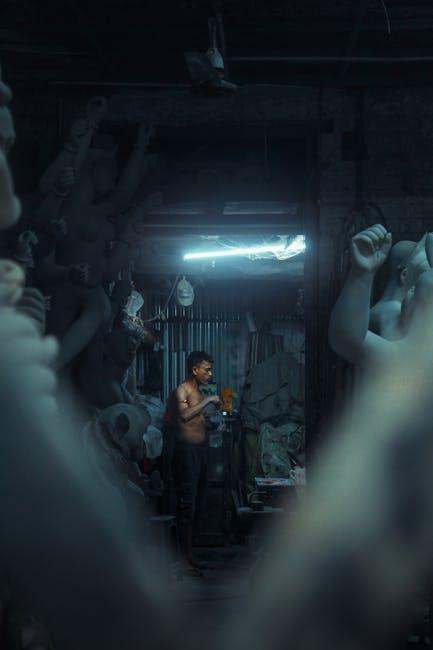
In the world of cinema, lighting serves as a bridge between the tangible world we inhabit and the imaginative realms crafted on screen. Practical lighting plays a pivotal role in this transformation, offering a unique blend of authenticity and artistic flair. By employing everyday light sources like lamps, candles, or even streetlights, filmmakers can create a natural ambiance that enhances the narrative’s emotional depth. This technique not only grounds the story in reality but also allows for creative manipulation of shadows and highlights, subtly guiding the viewer’s attention.
- Naturalism: Achieves a lifelike setting by mimicking real-world light conditions.
- Flexibility: Easily adjustable to fit various scenes and moods.
- Cost-Effectiveness: Utilizes existing light sources, reducing production costs.
By bridging the gap between reality and fiction, practical lighting empowers filmmakers to tell stories that resonate on both an emotional and visual level. The result is a cinematic experience that feels both authentic and artistically enriched, inviting audiences into a world that feels both familiar and fantastical.

Harnessing Natural Light for Authenticity
Utilizing natural light can profoundly impact the authenticity of a cinematic scene, offering a sense of realism that artificial lighting often struggles to replicate. Direct sunlight casts stark shadows and highlights, enhancing dramatic moments, while the soft glow of dusk can envelop a scene in warmth and intimacy. This approach not only grounds the visual narrative in reality but also allows filmmakers to play with subtle changes in atmosphere and emotion.
- Golden Hour: Capture scenes during early morning or late afternoon for soft, flattering light.
- Overcast Days: Use the diffused light of cloudy skies for even, shadow-free illumination.
- Reflections: Enhance natural light with reflective surfaces to brighten and add depth.
By embracing the unpredictable and ever-changing qualities of natural light, filmmakers can infuse their work with a sense of authenticity that resonates with audiences. The dance between light and shadow becomes a narrative tool, weaving a rich tapestry that mirrors the complexities of human experience.


