
In the dim glow of a theater, as the opening credits roll and anticipation fills the air, a symphony of sounds begins to weave its spell. From the soft rustle of leaves to the crescendo of a climactic score, each note and nuance is meticulously crafted to transport audiences into the heart of a story. This is the enchanting world of sound mixing, an often-overlooked art that breathes life into the cinematic experience. As the unsung hero behind the scenes, sound mixing shapes the emotional landscape of a film, guiding viewers on an auditory journey that enhances every visual moment. Join us as we explore the pivotal role of sound mixing in creating movie magic, where every whisper and roar is a brushstroke on the canvas of imagination.
Crafting Atmosphere: The Art of Balancing Soundscapes
In the realm of cinema, sound mixing is the delicate art of weaving together dialogue, music, and effects to create an immersive auditory experience. This craft is pivotal in transporting audiences to different worlds, enhancing emotions, and driving narratives. Sound mixers meticulously balance each element to ensure that every whisper, explosion, or musical note complements the visual storytelling.
Consider the layers involved in a single scene: the subtle rustle of leaves in a quiet forest, the distant hum of a city in a bustling street, or the resonant echoes of a cavernous space. Achieving harmony among these elements requires:
- Precision in adjusting levels to maintain clarity and impact.
- Creativity in blending sounds to evoke the desired mood.
- Technical skill to seamlessly integrate sound with visual cues.
The magic of sound mixing lies in its invisibility; when done well, it draws the audience deeper into the story without them even realizing it.
 Dialogue Dynamics: Ensuring Clarity and Emotion”>
Dialogue Dynamics: Ensuring Clarity and Emotion
In the intricate world of cinema, the subtle art of sound mixing plays a pivotal role in shaping the clarity and emotion of dialogue. It’s not just about adjusting volume levels; it’s about crafting an auditory experience that resonates with the audience. The process involves balancing the dialogue against background sounds, ensuring each word is heard without losing the ambient nuances that bring scenes to life. Sound mixers often employ techniques such as:
- EQ Adjustments: Tailoring frequencies to enhance voice clarity while maintaining natural tones.
- Dynamic Range Compression: Ensuring consistency in volume, so whispers are as impactful as shouts.
- Reverb and Echo: Adding depth and context to dialogue, making environments feel authentic.
Emotionally, sound mixing amplifies the unspoken. A slight tweak in audio can transform a simple exchange into a moment of tension or tenderness. This auditory finesse not only supports the narrative but also elevates the emotional stakes, allowing viewers to connect deeply with the characters and their journeys.
Immersive Audio: Techniques for Enveloping the Audience
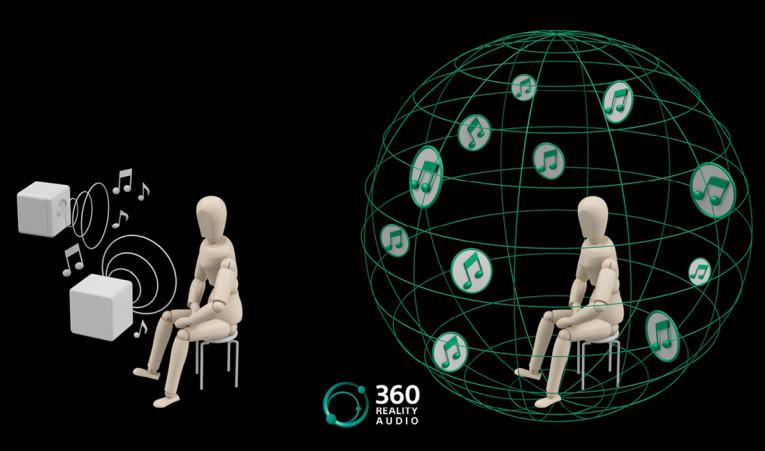
Creating an all-encompassing soundscape requires a keen understanding of spatial audio techniques. By manipulating sound placement, audio engineers can craft a three-dimensional auditory experience that draws viewers deeper into the narrative. This involves using directional cues to guide the audience’s focus, making them feel as if they’re inside the scene rather than merely observing it.
- Binaural Recording: Captures audio using two microphones to mimic the human ear, producing a realistic sound field when listened to with headphones.
- Ambisonics: A full-sphere surround sound technique that allows for versatile sound movement, creating a more dynamic and immersive experience.
- Reverb and Echo: Adds depth and dimension, simulating the natural acoustics of the environment depicted on screen.
These techniques, when skillfully applied, transform ordinary scenes into immersive experiences, making the audience feel every whisper, explosion, and rustle as if they’re right there in the moment.
 Sound Mixing“>
Precision and Creativity: Tips for Effective Sound Mixing
In the intricate dance of cinema, sound mixing serves as both a science and an art. Achieving the perfect blend requires an ear for detail and a touch of ingenuity. Here are some essential tips for those aiming to master this craft:
- Understand the Narrative: Each sound element should enhance the story. Consider the emotional arc and ensure that every audio piece, from dialogue to ambient noise, aligns with the narrative’s flow.
- Balance and Clarity: A successful mix maintains a delicate balance. Prioritize clarity by ensuring that dialogues are crisp, while music and effects support without overpowering.
- Embrace Creativity: Don’t shy away from experimenting with unconventional sounds. Unique audio textures can add layers of meaning and surprise to a scene, enhancing the viewer’s experience.
- Leverage Technology: Utilize the latest mixing tools and plugins. Innovative technology can provide new ways to manipulate and perfect your soundscape, making your mix stand out.
By combining precision with creative flair, sound mixers can transport audiences into the heart of a story, crafting an auditory experience that resonates long after the credits roll.


