
In the realm of cinematic storytelling, few techniques captivate audiences quite like the seamless illusion of a single, continuous shot. It’s a daring feat of filmmaking that immerses viewers in a relentless flow of action and emotion. Among the modern masterpieces that have embraced this technique, “1917” stands as a towering achievement. Directed by Sam Mendes, this World War I epic not only tells a gripping tale of courage and survival but also pushes the boundaries of what is technically possible in cinema. As the camera weaves through the trenches and fields of battle, it presents a visual symphony that seems unbroken, leaving audiences breathless. But behind this fluid facade lies a complex web of challenges and innovations. This article delves into the meticulous planning, groundbreaking technology, and sheer human effort that converged to create the illusion of a single, continuous shot in ”1917,” offering a glimpse into the artistry and precision that underpin this cinematic marvel.
Crafting Seamless Cinema: The Vision Behind the One-Shot Wonder
In the world of cinema, creating the illusion of a single, continuous shot is both an artistic triumph and a technical marvel. The film ”1917″ stands as a testament to this achievement, meticulously crafted to immerse audiences in the relentless pace of its narrative. The directors and cinematographers collaborated closely, employing innovative techniques to ensure that each transition was seamless and imperceptible.
- Meticulous Planning: Every movement and camera angle was pre-planned and rehearsed extensively. The team used intricate storyboards and rehearsals to map out the choreography, ensuring that the flow of the narrative remained unbroken.
- Technological Innovation: Advanced camera rigs and stabilization technology were employed to glide through the trenches and battlefields. This allowed for fluid transitions and dynamic perspectives, crucial for maintaining the illusion of continuity.
- Artful Editing: Although filmed in segments, clever editing techniques were used to stitch the scenes together. This involved matching lighting, movement, and action with precision, making the cuts invisible to the audience.
The result is a cinematic experience that draws viewers into the heart of the story, blurring the lines between observer and participant.
Precision in Motion: Navigating the Technical Maze of Continuous Filming
In crafting the seamless narrative of 1917, filmmakers embarked on a meticulous journey to ensure that every movement was executed with absolute precision. The illusion of a continuous shot demanded a symphony of coordination, where every element on set moved in perfect harmony. Cinematographers, actors, and crew members had to anticipate and react with split-second timing, a task akin to orchestrating a live performance without the luxury of a pause button.
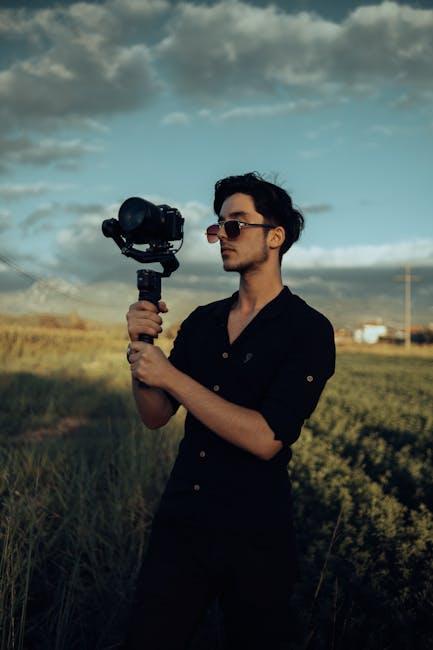
- Camera choreography: The camera operators became dancers, weaving through the landscape with grace and agility, capturing the harrowing journey of the protagonists.
- Set transitions: Ingenious use of natural elements like smoke and darkness helped seamlessly stitch scenes together, creating the illusion of one unbroken take.
- Actor precision: Performers not only delivered lines but also navigated complex blocking, ensuring they hit their marks with unwavering accuracy.
Behind the scenes, the technical maze was navigated with a blend of innovation and traditional craftsmanship, where modern technology met the timeless art of storytelling. Each sequence was a testament to the dedication and expertise required to transform an ambitious vision into a breathtaking reality.
The Art of Timing: Synchronizing Performance and Camera Movement
Crafting a film with the seamless illusion of a single continuous shot requires meticulous coordination, particularly in aligning the actors’ performances with the intricate choreography of the camera. The filmmakers of 1917 faced the formidable task of ensuring that every movement was perfectly timed, a challenge that demanded both precision and creativity.
Key elements included:
- Rehearsals: Extensive practice sessions were crucial. Actors and camera operators rehearsed for months to achieve the fluidity necessary for each scene.
- Camera Rigs: Innovative rigs allowed for dynamic transitions between different types of shots, from handheld to crane, maintaining the illusion of continuity.
- Set Design: Every set was constructed with the camera’s path in mind, ensuring that both performers and equipment could move without obstruction.
The result was a mesmerizing dance between actor and lens, where each step and gesture contributed to the immersive experience. This harmony was not just a technical feat but an artistic one, capturing the essence of the story with unparalleled intensity.

Mastering the Environment: Transforming Set Design into a Living Battlefield
Crafting the world of 1917 required set designers to transform static locations into dynamic, living environments. The challenge was to create a battlefield that could convincingly convey the chaos and urgency of World War I, all within the constraints of a single continuous shot. Attention to detail was paramount, as every element had to seamlessly blend with the next, guiding the audience through a narrative that felt both immersive and uninterrupted.
- Authenticity: Designers meticulously recreated trenches, no-man’s land, and war-torn landscapes, ensuring historical accuracy while maintaining cinematic fluidity.
- Flexibility: Sets had to be adaptable, allowing actors and camera operators to navigate through the environment without breaking the illusion of a single take.
- Integration: The integration of practical effects, such as explosions and weather conditions, required precise timing and coordination to enhance realism without disrupting the flow.
The result was an environment that not only supported the storytelling but also became a character in its own right, engaging viewers in an unyielding journey across the frontlines.


