
In the dim glow of a theater, as the opening credits fade and the first scene unfolds, a subtle yet powerful force begins to weave its magic: the music score. This invisible narrator, often overlooked yet undeniably essential, guides audiences through the emotional landscapes of modern cinema. From heart-pounding crescendos to hauntingly delicate melodies, music scores possess the extraordinary ability to elevate storytelling, transforming mere moments into unforgettable experiences. As we delve into the world of cinematic soundscapes, we uncover how these masterful compositions amplify emotions, turning the silver screen into a canvas of profound human connection.
Crafting Atmosphere: The Role of Melodic Themes
In the intricate tapestry of modern cinema, melodic themes are the threads that weave emotion into the narrative fabric. These musical motifs, often associated with characters or pivotal moments, serve as emotional anchors, guiding the audience through the story’s peaks and valleys. A well-crafted theme can evoke nostalgia, tension, or joy, often without a single word spoken.
- Character Development: Themes offer insight into a character’s journey, evolving alongside their personal growth.
- Emotional Resonance: Repeated motifs can amplify emotional impact, making scenes more memorable.
- Narrative Cohesion: Music bridges scenes, creating a seamless flow and enhancing storytelling continuity.
By intertwining these themes with visual storytelling, filmmakers create a multisensory experience that resonates deeply with audiences, ensuring that the story lingers long after the credits roll.

Subtle Nuances: How Instrumentation Influences Emotion
In the realm of cinematic storytelling, the choice of instruments is a powerful tool that can subtly alter the emotional landscape of a scene. A well-crafted score can evoke a spectrum of feelings, often without the audience even realizing why they are being moved. Strings, for instance, are frequently used to underscore moments of profound emotion; the gentle swell of a violin can amplify feelings of sorrow or longing, while a cello’s deep resonance might underscore a character’s inner turmoil.
On the other hand, percussion can introduce tension and urgency, its rhythmic patterns mirroring the heartbeat of the scene. Woodwinds often add a layer of whimsy or nostalgia, transporting the audience to a different time or place. The use of brass can evoke power and heroism, creating a sense of triumph or determination. Through these subtle nuances, composers craft an auditory palette that guides viewers’ emotions, enhancing the narrative without uttering a single word.
- Strings: Emotion and depth
- Percussion: Tension and urgency
- Woodwinds: Whimsy and nostalgia
- Brass: Power and heroism

The Symphony of Silence: Utilizing Minimalism for Impact
In the realm of modern cinema, the strategic use of minimalism in music scores has become a powerful tool for amplifying emotional storytelling. By stripping down to the essentials, composers can craft a soundscape that allows silence to speak volumes. This approach creates space for the audience to project their own emotions, leading to a more intimate connection with the narrative. The absence of complex orchestration can highlight subtle character moments, transforming what might seem mundane into profound revelations.
- Focus on Emotion: Minimalist scores often employ repetitive motifs that mirror the emotional undercurrents of a scene.
- Subtlety Over Spectacle: By avoiding grandiose compositions, filmmakers can draw attention to nuanced performances and visual storytelling.
- Creating Tension: Silence and sparse instrumentation can build suspense, keeping audiences on the edge of their seats.
Ultimately, the symphony of silence in film scoring is about balance—allowing music to underscore without overshadowing. This artful restraint invites viewers to explore the depths of their own emotions, elevating the cinematic experience to new heights.
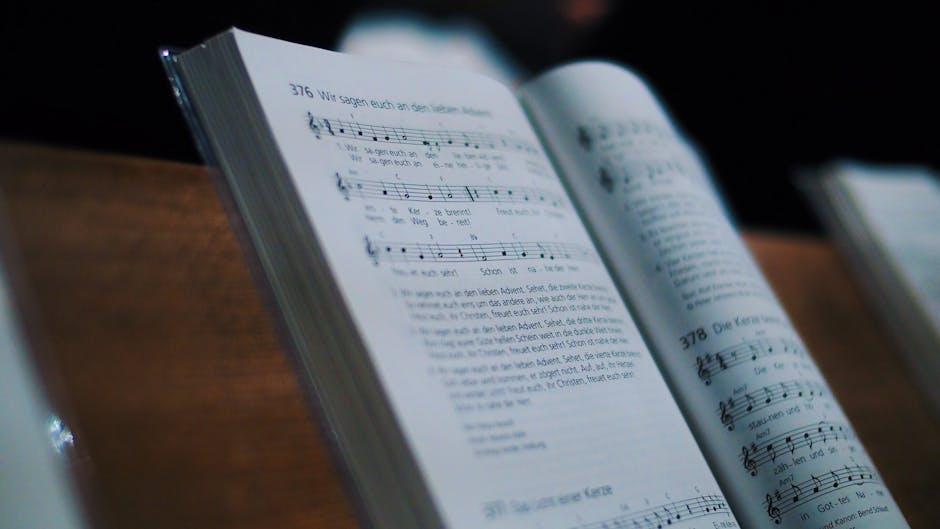
Harmonizing Visuals and Sound: Techniques for Seamless Integration
In the realm of modern cinema, the seamless integration of visuals and sound can significantly elevate the emotional depth of storytelling. Music scores play a pivotal role in this symbiotic relationship, guiding the audience’s emotions and enhancing narrative impact. To achieve this, filmmakers employ a variety of techniques that ensure the music not only complements but also amplifies the visual storytelling.
- Motifs and Themes: Recurring musical motifs can subtly underscore character development or highlight thematic elements, creating a more cohesive narrative.
- Timing and Synchronization: Perfectly timed musical cues can accentuate key moments, from the subtle rise of tension to the cathartic release, aligning audience emotions with the story arc.
- Dynamic Range: Varying the intensity and volume of the score can mirror the emotional highs and lows of the plot, offering a dynamic auditory experience.
By harmonizing visuals and sound through these techniques, filmmakers craft a more immersive and emotionally resonant experience, allowing audiences to connect deeply with the story unfolding on screen.


