
In the dimly lit corridors of a film studio, where silence is a canvas, Foley artists wield their brushes of sound to paint vibrant auditory landscapes. These unsung maestros of the movie-making world transform the ordinary into the extraordinary, crafting the subtle symphony that breathes life into each scene. From the delicate rustle of a silk gown to the ominous creak of a weathered floorboard, Foley artists masterfully blend reality with imagination, creating soundscapes that transport audiences into the heart of the narrative. This article delves into the intricate art of Foley, exploring how these skilled artisans enhance storytelling through the power of sound, making the invisible, audible.
Crafting the Unseen: The Artistry Behind Every Footstep
In the dimly lit studios where magic unfolds, Foley artists weave a tapestry of sound that breathes life into the silent world of film. With a keen ear and an imaginative spirit, these unsung heroes create the auditory essence of every scene, crafting noises that go unnoticed yet are crucial to our cinematic experience. Imagine the swish of a cloak, the crunch of leaves underfoot, or the delicate clink of a teacup—each sound meticulously crafted to enhance the narrative, ensuring that every footstep resonates with authenticity.
- Materials and Tools: Foley artists employ a variety of everyday items, from coconut shells for horse hooves to cellophane for crackling fire.
- Timing and Precision: Every sound is synchronized to the actors’ movements, requiring impeccable timing and attention to detail.
- Creative Problem Solving: Often, the challenge lies in creating sounds for actions or environments that don’t exist in reality.
Through their artistry, Foley artists invite us into worlds both familiar and fantastical, crafting the unseen symphony that enriches the visual feast of cinema.
Echoes of Reality: Techniques for Authentic Soundscapes
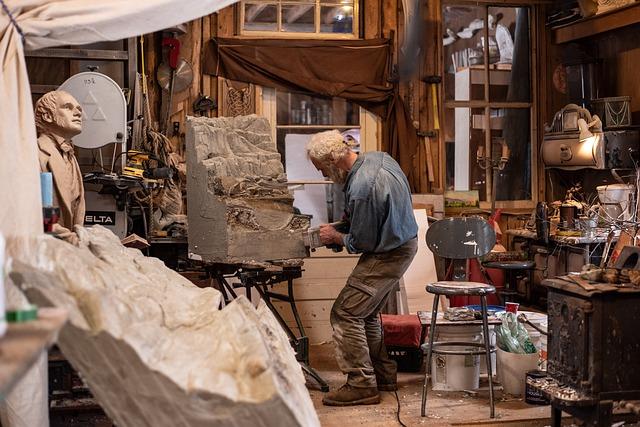
Foley artists are the unsung heroes of cinema, meticulously crafting the auditory elements that breathe life into a film’s world. These skilled artisans employ a range of techniques to ensure that every footstep, rustle of clothing, or creak of a door resonates with authenticity. Foley work is not merely about replication; it’s about enhancing the viewer’s immersion, allowing them to feel the weight of a character’s journey or the tension of a suspenseful scene.
- Layering Sounds: By combining multiple audio elements, Foley artists create complex, textured soundscapes that mimic real-life environments.
- Innovative Tools: Everyday objects become instruments of sound, with artists using everything from celery for bone-cracking to leather gloves for flapping bird wings.
- Syncing with Visuals: Precision is key as Foley artists synchronize their sounds with on-screen actions, ensuring seamless integration.
Through their craft, Foley artists transform silence into a symphony, turning the mundane into the magical, and in doing so, they play an indispensable role in shaping the emotional and narrative depth of a film.
From Silence to Symphony: Tools of the Foley Trade
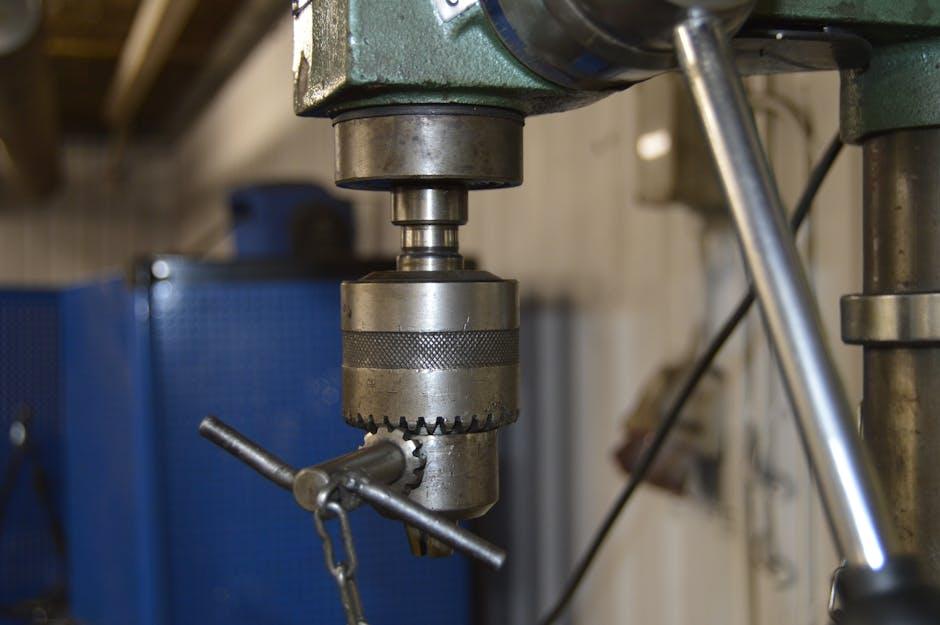
- Microphones: Capturing the subtlest of sounds requires a diverse range of microphones. From shotgun mics for directional precision to contact mics for internal vibrations, each tool serves a unique purpose in bringing texture to the audio landscape.
- Props: Everyday objects transform into soundscaping marvels. A simple pair of gloves can mimic the sound of bird wings, while a bag of cornstarch becomes the crunch of snow underfoot. The Foley artist’s studio is a treasure trove of potential.
- Surfaces: A Foley stage often features an array of surfaces—gravel, sand, wood, metal—each ready to produce the authentic sounds of footsteps in any setting, from bustling city streets to serene forest trails.
- Recording Software: Sophisticated digital audio workstations (DAWs) allow for precise editing and layering of sounds, ensuring every auditory element aligns perfectly with the visual narrative.
In the hands of a skilled Foley artist, these tools become instruments in an orchestra of sound, transforming silence into symphony. Their creative ingenuity ensures that each creak, rustle, and footfall resonates with authenticity, drawing audiences deeper into the cinematic experience.

Harmonizing the Elements: Integrating Foley into Film Narratives
In the realm of filmmaking, the art of Foley serves as the silent architect of immersive soundscapes. Foley artists meticulously craft sounds that breathe life into the narrative, ensuring each auditory element feels as genuine as the visuals. The process involves synchronizing sound effects with on-screen actions, a delicate dance that demands both creativity and precision.
Key to this integration is the layering of sounds to enhance the story’s emotional depth. Consider the subtle rustle of clothing, the crunch of footsteps on gravel, or the soft clink of a glass—each sound meticulously designed to complement the visual storytelling. Foley artists often work closely with directors and sound designers to align their creations with the film’s tone, using techniques such as:
- Custom Sound Libraries: Building unique sound collections tailored to the film’s specific needs.
- Innovative Techniques: Employing everyday objects to mimic complex sounds, adding a touch of realism.
- Seamless Integration: Ensuring sounds blend naturally with the film’s score and dialogue.
Through their artistry, Foley artists help to bridge the gap between the audience and the cinematic world, crafting soundscapes that resonate long after the credits roll.


