
In the dim glow of a theater, as the first frame flickers to life, there’s a magic that transcends the screen—a tactile connection between the audience and the artistry of film. Yet, in an era where pixels replace celluloid, a debate quietly brews: Does digital filmmaking sacrifice the tangible essence of traditional film? As filmmakers swap reels for hard drives, the cinematic landscape is reshaped, leaving purists and innovators to ponder the implications. Join us as we explore this intersection of technology and tradition, examining whether the soul of storytelling is lost or merely transformed in the digital age.
The Texture of Pixels: Exploring the Sensory Shift in Filmmaking
The evolution from analog to digital filmmaking has sparked a vibrant discussion about the sensory experience of cinema. Traditional film, with its tangible reels and grainy texture, offers a visceral connection that many filmmakers and cinephiles cherish. The tactile feel of handling film stock, the anticipation as light seeps through celluloid, and the distinct imperfections—scratches, dust, and all—imbue each frame with a unique character.
In contrast, digital filmmaking introduces a new realm of possibilities. The shift offers unparalleled precision and versatility, allowing creators to manipulate images with ease. Yet, some argue that this transition has left a void, a certain loss of warmth that analog film naturally imparts. Consider the following elements that highlight this shift:
- Resolution and Clarity: Digital provides immaculate detail, often at the expense of the organic texture of film grain.
- Color Manipulation: The digital medium allows for extensive color grading, yet it can sometimes lack the inherent richness of film’s natural hues.
- Instant Playback: While convenient, this removes the anticipation and mystery inherent in waiting for film to develop.
As technology advances, the industry continuously explores ways to bridge these sensory gaps, striving to merge the best of both worlds. The question remains: does the crispness of digital truly outweigh the tangible allure of traditional film?
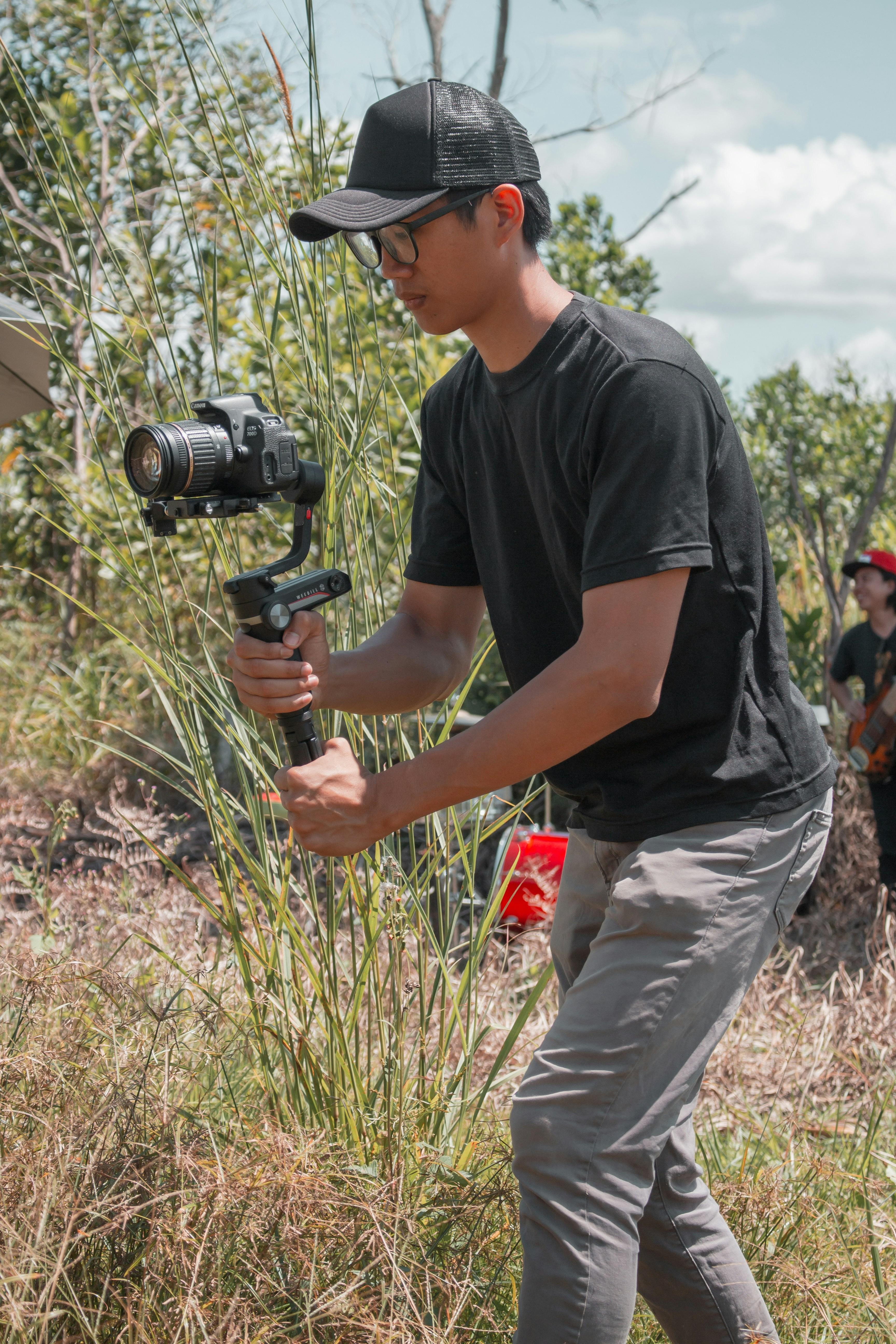
From Grain to Code: Analyzing the Emotional Impact of Digital Versus Film
The debate between digital and traditional film often hinges on the emotional resonance each medium evokes. Film enthusiasts argue that the grain of celluloid adds a layer of authenticity and nostalgia that digital simply can’t replicate. This tactile quality can evoke emotions tied to the very essence of cinema’s history, creating a sensory experience that connects viewers to the past.
- Texture: Film’s grain offers a tactile feel, adding depth and emotion.
- Color Depth: Traditional film often provides richer, more nuanced colors.
- Nostalgia: The analog process brings a sense of timelessness.
Conversely, digital filmmaking offers clarity and precision, allowing for unprecedented creative possibilities. The clean, sharp images can elicit a different emotional response—one that embraces the modern, the new, and the innovative. This shift from grain to code transforms how stories are told, enabling filmmakers to manipulate visuals in ways that traditional film cannot.
- Versatility: Digital offers a wide range of editing options.
- Accessibility: Easier to distribute and share with global audiences.
- Innovation: Allows for groundbreaking visual effects.
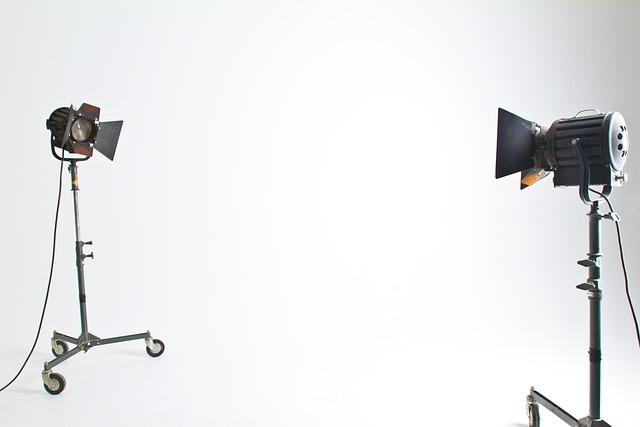
Bridging the Gap: Techniques to Infuse Digital Films with Tangibility
In the realm of digital filmmaking, a common concern is the perceived loss of the tactile essence that traditional film inherently possesses. However, filmmakers can employ a variety of techniques to imbue their digital creations with a sense of tangibility. Practical effects continue to play a pivotal role, offering physical elements that actors can interact with, providing a more immersive experience. These effects, when combined with digital enhancements, create a seamless blend of the real and the virtual.
Additionally, filmmakers can focus on texture and lighting to add depth and realism. By simulating the grain of film or manipulating light to mimic natural settings, digital films can achieve a more tactile feel. Consider the following strategies:
- Color Grading: Emulate the warmth and depth of film stock through meticulous color adjustments.
- Camera Techniques: Use handheld or steady cam shots to capture the organic movement and imperfections found in traditional filmmaking.
- Sound Design: Incorporate ambient sounds and layered audio to create a rich, sensory experience.
By integrating these techniques, digital filmmakers can bridge the gap between the precision of modern technology and the cherished texture of traditional cinema.

Crafting the Future: Recommendations for Maintaining Filmic Depth in a Digital Age
In an era where digital filmmaking reigns supreme, maintaining the filmic depth that once defined the art form requires intentional effort and innovation. To evoke the rich textures and tactile feel of traditional film, filmmakers can explore a blend of techniques and technologies:
- Embrace Grain: Adding digital grain can mimic the organic feel of film stock, providing a nostalgic texture that enhances the visual experience.
- Dynamic Lighting: Leveraging advanced lighting techniques can create depth and contrast, echoing the warmth and complexity of celluloid.
- Color Grading: Thoughtful color correction and grading can imbue digital footage with the nuanced tones characteristic of analog film.
- Practical Effects: Incorporating in-camera effects and practical techniques can ground digital visuals in a more tangible reality.
By integrating these elements, filmmakers can bridge the gap between digital precision and the tactile allure of traditional film, crafting a future where both coexist harmoniously.


