
In the ever-evolving landscape of cinema, the art of storytelling is continually reshaped by the tools at filmmakers’ disposal. Among these tools, practical effects and CGI stand as two titans, each wielding the power to bring imaginative worlds to life. Practical effects, with their tangible, hands-on approach, evoke a sense of authenticity and nostalgia, harkening back to the golden age of film. CGI, on the other hand, offers limitless possibilities, crafting visual spectacles that defy the boundaries of reality. This article embarks on a journey through the intricate dance between these two cinematic forces, exploring how each influences the narrative tapestry of film. As we delve into their impact on storytelling, we aim to uncover the nuances that make practical effects and CGI both distinct and complementary in the realm of visual storytelling.
Crafting Authentic Worlds: The Art of Practical Effects
In the realm of storytelling, practical effects serve as the tangible backbone that grounds fantastical narratives in reality. These effects, crafted with skillful artistry, offer audiences a visceral connection to the story. From the intricate designs of animatronics to the delicate brushstrokes of makeup artistry, practical effects create worlds that feel lived-in and genuine. Craftsmanship is at the heart of this technique, where every detail is meticulously fashioned to serve the narrative.
- Immersion: Practical effects immerse viewers in a tangible world, engaging multiple senses and enhancing emotional investment.
- Realism: The physical presence of effects on set allows actors to interact naturally, fostering authentic performances.
- Timelessness: Unlike CGI, which can quickly become outdated, practical effects maintain their charm and authenticity over time.

The Digital Frontier: How CGI Shapes Modern Narratives
In today’s cinematic landscape, Computer-Generated Imagery (CGI) is a transformative tool that enables filmmakers to craft visually stunning worlds and complex characters. CGI offers unparalleled flexibility, allowing creators to defy the constraints of physical reality and envision scenes that were once deemed impossible. From fantastical creatures to intricate landscapes, CGI broadens the horizons of storytelling by expanding the visual vocabulary available to filmmakers. This digital prowess, however, is not without its challenges, as it often requires a delicate balance between spectacle and substance to ensure that the narrative remains engaging.
Conversely, practical effects anchor stories in a tangible reality, providing a sense of authenticity that resonates deeply with audiences. The tactile nature of practical effects can evoke a visceral response, often grounding fantastical elements in a more relatable context. While CGI can sometimes feel detached, practical effects bring a certain warmth and texture to the screen, fostering a connection that can enhance emotional storytelling. Yet, practical effects are not always feasible for every narrative ambition, often limited by budgetary and logistical constraints. The choice between CGI and practical effects ultimately hinges on the desired impact on the audience, as each method uniquely shapes the way stories are told and experienced.
- Flexibility: CGI offers limitless possibilities for world-building.
- Authenticity: Practical effects provide a tangible connection to reality.
- Emotional Impact: Both methods contribute to storytelling in distinct ways.

Balancing Act: Merging Practical Effects with CGI for Optimal Impact
In the realm of visual storytelling, the fusion of practical effects and CGI can create a harmonious symphony that elevates the narrative. Practical effects bring a tangible authenticity, allowing actors to interact with real-world elements, enhancing their performances and immersing audiences in the story. This tactile realism can be particularly impactful in scenes where physical interaction is crucial.
On the other hand, CGI offers boundless possibilities, enabling filmmakers to create fantastical worlds and creatures that would be impossible to achieve practically. The key to maximizing impact lies in the strategic blending of both techniques. Consider these advantages:
- Enhanced Realism: Practical effects ground the story, while CGI expands its universe.
- Cost Efficiency: CGI can reduce the need for expensive sets and props, but practical effects can cut down on rendering times.
– Artistic Flexibility: Merging both allows directors to choose the best tool for each scene, crafting a visually cohesive experience.
By carefully balancing these elements, filmmakers can craft a compelling visual narrative that resonates with viewers on multiple levels.
Guiding the Story: Strategic Use of Effects in Filmmaking
In the realm of filmmaking, effects serve as powerful tools that can either enhance or overshadow the narrative. Practical effects offer a tangible authenticity that can ground a story in reality. They bring a visceral quality to scenes, allowing actors to interact with their environment in a genuine manner. This can lead to more compelling performances and a stronger emotional connection with the audience. Consider these benefits:
- Realistic textures and lighting
- Immediate feedback for actors
- Enhanced physicality in action sequences
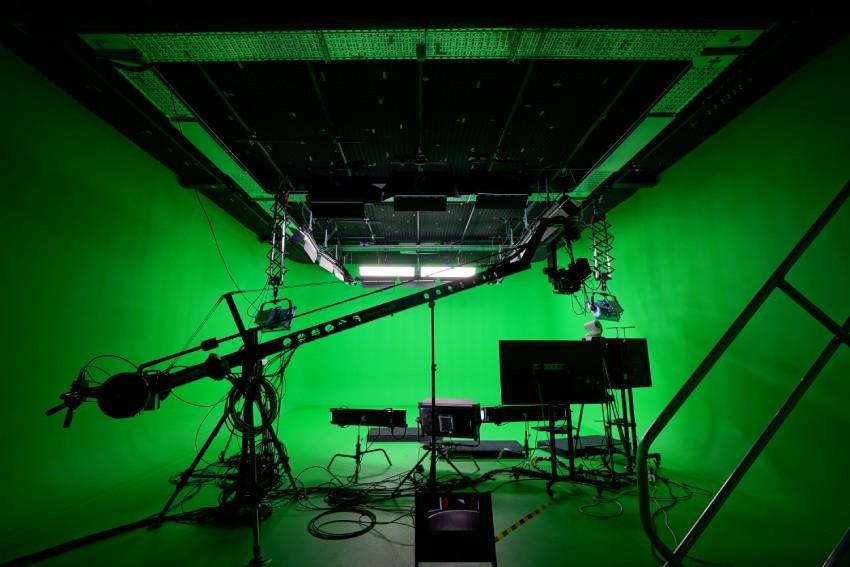
On the other hand, CGI provides filmmakers with unparalleled creative freedom. It enables the construction of entire worlds and creatures that would be impossible to achieve with practical methods alone. This digital wizardry can expand the boundaries of storytelling, offering limitless possibilities for visual expression. The advantages include:
- Flexibility in post-production
- Cost-effectiveness for large-scale scenes
- Capability to depict the fantastical and surreal
Strategically blending both techniques can result in a harmonious storytelling experience, leveraging the strengths of each to create immersive and emotionally resonant narratives.


