
In an era where digital wizardry often takes center stage, the art of crafting breathtaking action sequences without the aid of CGI remains a testament to the ingenuity and skill of filmmakers. These cinematic artisans rely on a blend of choreography, practical effects, and camera wizardry to immerse audiences in heart-pounding moments of adrenaline and suspense. As the lens captures each meticulously planned stunt and every precisely timed explosion, viewers are transported into a world where the magic of moviemaking unfolds in real-time. This exploration delves into the techniques and creativity behind these seamless action sequences, celebrating the timeless craftsmanship that continues to captivate audiences worldwide. Choreography: The Dance of Precision and Timing”>
Crafting Choreography: The Dance of Precision and Timing
In the world of filmmaking, the creation of jaw-dropping action sequences often relies on the meticulous art of choreography. This is a dance of precision, where every move is calculated, every step timed to perfection. Choreographers work closely with directors and stunt coordinators to design sequences that are both visually stunning and physically achievable. The process involves:
- Mapping Out Movements: Detailed storyboards and rehearsals ensure each movement is captured from the perfect angle.
- Timing and Rhythm: Synchronizing the actions with the camera movements to maintain fluidity and continuity.
- Safety First: Prioritizing the safety of performers through careful planning and use of protective gear.
Every leap, punch, and fall is crafted with an artist’s eye, creating an illusion of spontaneity while adhering to a rigorous structure. The beauty of this craft lies in its ability to convey narrative and emotion through movement, turning complex sequences into a seamless visual symphony.
Harnessing Practical Effects: Breathing Life into Action
In the realm of action filmmaking, practical effects serve as the backbone for crafting authentic, visceral experiences. Directors often turn to these tangible techniques to evoke a sense of realism that digital effects can sometimes lack. By employing skilled stunt coordinators, pyrotechnic experts, and innovative camera work, filmmakers can create heart-pounding sequences that captivate audiences.
- Stunt Work: Expert stunt performers execute daring maneuvers, from high-speed chases to gravity-defying leaps, adding a palpable energy to each scene.
- Pyrotechnics: Controlled explosions and fire effects bring a raw intensity, transforming ordinary settings into dynamic battlefields.
- Practical Props: Using real vehicles and props can enhance the tactile feel of a scene, grounding the action in a believable world.
- In-Camera Effects: Techniques like slow motion and unique angles help emphasize the physicality of each moment, enhancing the audience’s connection.
By integrating these elements, filmmakers not only honor the traditional craft of movie-making but also engage viewers with a genuine, adrenaline-fueled experience.
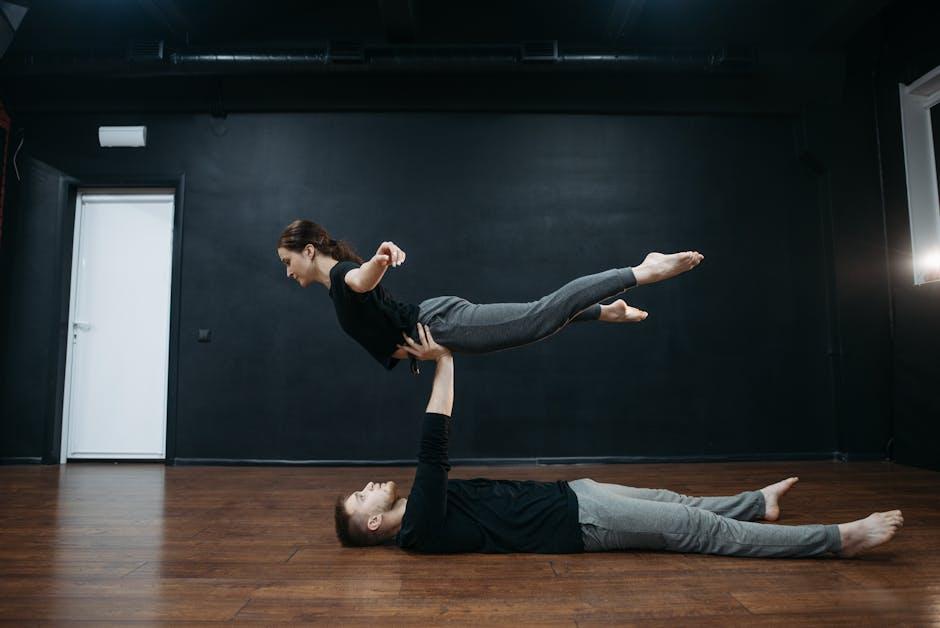
The Art of Stunt Work: Elevating Realism with Skill
In a world where digital effects often steal the spotlight, the raw, tangible magic of stunt work breathes authenticity into action scenes. Stunt professionals, with their exceptional agility and precision, craft breathtaking sequences that keep audiences on the edge of their seats. Their work is a blend of art and athleticism, demanding not just physical prowess but also a deep understanding of cinematography. These experts meticulously plan and execute each move, ensuring that every punch, fall, and explosion looks both real and safe.
- Choreography: Like a dance, each action sequence is carefully choreographed, balancing safety with spectacle.
- Practical Effects: Real explosions, collapsible sets, and practical rigs create a visceral experience that digital effects often lack.
- Rigging and Harnesses: These tools allow performers to defy gravity, executing flips and high-flying maneuvers with precision.
Stunt work transforms scripts into visual poetry, elevating the realism of films without relying on computer-generated imagery. The dedication and creativity of these artists ensure that the action feels authentic, leaving a lasting impression on viewers.
 Camera Techniques: Capturing Motion with Mastery”>
Camera Techniques: Capturing Motion with Mastery
In the world of filmmaking, capturing motion without the crutch of CGI demands a deep understanding of camera techniques that bring energy and authenticity to action sequences. Dynamic camera movements play a crucial role in this process. Techniques such as the handheld shot inject a raw, immersive feel, placing viewers in the heart of the action. The dolly zoom, often used to create tension, can add layers of complexity to a scene, making the viewer feel the same rush of adrenaline as the characters.
- Tracking Shots: Follow the subject smoothly, maintaining a connection with the audience.
- Slow Motion: Highlight crucial moments, adding drama and emphasizing the physicality of the action.
- Steadicam: Offers fluid motion, providing a polished look without sacrificing the scene’s intensity.
- Whip Pan: Transition between scenes with speed and precision, keeping the momentum alive.
By blending these techniques, filmmakers can craft seamless sequences that captivate audiences, all while keeping the action grounded and visceral.


