
In the vast expanse of cinema, where imagination defies gravity, few films have captured the void of space with such breathtaking authenticity as Alfonso Cuarón‘s “Gravity.” This cinematic marvel, set against the infinite backdrop of the cosmos, invites viewers to drift alongside its characters in a weightless dance of suspense and survival. But how did the filmmakers recreate the boundless silence and zero-gravity environment with such convincing detail? Delve into the intricate world of visual effects, where technology and artistry converge to simulate the unsimulated, bringing the cold, captivating allure of space to the silver screen.
Crafting Weightlessness: The Art of Zero-G Effects
In the mesmerizing film “Gravity,” the illusion of weightlessness is achieved through a masterful blend of visual effects that transport audiences into the vast expanse of space. This cinematic feat was accomplished by an innovative mix of techniques, pushing the boundaries of technology and creativity. To simulate the zero-gravity environment, the filmmakers employed a combination of CGI, wirework, and lightbox technology, each meticulously crafted to create the seamless experience of floating through the cosmos.
- CGI Magic: Computer-generated imagery played a crucial role, with digital artists painstakingly animating each movement to mimic the slow, graceful drift of astronauts in space.
- Wirework Precision: Actors were suspended on wires, allowing them to move fluidly in all directions, creating the illusion of weightlessness while maintaining control over their movements.
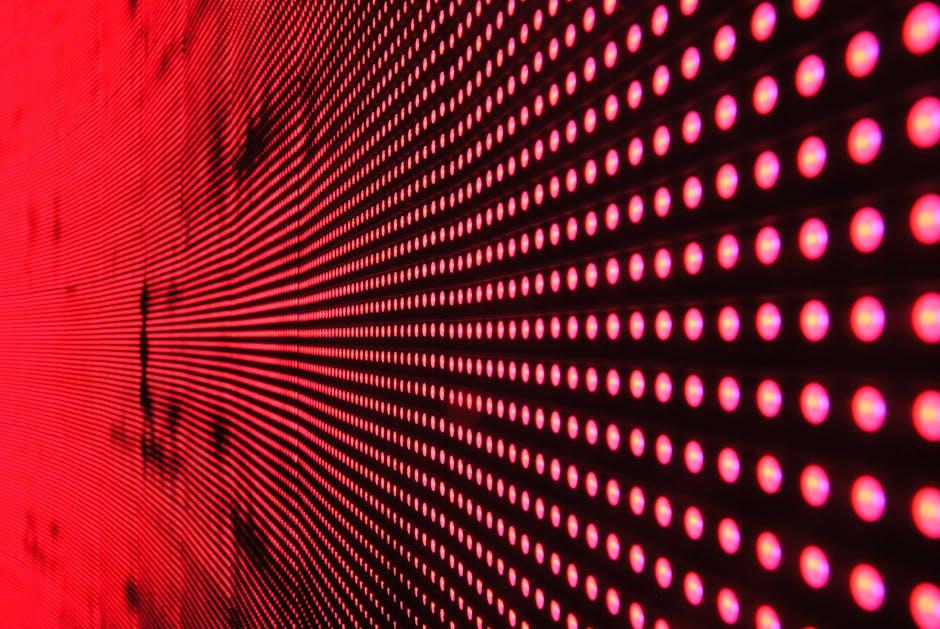
- Lightbox Technology: A revolutionary lightbox system enveloped actors in a 360-degree LED environment, simulating the shifting light and shadows of space, enhancing the authenticity of their surroundings.
The result is a breathtaking visual journey that captivates viewers, making them believe they are truly among the stars.

Building Space: Digital Set Design and Realism
In the film “Gravity,” the illusion of space was crafted with meticulous attention to detail through the use of advanced digital set design. Visual effects artists created a hyper-realistic environment that allowed viewers to feel as though they were floating alongside the characters. This was achieved through a combination of techniques, including:
- LED Light Boxes: These were used to simulate the harsh, shifting light of space, providing actors with a realistic visual reference.
- Wire Rigs and Harnesses: Carefully designed to mimic the zero-gravity environment, allowing for natural movement.
- Computer-Generated Imagery (CGI): Seamlessly integrated to create the vast expanse of space, complete with distant stars and planets.
To achieve this level of realism, collaboration between artists, engineers, and filmmakers was crucial. By leveraging cutting-edge technology, the team was able to transcend traditional boundaries of filmmaking, crafting a digital set that was as immersive as it was convincing. The result was an experience that not only looked authentic but also felt tangible, making the audience believe in the infinite possibilities of space.

Lighting the Cosmos: Simulating Sunlight in Space
In crafting the visual marvel of Gravity, one of the most intriguing challenges was recreating the dance of sunlight across the vastness of space. The filmmakers employed advanced visual effects techniques to mimic how light behaves beyond Earth’s atmosphere. Without the diffusing effects of air, light in space is both stark and brilliant, creating a unique interplay of shadows and highlights. This required a meticulous approach to lighting design, ensuring that every glint and shadow appeared both realistic and breathtaking.
To achieve this, the team utilized a combination of cutting-edge technology and creative ingenuity:
- LED Lightboxes: These were used to create dynamic lighting environments, allowing for precise control over intensity and direction.
- Virtual Simulations: Advanced software simulated how sunlight would interact with various surfaces in zero gravity.
- Custom Algorithms: Developed to replicate the harsh contrasts and subtle gradients found in space lighting.
By blending these elements, the film successfully transported audiences into the cosmos, offering a visually stunning experience that felt both authentic and awe-inspiring.
Harnessing Technology: Tools and Techniques for Astral Authenticity
In the making of Gravity, filmmakers harnessed cutting-edge technology to craft a visually stunning depiction of space that resonated with authenticity. At the heart of this achievement were groundbreaking visual effects that seamlessly merged reality with imagination. The team utilized an intricate combination of computer-generated imagery (CGI) and practical effects, allowing audiences to experience the vastness and isolation of space as never before.
- Light Box: A custom-built LED rig enveloped actors in a 360-degree environment, simulating the shifting light and shadows of space.
- RoboCam: This robotic camera system delivered precise movements, creating a sense of weightlessness essential for zero-gravity scenes.
- Previsualization: Detailed digital storyboards guided the complex choreography of visual effects, ensuring every shot aligned with the film’s vision.
By blending these tools with meticulous attention to detail, Gravity set a new standard for how technology can be leveraged to achieve astral authenticity in cinema.


