
In the world of filmmaking, where every frame is a canvas and each scene a narrative tapestry, the choice of lens becomes the painter’s brush. It’s a decision that transcends mere technicality, diving into the heart of storytelling itself. From the sweeping vistas of epic landscapes to the intimate close-ups that capture a character’s soul, lens choice is the unseen force that shapes the viewer’s experience. This article delves into the pivotal role lenses play in filmmaking, exploring how their subtle influence crafts the mood, focus, and emotional depth of a scene. Join us as we unravel the artistry behind the lens and discover how it transforms vision into visual poetry.
Crafting the Cinematic Vision: How Different Lenses Influence Mood
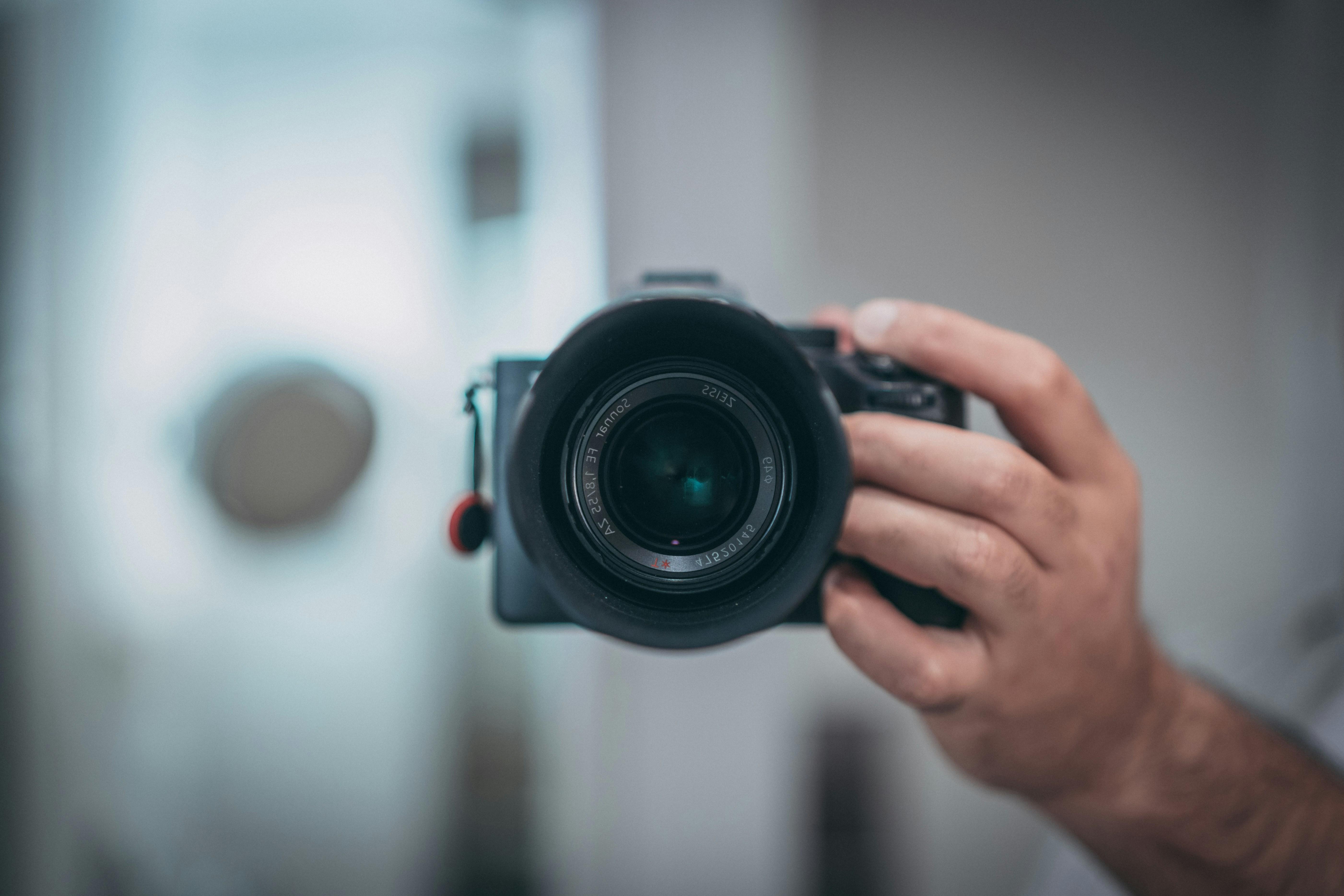
In filmmaking, the choice of lens is akin to a painter selecting their brush. Each lens offers a unique perspective, influencing the mood and emotion of a scene. Wide-angle lenses can create a sense of openness and vulnerability, allowing the viewer to absorb the full scope of a setting. They are often used to establish context, immersing the audience in the world of the characters. Conversely, telephoto lenses compress the background, bringing subjects into sharp focus and heightening the emotional intensity. This compression can evoke feelings of intimacy or tension, drawing viewers closer to the narrative.
- Wide-angle lenses: Evoke expansiveness, context, and vulnerability.
- Telephoto lenses: Enhance intimacy, focus, and emotional tension.
- Macro lenses: Capture intricate details, emphasizing texture and nuance.
- Fisheye lenses: Distort reality, adding surreal or comedic effects.
By carefully selecting lenses, filmmakers craft a visual language that speaks volumes. Each lens choice becomes a deliberate decision, shaping how the story is told and how the audience feels. The right lens can transform a mundane scene into a masterpiece, leaving a lasting impression on viewers.
Framing the Story: Choosing the Right Lens for Emotional Impact
In filmmaking, the choice of lens is not just a technical decision but a powerful storytelling tool. Wide-angle lenses can capture expansive landscapes, conveying a sense of openness or isolation, while telephoto lenses compress space, creating intimacy and tension. The emotional weight of a scene can shift dramatically with these choices, guiding the audience’s perception and emotional response.
- Wide-angle: Enhances depth and context, often used to establish settings.
- Telephoto: Focuses on details, highlighting emotion and character relationships.
- Macro: Captures intricate details, immersing viewers in the subtleties of a moment.
By selecting the right lens, filmmakers can subtly influence the narrative, drawing viewers closer to the characters’ experiences or distancing them to provoke reflection. This choice becomes an invisible hand, guiding the audience through the emotional landscape of the story.
Depth and Perspective: Mastering the Art of Lens Selection
In the realm of filmmaking, the choice of lens is pivotal in crafting the depth and perspective of a scene. Each lens offers a unique way to tell a story, influencing how the audience perceives the narrative. A wide-angle lens can create an expansive view, drawing viewers into the vastness of a landscape, while a telephoto lens compresses space, bringing distant elements closer and emphasizing intimacy or tension.
- Wide-Angle Lenses: Enhance depth, ideal for establishing shots.
- Standard Lenses: Offer a natural perspective, suitable for most scenes.
- Telephoto Lenses: Compress space, perfect for close-ups and isolating subjects.
Mastering lens selection means understanding how these choices affect storytelling. It’s not just about technical specifications; it’s about conveying emotion and guiding the audience’s gaze. Whether it’s the sweeping grandeur of a historical epic or the intimate details of a personal drama, the right lens can transform a filmmaker’s vision into a compelling visual narrative.
Technical Tips for Filmmakers: Essential Lenses for Every Scene
In the world of filmmaking, the lens is your paintbrush, allowing you to craft the visual story with precision and flair. Choosing the right lens is crucial as it directly influences the audience’s perception and emotional connection to the scene. Wide-angle lenses are ideal for capturing expansive landscapes or crowded urban environments, offering a broad view that immerses viewers in the setting. Conversely, telephoto lenses are perfect for isolating subjects, creating an intimate focus that can heighten emotional tension or emphasize specific details.
- Prime Lenses: Known for their sharpness and speed, these are perfect for low-light scenes and offer a consistent look throughout a film.
- Zoom Lenses: Provide versatility on set, allowing filmmakers to quickly adjust framing without changing position, ideal for dynamic scenes.
- Macro Lenses: Essential for capturing intricate details and textures, bringing the smallest elements of your story to life.
Each lens type serves a unique purpose, shaping the narrative by controlling depth, perspective, and focus. A well-chosen lens can transform an ordinary scene into something extraordinary, making it a vital tool in any filmmaker’s arsenal.


