
In the dim glow of a film projector, the world once witnessed stories unfold through the meticulous craft of celluloid. Today, however, the scene is set for a new protagonist: the digital camera. This unassuming yet transformative tool has rewritten the script for independent filmmakers, offering unprecedented access to creativity and innovation. As lenses click and memory cards fill, digital cameras have democratized the filmmaking process, enabling visionaries to capture their narratives with ease and precision. This article delves into the profound impact of digital cameras on independent filmmaking, exploring how they have reshaped the landscape of storytelling, one pixel at a time.
Revolutionizing the Lens: How Digital Cameras Transformed Indie Film
With the advent of digital cameras, independent filmmakers have been able to break free from the financial and technical constraints that once bound them. Digital technology has introduced a level of flexibility and creativity that was previously unimaginable. These cameras are not only more affordable than traditional film cameras, but they also offer features like real-time playback, which allows directors to review and adjust scenes on the fly. The ability to shoot in a variety of formats and resolutions gives indie creators the freedom to experiment with different visual styles without the prohibitive costs of film stock and processing.
Moreover, digital cameras have democratized the filmmaking process, enabling a new generation of storytellers to bring their visions to life. Key benefits include:
- Cost Efficiency: Lower production costs mean more funds can be allocated to other aspects of filmmaking, such as script development and post-production.
- Portability: Lightweight and compact, digital cameras allow for shooting in diverse locations with minimal crew.
- Accessibility: Aspiring filmmakers can experiment and learn without the steep costs associated with traditional film.
- Post-Production Flexibility: Digital formats simplify editing, color correction, and special effects, allowing for a seamless post-production process.
From Concept to Creation: Empowering Filmmakers with Accessible Technology
In recent years, the advent of digital cameras has revolutionized the landscape of independent filmmaking. With the ability to shoot in high-definition and even 4K at a fraction of the cost of traditional film cameras, filmmakers now have the tools to bring their visions to life without the prohibitive expenses of the past. This democratization of technology means that storytellers from diverse backgrounds can experiment and innovate, creating films that might never have been made otherwise.
Key benefits of digital cameras for independent filmmakers include:
- Affordability: Cutting down on equipment costs enables filmmakers to allocate resources to other areas like script development and post-production.
- Portability: Compact designs allow for shooting in versatile locations, enhancing creative possibilities.
- Ease of Use: Intuitive interfaces and automation features make it accessible even for beginners.
- Instant Feedback: Immediate playback options provide real-time insight, streamlining the editing process.
These innovations empower filmmakers to transform their concepts into creations, bridging the gap between imagination and reality.
Crafting Cinematic Masterpieces on a Budget: Tips for Indie Filmmakers
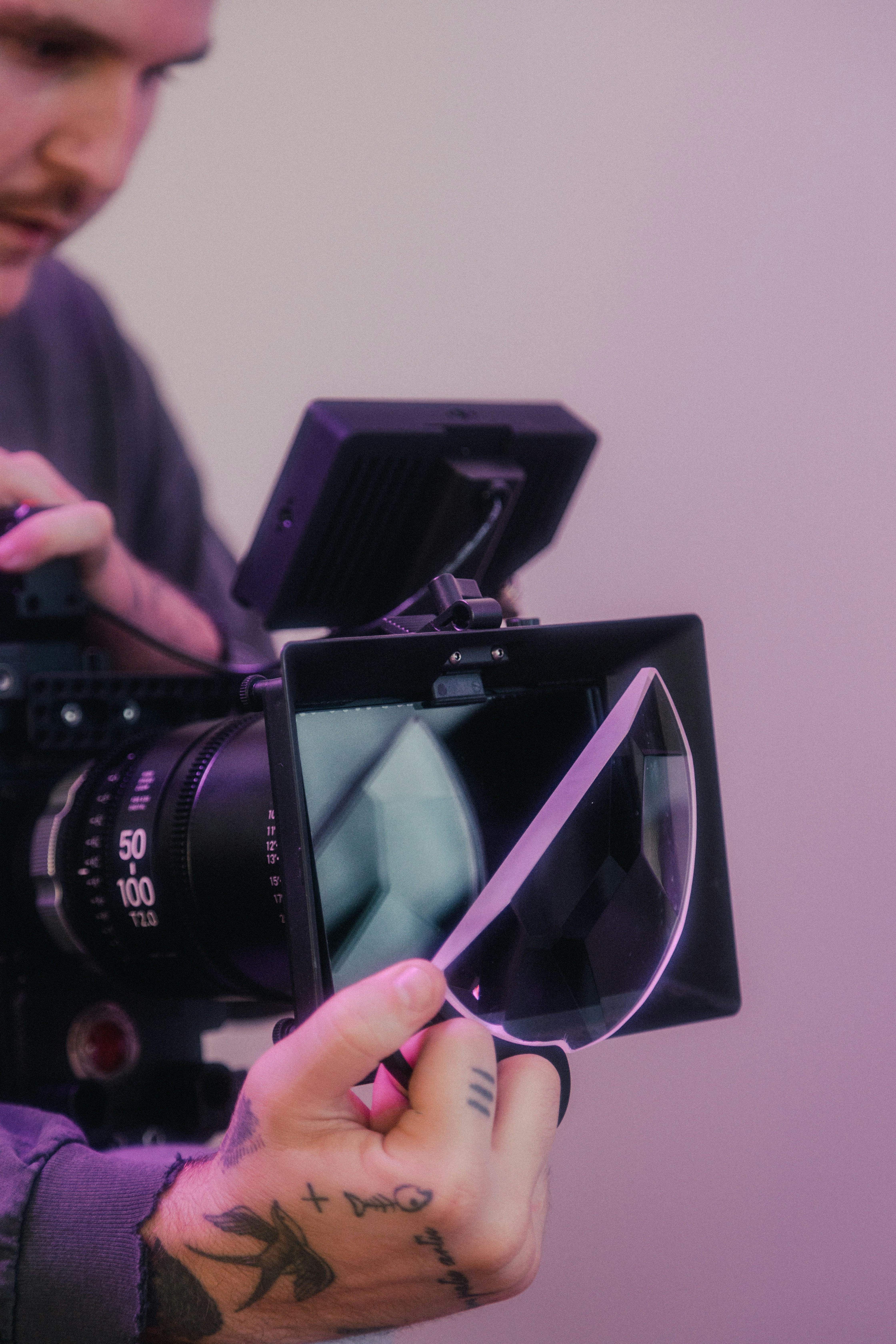
In the realm of independent filmmaking, digital cameras have become a game-changer, enabling filmmakers to produce high-quality films without the hefty price tag. The affordability and accessibility of digital technology have democratized the industry, opening doors for creative minds with limited resources. Digital cameras offer versatility and ease of use, allowing filmmakers to experiment with different styles and techniques without the constraints of film stock costs.
- Cost-Effectiveness: Digital cameras reduce production costs, allowing more budget to be allocated to other critical areas like casting and location.
- Flexibility in Post-Production: The ability to shoot in various formats and resolutions provides filmmakers with greater control during editing.
- Ease of Distribution: Digital films can be easily shared and distributed online, reaching a global audience without traditional barriers.
With these tools, indie filmmakers can focus on storytelling and innovation, transforming their visions into cinematic masterpieces on a budget. Embracing digital technology not only levels the playing field but also inspires a new wave of creativity in the film industry.

Navigating the Digital Era: Balancing Innovation with Authentic Storytelling
In the fast-paced world of independent filmmaking, digital cameras have emerged as a revolutionary tool, enabling filmmakers to capture their visions with unprecedented ease and flexibility. The democratization of technology has paved the way for a diverse range of voices to share their stories, unhindered by the constraints of traditional film production. Yet, with these advancements comes the challenge of maintaining authenticity and depth in storytelling.
To strike a harmonious balance between technological innovation and genuine narrative expression, filmmakers can consider the following approaches:
- Embrace Limitations: Sometimes, less is more. Using the limitations of digital cameras creatively can enhance storytelling by focusing on core themes and emotions.
- Authentic Engagement: Engage with real-world subjects and environments to ground stories in authenticity, making them resonate more deeply with audiences.
- Innovative Techniques: Experiment with new filming techniques, but always with a focus on how they serve the story rather than overshadow it.
By consciously integrating these strategies, independent filmmakers can harness the power of digital cameras to create compelling, authentic stories that captivate and inspire.


